


The Challenge of a Single Number
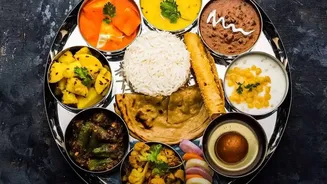
India’s sheer diversity applies as much to its food costs as its culture. A vegetarian thali that costs ₹100 in a small town could easily be ₹350 in a Mumbai mall. Therefore, a single daily budget is unrealistic. The true cost depends on three key factors:
where you live (metro vs. non-metro), whether you cook at home or eat out, and your personal lifestyle. Recent analyses show that even the cost of a basic home-cooked vegetarian thali has risen, reaching an average of about ₹31 in September 2026 due to inflation in prices of staples like onions and rice. This highlights that while home cooking is cheaper, it isn't immune to market fluctuations.
Cooking at Home: The Most Budget-Friendly Path
Cooking your own meals is, by far, the most economical way to eat well. For a single person, a monthly grocery bill for a completely vegetarian diet can range from ₹3,000 to ₹5,000. This covers staples like rice, atta (wheat flour), a variety of dals (lentils), seasonal vegetables, spices, and cooking oil. Based on these figures, a daily budget for three nutritious, home-cooked meals can comfortably fall between ₹120 and ₹200. This approach not only saves money but also gives you complete control over hygiene and nutrition, allowing you to build meals around inexpensive yet protein-rich foods like dals, legumes, and soya.
Eating Out: A Spectrum of Costs
For those who prefer to eat out, the budget expands significantly. The cost spectrum is wide. You can get a simple, filling breakfast like idli or parathas for under ₹150. A vegetarian thali at a local, no-frills eatery can cost between ₹150 and ₹250. Moving up to mid-range casual dining restaurants, a meal for one can set you back ₹300 to ₹500. If you primarily eat all three meals out at decent local restaurants, you should budget between ₹500 and ₹800 per day, especially in major cities like Delhi, Mumbai, or Bengaluru.
The Middle Ground: Tiffin and Meal Services
Tiffin or 'dabba' services offer a popular compromise between home cooking and eating out. These services deliver home-style meals, usually lunch and/or dinner, to your home or office. A standard vegetarian tiffin meal typically costs between ₹80 and ₹120. A monthly subscription for two meals a day often ranges from ₹4,000 to ₹6,000, which translates to a daily cost of approximately ₹150 to ₹220. This option is particularly popular among students and working professionals for its convenience and affordability compared to restaurants.
City Tiers Make a Big Difference
Your location is perhaps the single biggest variable. Food expenses in a Tier-1 city like Mumbai or Delhi can be 30-50% higher than in a Tier-2 or Tier-3 city like Lucknow or Jaipur. A meal that costs ₹150 in a smaller city could easily be ₹250 in a major metro. This applies to everything from restaurant prices to the cost of local vegetables. When planning your budget, it's crucial to adjust your expectations based on the city's general cost of living.
Three Sample Daily Budgets
To put it all together, here are three sample daily budgets for a single vegetarian person in India:The Frugal Home-Cook (₹150 - ₹250 per day): This person cooks all their meals, buys seasonal vegetables, relies on staples like dal and rice, and rarely eats out. Their budget primarily consists of grocery costs, divided on a daily basis.The Hybrid Eater (₹300 - ₹500 per day): This individual might cook one meal at home (like breakfast), use a tiffin service for lunch, and eat dinner out at a local eatery a few times a week. This blends affordability with convenience.The Convenience Seeker (₹600 - ₹900+ per day): This person eats most of their meals at mid-range restaurants or relies heavily on food delivery apps. This budget reflects the higher cost of convenience and service in urban areas.