





Beyond Beauty: What Are Ecosystem Services?
Ecosystem services are the diverse benefits that humans freely gain from the natural environment and from properly-functioning ecosystems. These are often silent and taken for granted, but they underpin our economies and well-being. They are broadly grouped
into four types. Provisioning services are the direct products we get, like fresh water, food, and timber. Regulating services are the benefits from natural processes, such as climate regulation, flood control by wetlands, and pollination of crops. Cultural services include the non-material benefits like recreation, tourism, and spiritual enrichment. Finally, supporting services, like soil formation and nutrient cycling, are necessary for all other services to function.
Kerala's Priceless Natural Capital
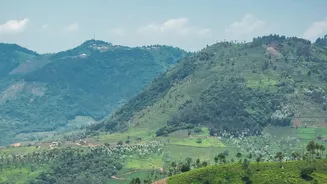
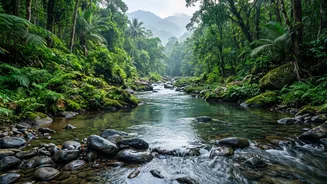
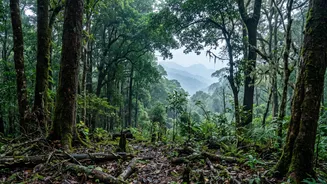
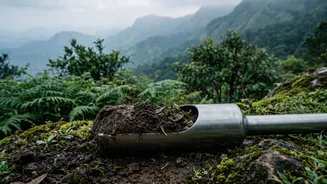
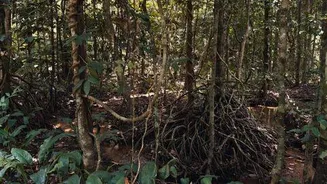
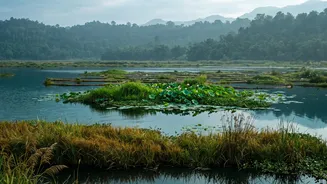
Kerala is uniquely blessed with a range of ecosystems that provide critical services. The Western Ghats, a UNESCO World Heritage site, act as the state's primary water tower, influencing the monsoon and feeding its 44 rivers. These forests and mountains regulate water flow, prevent soil erosion, and are a global biodiversity hotspot, harbouring thousands of plant and animal species, many of them endemic. Along the coast, the intricate network of backwaters and wetlands, like the Vembanad and Kole systems, act as natural sponges, absorbing floodwaters and recharging groundwater. Mangrove forests protect the coastline from storm surges and erosion while serving as vital nurseries for fish, supporting local livelihoods.
The High Cost of Neglect
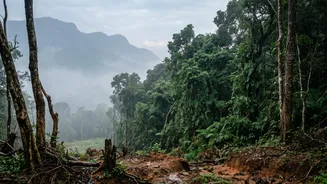
When these natural services are ignored in planning and development, the consequences can be catastrophic. The devastating floods of 2018 served as a grim reminder of this reality. Unchecked urbanization, deforestation, the filling of wetlands, and improper land use weakened the landscape's natural ability to cope with extreme rainfall. The event, which affected over five million people and caused immense economic damage, was exacerbated by the compromised state of Kerala's natural flood defences. Continued pressures from population density, pollution, and climate change threaten to further degrade these vital systems, leading to more frequent and intense disasters, loss of livelihoods, and threats to water and food security.
Putting a Value on Nature
This is why assessing ecosystem services is so critical. It involves identifying and, where possible, quantifying the economic and social value of these natural benefits. Doing so transforms the environment from something seen as an obstacle to development into a crucial asset on the state's balance sheet. When the flood mitigation value of a wetland is calculated in crores, or the contribution of forests to clean water is clearly demonstrated, it provides a powerful economic argument for conservation. This data allows policymakers to make more informed decisions, weigh the true costs of environmental degradation against short-term gains, and design smarter, more resilient infrastructure.
A Path Towards a Resilient Future
Assessing ecosystem services is not merely an academic exercise; it is a practical tool for survival and prosperity. It enables the creation of innovative policies like 'Payments for Ecosystem Services' (PES), where communities or landowners who protect natural resources are compensated. Recognizing the urgency, the Kerala State Biodiversity Board has initiated a pioneering 'Red List Assessment of Ecosystems' to identify and map out at-risk habitats. By integrating this scientific understanding into all levels of governance—from local panchayats to state-level planning—Kerala can move from a reactive, disaster-response mode to a proactive strategy of building long-term ecological and economic resilience. This involves protecting and restoring ecosystems to work alongside engineered solutions, ensuring a safer and more stable future for all.