





A Healthier Crunch in Every Bite
The primary driver behind this trend is undeniable: health. As awareness about lifestyle diseases and the effects of high-fat diets grows, Indian families are actively seeking ways to make their traditional foods healthier. The air fryer, which uses rapidly
circulating hot air to cook food, presents a compelling solution. It promises the crispiness of deep-frying with significantly less oil—sometimes up to 80% less. This reduction in fat is a major draw for those looking to manage weight and reduce the risk of cardiovascular issues without giving up the foods they love. This shift fits into a broader trend of 'conscious eating' where consumers are paying more attention to ingredients and cooking methods.
Crunch Without Compromise? The Taste Test
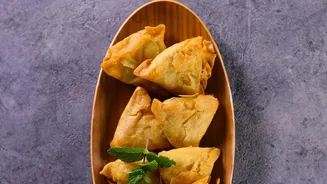
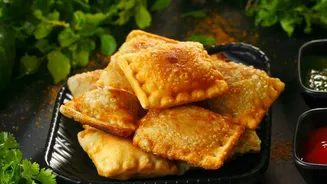
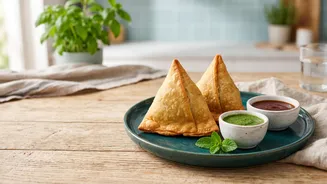
But does an air-fried samosa taste as good as the real thing? For many, the answer is a resounding 'yes'. While the texture might be slightly different—often described as closer to baked than deep-fried—the appliance does an admirable job of creating a golden, crispy exterior. The magic lies in achieving that satisfying crunch while the filling remains perfectly cooked and flavourful. It also reduces the formation of potentially harmful compounds like acrylamide that can occur during high-temperature deep-frying. While purists may argue that nothing can replace the richness of a deep-fried snack, for many families, the small trade-off in taste is well worth the significant health benefits.
From Samosas to Chakli: A Versatile Kitchen Tool
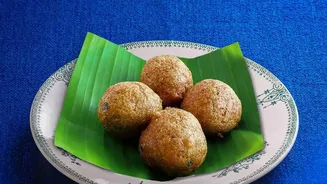
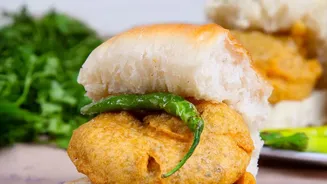
The trend goes far beyond just samosas. Indian home cooks are creatively adapting a vast array of regional snacks for the air fryer. Everything from onion pakoras and aloo tikkis to bread rolls and moong dal vadas are being successfully cooked in this appliance. The versatility extends to snacks like mathri, chakli (murukku), and even reheating papads to crispy perfection. This adaptability is key to the air fryer's growing popularity. It's not just a single-use gadget but a tool that can be integrated into the daily rhythm of an Indian kitchen, capable of handling everything from a quick evening snack to party appetisers.
Tradition Meets Technology
The adoption of the air fryer in India represents a fascinating intersection of tradition and modern technology. It reflects a desire to hold onto cherished culinary traditions—the comfort of a hot snack on a rainy day—while embracing contemporary wellness values. The Indian air fryer market is one of the fastest-growing in the world, fueled by increasing disposable incomes, urbanization, and this very focus on healthier living. Brands have responded with a wide range of models, from budget-friendly options to high-capacity units designed for larger families, making the technology accessible across different demographics. This isn't about replacing the traditional kadai, but supplementing it, offering a guilt-free option for everyday indulgence.
The Limits of a 'Healthy' Gadget
It's important, however, to maintain perspective. While air-frying is undoubtedly a healthier cooking method than deep-frying, it doesn't magically turn an indulgent snack into a health food. A samosa, even when air-fried, is still a treat to be enjoyed in moderation. Some dishes, particularly those with very wet batters like traditional pakoras, can be challenging to make in an air fryer without adjusting the recipe to be thicker. The key is understanding what the appliance does best: reducing oil and calories in foods that would otherwise be deep-fried. It’s a tool for harm reduction, not a license to eat unlimited quantities of fried snacks.