







From Parks to Pavement
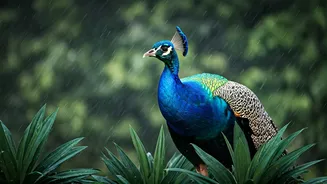
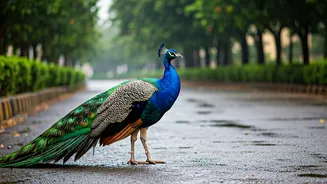
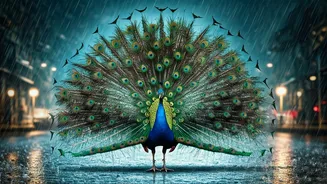
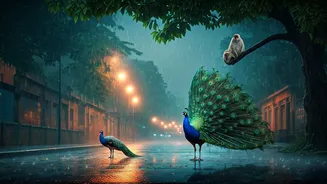
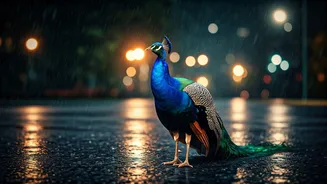
In recent days, social media has been flooded with extraordinary videos from Mumbai. A peacock and a peahen were seen casually strolling along the bustling Pedder Road, seemingly unfazed by the city's relentless pace. [5, 6] Another clip showed a peacock perched
majestically on a balcony railing, its vibrant plumage a stark contrast against the concrete high-rises. [4, 7] These sightings, reported on June 24 shortly after the monsoon's arrival, captivated residents who stopped to capture the surreal moments on their phones. [5] While surprising, many locals suggested a logical origin: the birds likely wandered down from nearby green pockets like Malabar Hill and the quiet expanses of Doongerwadi, also known as the Tower of Silence, which are known to host a peacock population. [4, 6]
The Monsoon Mating Dance
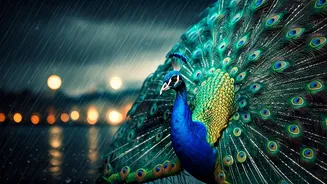
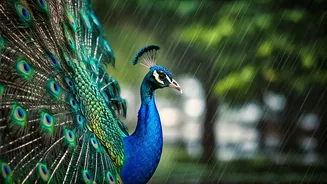
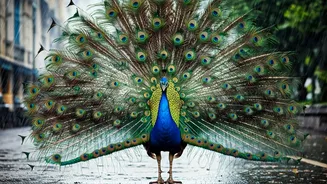
So why now? The connection between peacocks and the monsoon is more than just a poetic trope; it's rooted in biology. The rainy season is the breeding season for Indian peafowl. [17] It is a time of courtship, where males, or peacocks, perform their famous dance—fanning their magnificent tails and rattling the feathers to attract a mate. [2, 10] This primal urge, which coincides with the arrival of the rains, makes them more active and visible. [13, 15] The folklore that peacocks dance to call the rain is a classic mix-up of correlation and causation; in reality, the rains trigger their instinct to put on a show and find a partner. [13]
Shrinking Jungles, Sprawling Cities
While the monsoon provides the immediate trigger, the deeper reason for these urban appearances is the relentless expansion of our cities. As human settlements grow, natural habitats shrink, pushing wildlife into closer contact with us. [12, 19] India, with its high population density, is a hotspot for these interactions, which range from peaceful co-existence to conflict. [12, 16] Animals that once had vast forests to roam are now finding themselves navigating our world. The sight of a peacock on a city road is a vivid illustration of this reality. These birds are not just visiting; they are often residents of the shrinking green patches—parks, university campuses, and old groves—that exist within the urban sprawl. [14] Their increased visibility is a sign of their adaptation, but also a symptom of the immense pressure on their natural homes.
A Beautiful, Complicated Coexistence
The public reaction to the Mumbai peacock sightings has been one of overwhelming delight. [4, 9] Social media users called it a “beautiful sight” and a reminder that “Mumbai never fails to surprise.” [6] This positive response is crucial for fostering coexistence. However, the story of urban wildlife isn't always so charming. In many parts of India, habitat loss leads to more fraught interactions, such as elephants raiding crops or leopards preying on livestock. [12, 23] The peacock, which are omnivorous and feed on everything from grains to insects and small reptiles, are generally seen as harmless, beautiful additions to the landscape rather than a threat. [17] These sightings serve as a gentle, yet potent, reminder of the wildlife that lives among us and our role in ensuring that shared spaces can be safe for all inhabitants.
What to Do When Nature Appears
Seeing a national bird on your morning commute is a rare gift, and the best way to appreciate it is from a respectful distance. Wildlife experts advise against trying to feed or get too close to urban wildlife. The peacocks on Pedder Road seemed calm, but animals that feel threatened can become stressed and unpredictable. [11] If you see an animal that appears distressed or injured, the best course of action is to contact local forest department officials or an animal rescue organization. They are trained to handle the situation safely and effectively. [22] For the most part, simply observing, appreciating, and giving them space is the best way to ensure these beautiful encounters remain positive for both humans and the animals themselves.