


The Golden Rule: Quick-Dry, Not Cotton
Your choice of clothing can make or break a rainy-season trek. The number one rule is to avoid cotton entirely. Cotton absorbs moisture, gets heavy, and takes a very long time to dry, leaving you feeling cold and damp. Instead, opt for synthetic materials
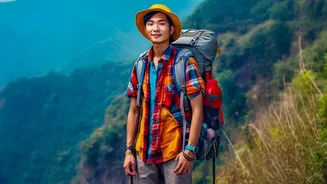
like polyester or nylon. Pack two quick-dry t-shirts and a pair of comfortable, lightweight trekking pants. These materials wick moisture away from your body and dry rapidly, which is crucial in humid and wet conditions. A full-sleeve shirt can offer protection from insects and the sun on the rare occasion it appears.
Your Most Important Decision: Footwear
Slippery trails are the biggest challenge of monsoon trekking. Your footwear is your most critical piece of gear. Do not wear sneakers, sandals, or any shoe with a flat sole. Invest in a pair of proper trekking shoes with deep lugs on the outsole for a strong grip on wet rocks and muddy paths. While waterproof boots help keep your feet dry initially, some trekkers prefer non-waterproof mesh shoes that drain quickly. Whichever you choose, ensure they provide good ankle support to prevent injuries on uneven terrain. Equally important are your socks; pack at least two extra pairs of synthetic or wool-blend socks to avoid blisters caused by damp feet.
Layering for the Rain: Your Outer Shell
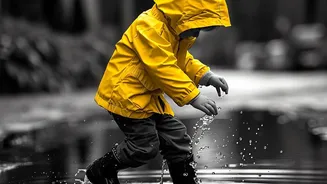
A reliable outer layer is non-negotiable. You have two main options: a waterproof rain jacket with rain pants or a poncho. A good rain jacket and pants offer complete coverage and are ideal for windy conditions. A poncho is a more budget-friendly option that has the added benefit of covering both you and your backpack, providing excellent ventilation. Whichever you choose, make sure it has a hood to protect your head and face. Combining this with a cap underneath can help keep rain out of your eyes.
Keeping Your Gear Dry: Backpack and Protection
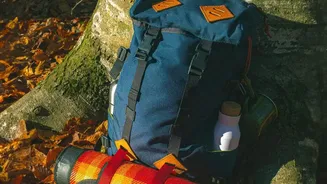
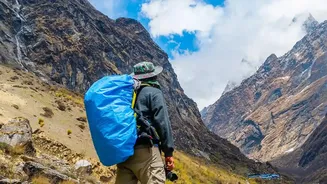
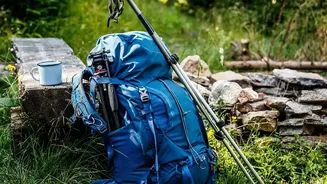
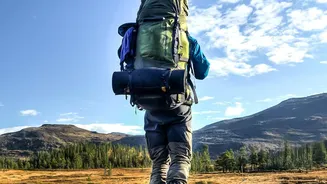
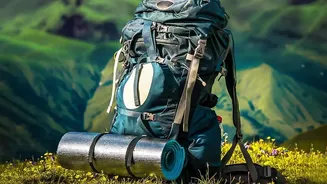
Even water-resistant backpacks will eventually soak through in a downpour. A waterproof rain cover for your backpack is essential. For an extra layer of protection, line the inside of your pack with a large trash bag or a dedicated pack liner. Then, organize your most vulnerable items—electronics, a change of clothes, and your sleeping bag if it's an overnight trek—into smaller waterproof dry sacks or zip-lock bags. This double-bagging method ensures that even if the outside of your pack gets wet, your essential gear remains perfectly dry.
Essential Gear and Safety Items
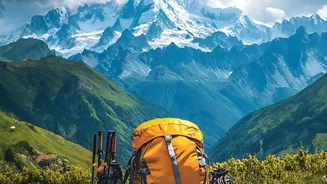
A few key items can significantly enhance your safety and comfort. Trekking poles are highly recommended for beginners, especially on slippery descents; they provide stability and reduce strain on your knees. A headlamp with extra batteries is crucial, as you might end up trekking in low light or returning after dark. Carry a basic first-aid kit containing antiseptic wipes, bandages, blister pads, and pain relievers. Insect repellent is also important, particularly for forest trails where leeches may be present. Finally, pack some high-energy snacks like nuts and energy bars to fuel you on the trail.