
In a world of confusing diet trends, from low-carb to high-protein, the answer to a truly balanced morning meal might just be in our grandmothers' kitchens. Traditional Indian breakfasts have long been a source of comfort, but what makes them so effective?
The Science of a Balanced Breakfast
Before we dive into our delicious regional staples, let's understand what makes a breakfast 'good'. The body, after an overnight fast, needs two key things: carbohydrates for immediate energy and protein for sustained fullness and muscle repair. Carbohydrates are the primary fuel that wakes up your brain and body. Protein slows down digestion, which prevents a rapid spike and crash in blood sugar, keeping you full and focused until your next meal. A meal that balances these two macronutrients provides a steady release of energy, improves appetite control, and sets a stable foundation for the rest of the day. Many regional Indian breakfasts have mastered this combination through centuries of culinary wisdom.
South India: The Power of Fermentation
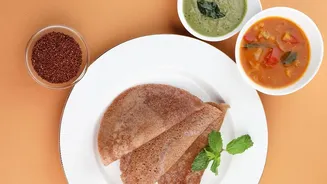
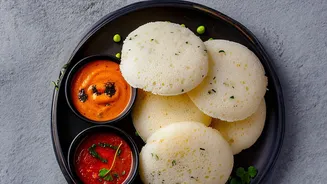
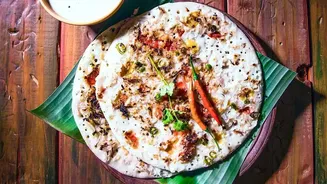
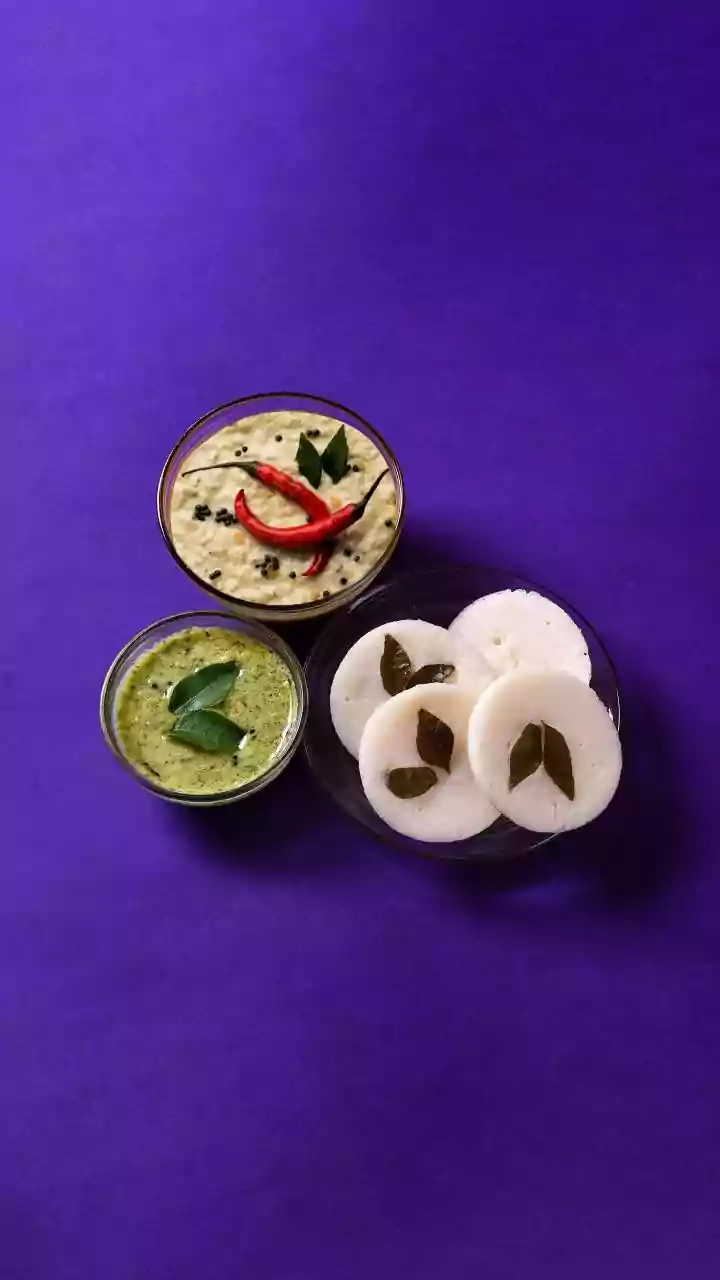
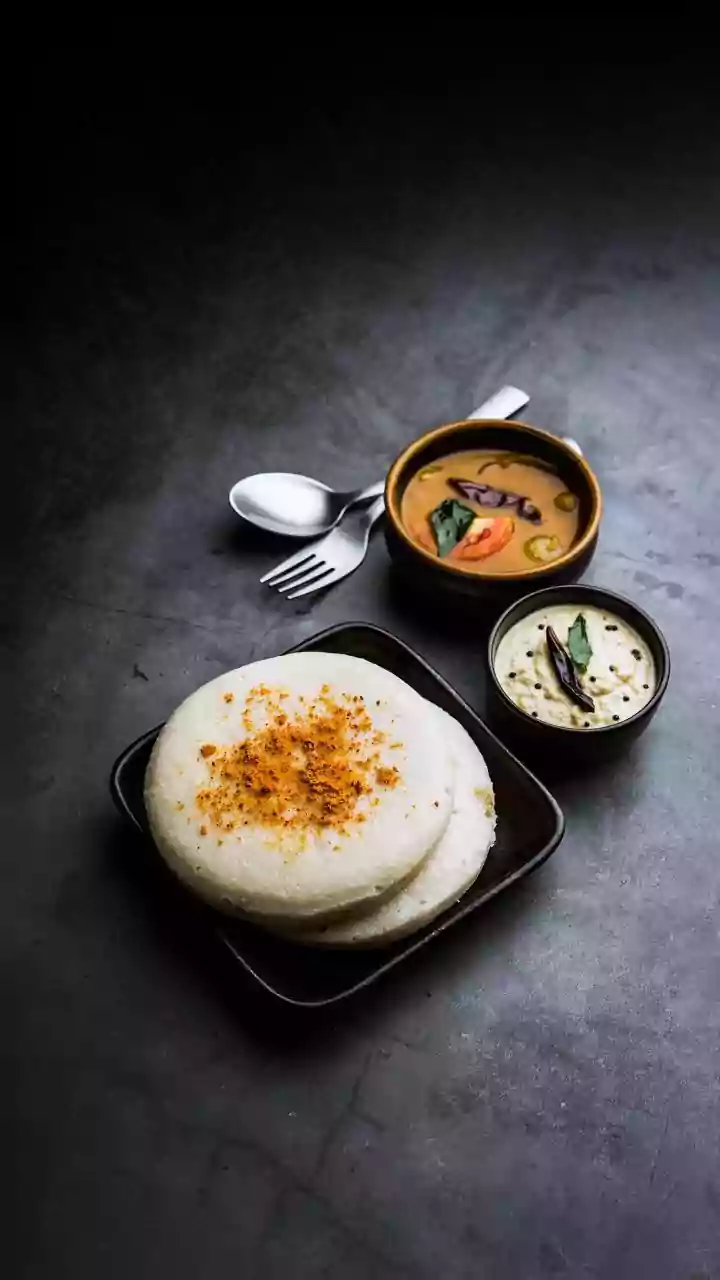
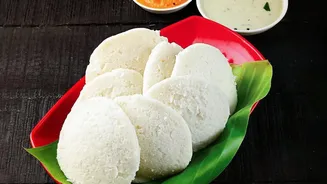
South Indian staples like idli and dosa are prime examples of nutritional genius. They are made from a fermented batter of rice (carbohydrates) and urad dal (protein). The fermentation process does more than just make the idlis fluffy; it acts as a form of pre-digestion, breaking down complex starches and proteins into simpler forms that are easier for the body to absorb. This process also increases the bioavailability of nutrients like B vitamins and minerals. When you pair two or three idlis with a bowl of sambar—a lentil-based stew packed with vegetables—you get a complete meal. The idlis provide the carbs, while the combination of dal in both the idli and the sambar delivers a substantial protein punch, often totalling around 10-13 grams per serving.
West and Central India: The Wholesome Goodness of Poha
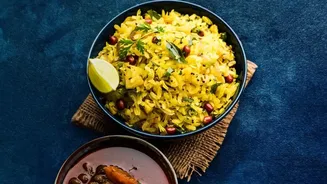
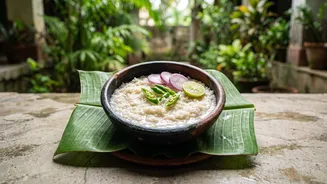
Travel to Maharashtra, Gujarat, or Madhya Pradesh, and you'll find poha as a breakfast favourite. Made from flattened rice, poha is light on the stomach and provides a great source of complex carbohydrates. On its own, it’s mainly carbs, but the magic lies in its preparation. It is typically cooked with onions and sometimes peas, and crucially, often garnished with roasted peanuts. These peanuts add a dose of healthy fats and, importantly, protein. A squeeze of lemon on top not only adds flavour but also vitamin C, which helps in the absorption of iron from the poha. When served with a side of curd or yogurt, the meal's protein content gets another significant boost, making it a well-rounded and satisfying start to the day.
North India: The Stuffed Paratha Strategy
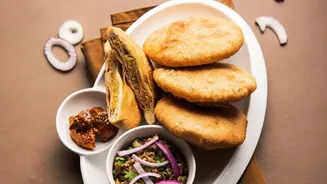
In North India, the paratha rules the morning. While a plain paratha is mostly carbohydrates, the common practice of stuffing it transforms its nutritional profile. A paneer paratha, for instance, is a powerhouse. The whole wheat flatbread provides complex carbs and fibre, while the generous filling of spiced cottage cheese (paneer) offers a high-quality source of protein and calcium. A single homemade paneer paratha can contain around 9-11 grams of protein. Similarly, sattu (roasted gram flour) parathas from Bihar or dal parathas provide both carbs from the covering and protein from the filling. Served traditionally with a bowl of dahi (curd), this meal becomes a complete protein package, as the curd adds even more protein and beneficial probiotics.
The Wisdom in the Combination
The brilliance of Indian breakfasts lies not just in a single ingredient but in the synergy of the entire plate. The pairing of a grain (like rice or wheat) with a legume (like dal or chickpeas) is a recurring theme. This combination creates a 'complete protein', providing all the essential amino acids the body needs. Furthermore, the accompaniments are not just for flavour. Sambar adds lentils and vegetables, coconut chutney provides healthy fats, and a side of curd offers probiotics and more protein. These are not accidental pairings; they are time-tested formulas for creating a meal that is balanced, delicious, and deeply nourishing.