




In our constant search for true rest, we often overlook the power of structured relaxation. Yoga Nidra, or 'yogic sleep', offers a path to deep restoration, but its effectiveness hinges on technique and the right environment.
What Exactly Is Yoga Nidra?
Yoga Nidra is a state of conscious
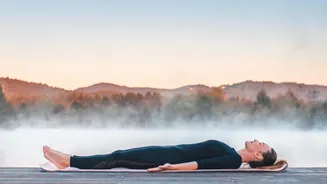
deep sleep. It's a guided meditation practice that systematically induces complete physical, mental, and emotional relaxation. Unlike conventional sleep where you lose awareness, in Yoga Nidra, you remain aware while your body rests profoundly. The practitioner lies down comfortably in Savasana (corpse pose) and follows a set of verbal instructions from a teacher or a recording. The goal is to reach a state between waking and dreaming, where the mind is exceptionally receptive and the body can begin to heal itself. It's not about trying to concentrate; it's about allowing your attention to follow the instructions without effort, creating a powerful tool for unwinding the nervous system.
The Importance of a Quiet Space
The 'quiet practice space' mentioned in the headline is not a mere suggestion; it is a foundational requirement for an effective Yoga Nidra session. This practice is about withdrawing the senses (Pratyahara) to turn your awareness inward. External stimuli like a ringing phone, a conversation in the next room, or even uncomfortable lighting can constantly pull your attention back to the outside world, preventing the mind from settling. Your space should be a sanctuary of calm. This means choosing a room where you won't be disturbed for the duration of the practice, typically 20-40 minutes. Dim the lights, ensure the temperature is comfortable, and use blankets and pillows to support your body fully. The more you can signal to your body and mind that this is a safe, quiet time for rest, the deeper your relaxation will be.
A Step-by-Step Relaxation Technique
While every guided practice can vary slightly, most Yoga Nidra sessions follow a similar systematic structure. It begins with settling into your comfortable position and setting a 'Sankalpa', or an intention. This is a short, positive statement in the present tense that you silently repeat. Following this, the practice moves through several key stages. A 'body scan' brings awareness to each part of the body, piece by piece, to release physical tension. Next comes 'breath awareness', where you simply observe the natural flow of your breath without trying to change it. The guide may then introduce the 'awareness of opposites'—invoking sensations like heaviness and lightness, or cold and heat—to balance the brain's hemispheres. This is often followed by a period of visualisation before the Sankalpa is repeated and you are gently guided back to full waking consciousness.
Understanding the Practical Limits
Yoga Nidra is a powerful tool, but it is not a panacea. Understanding its practical limits is crucial for a healthy practice. Firstly, it is not a replacement for professional medical or psychological treatment. While it can be a wonderful complementary practice for managing stress, anxiety, or insomnia, it does not 'cure' clinical conditions. Secondly, some individuals may find the experience challenging. The deep state of relaxation can sometimes allow suppressed emotions or trauma to surface. If this happens, it is important to practice with the guidance of a trained and trauma-informed instructor. Finally, results are not always immediate. Some people fall asleep during their first few sessions, and that's perfectly okay. It takes time for the mind to learn how to hover in that delicate state between waking and sleeping. Patience and consistency are more important than achieving a 'perfect' practice.