

Understand How They Work
A self-watering pot isn't truly 'self-watering'; it's 'sub-irrigated'. It consists of a growing container that sits above a water reservoir. A wicking system, which can be a fabric rope or a column of soil, uses capillary action to pull water from the
reservoir up into the soil as the plant needs it. This system provides a consistent moisture level, preventing the cycle of drought and drenching common with top-watering. However, the risk lies in the soil becoming perpetually oversaturated, which suffocates roots by cutting off their oxygen supply.
Choose the Right Potting Mix
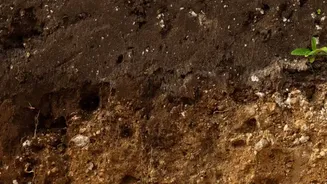
The single most important factor for success is using the right soil. Never use heavy garden soil, which compacts, blocks drainage, and will turn to a dense, airless mud in a self-watering pot. You need a lightweight, well-aerated potting mix designed to wick moisture without becoming waterlogged. Look for mixes containing peat moss or coco coir for moisture retention, combined with plenty of perlite or pumice (around 30-40%) to create air pockets and ensure good drainage. This combination keeps the soil fluffy, allowing roots to breathe while still getting the hydration they need.
Master the Initial Setup
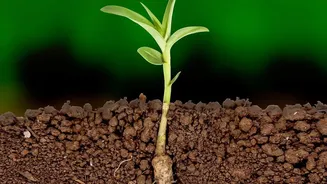
When you first pot your plant, don’t rely on the reservoir immediately. For the first one to two weeks, water from the top like you would a traditional pot. This helps the soil settle, eliminates air pockets, and encourages the roots to grow downwards towards the eventual moisture source. Moisten the potting mix before you even add the plant to the pot to ensure the wicking connection between the soil and reservoir is activated from the start. After a couple of weeks, the plant's root system will be established enough to start drawing water from below.
Don't Keep the Reservoir Full
A common mistake is treating the reservoir like an all-you-can-drink buffet. Most plants, except for some wetland natives, need a period for their roots to dry out slightly. Keeping the reservoir constantly topped up can lead to perpetually soggy soil and root rot. Instead, let the reservoir go completely empty and wait a few days before refilling it. This brief dry period is crucial for root health, as it allows oxygen to penetrate the soil. How often you refill depends on the plant, pot size, and environment, but a regular dry-down cycle is non-negotiable for most houseplants.
Pick the Right Plants
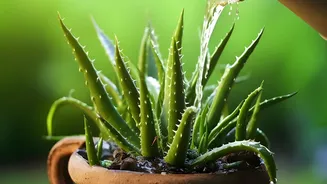
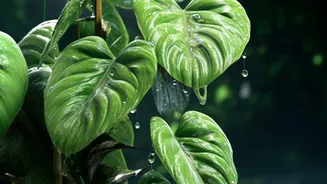
While many plants can adapt, some are better suited to self-watering systems than others. Moisture-loving tropicals, leafy greens, herbs, and many vegetables thrive with the consistent hydration these pots provide. However, you should avoid using them for plants that require dry conditions between waterings, such as succulents, cacti, or other desert-adapted species. Their roots are highly susceptible to rot in consistently moist environments. Matching the plant to the pot is a key step in setting yourself up for success.