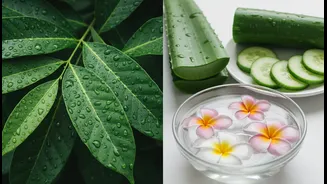









Master Your Monsoon Skincare
High humidity can send your skin's oil production into overdrive, leading to clogged pores, stickiness, and acne breakouts. However, completely stripping your skin of its natural oils can backfire, causing it to produce even more sebum. The key is to find
a balance with a consistent and gentle routine.
Cleanse Without Stripping
Wash your face twice a day with a mild, pH-balanced cleanser to remove grime and excess oil. Those with oily or acne-prone skin should look for ingredients like salicylic acid or tea tree oil. For a deeper clean in the evening, consider double cleansing: start with a cleansing oil or balm to dissolve makeup and sunscreen, then follow with a gentle gel or foam-based wash. This method ensures your pores are thoroughly cleared without irritating the skin barrier.
Exfoliate Gently and Moisturise Lightly
Exfoliation is crucial for removing the build-up of dead skin cells that can dull your complexion and clog pores, but harsh physical scrubs should be avoided. Instead, opt for a gentle chemical exfoliant with ingredients like lactic or salicylic acid once or twice a week. Follow up with a lightweight, non-comedogenic moisturiser. It's a common myth that humid weather means you can skip this step, but even oily skin needs hydration. Look for gel-based moisturisers containing hyaluronic acid or glycerin to hydrate without greasiness.
Don’t Forget Sunscreen
Even on cloudy, overcast days, harmful UV rays can penetrate the clouds and damage your skin. Sunscreen is a non-negotiable step in any skincare routine, all year round. Choose a broad-spectrum, gel-based sunscreen with at least SPF 30 to protect against both UVA and UVB rays without feeling heavy on the skin. Reapply every few hours if you're outdoors for an extended period.
Tackle Monsoon Hair Woes
Humidity is the main culprit behind most monsoon hair problems. The excess moisture in the air causes the hair's outer layer, the cuticle, to swell, resulting in that dreaded frizz. This, combined with a damp scalp, can also lead to increased hair fall, dandruff, and a greasy feeling.
Fight the Frizz
The battle against frizz starts in the shower. Use hydrating, sulfate-free shampoos and conditioners to lock in moisture. A cold-water rinse at the end of your wash can help seal the hair cuticles, making them smoother. After washing, gently squeeze out excess water with a microfiber towel or an old cotton t-shirt instead of rubbing vigorously, which can rough up the cuticle. Applying a lightweight anti-frizz serum or a few drops of argan oil to damp hair can create a protective barrier against humidity.
Maintain a Healthy Scalp
A healthy scalp is the foundation of healthy hair. The damp, humid conditions of monsoon are an ideal breeding ground for fungal and bacterial growth, which can lead to dandruff and itchiness. Wash your hair 2-3 times a week with a mild shampoo to keep the scalp clean. If your hair gets wet in the rain, try to rinse it with clean water as soon as possible to wash away pollutants. Most importantly, never tie up your hair when it's wet, as this traps moisture and can weaken the roots and lead to scalp infections.
Prevent Fungal Infections
Fungal infections are extremely common during the monsoon due to the constant dampness. To prevent them, prioritise staying dry. Change out of wet clothes and socks immediately. Wear breathable cotton fabrics and open-toed footwear whenever possible. After showering, pay special attention to drying skin folds, such as underarms, the groin area, and between the toes. Using an antifungal powder in sweat-prone areas can also be a helpful preventive measure.