




The Foundation: Pots and Soil
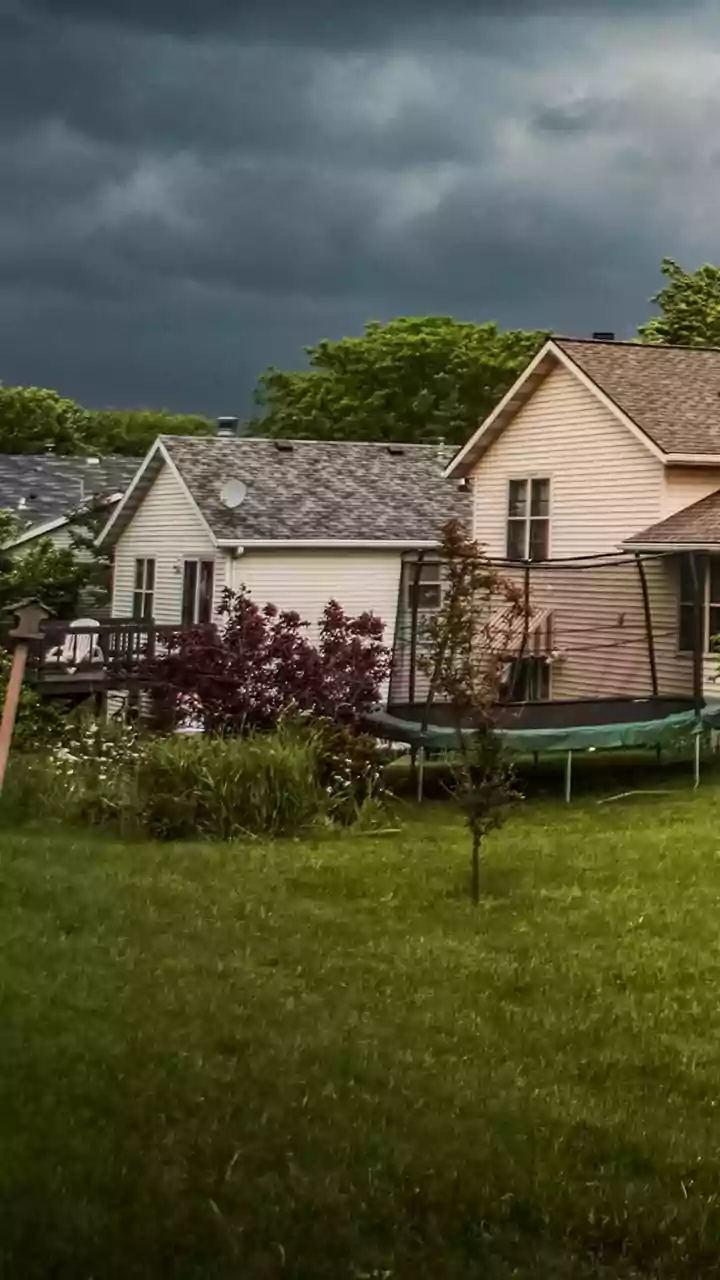
Success during the rainy season is all about managing water, and that starts with your pots and soil. The number one enemy is root rot, which happens when roots sit in waterlogged soil and can't get oxygen. To prevent this, choose containers with multiple
drainage holes. Terracotta or clay pots are excellent choices as they are porous and allow excess moisture to evaporate. Elevate your pots using bricks or pot feet to ensure water can drain freely and isn't trapped in the saucer underneath. Do not use regular garden soil, which compacts easily and drains poorly in containers. Instead, create a light, airy potting mix. A reliable formula is a blend of potting soil, compost for nutrients, and coco peat or perlite. This combination provides structure and fertility while ensuring excellent drainage, preventing the soil from becoming a soggy mess during heavy downpours.
Growing Glorious Basil
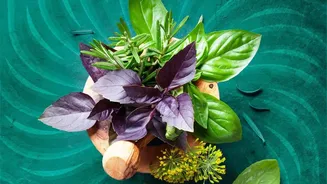
Basil loves warmth and sun but is surprisingly fussy about water. Overwatering is a common reason basil plants fail. During the monsoon, water only when the top inch of the soil feels dry to the touch. Although it needs sun, the intense afternoon sun can be harsh. A spot that gets 4-6 hours of morning sun is ideal. Constant rain can be tough on its delicate leaves and can encourage fungal diseases like grey mould or leaf spot. If possible, move your basil pot to a sheltered spot during continuous heavy rain to give it a break. Regular harvesting is key to a bushy plant. Once your basil is about six inches tall, start pinching off the top sets of leaves. This encourages the plant to branch out, creating more foliage for your pesto and sauces.
Mastering Mighty Mint
Mint, or pudina, is famously easy to grow and a staple in Indian kitchens. It's a vigorous grower that will quickly take over any space, so planting it in its own wide pot is essential to contain its spreading runners. Mint prefers consistently moist soil but is still susceptible to root rot during the monsoon if drainage is poor. Reduce your watering frequency compared to the hot summer months, always checking the soil first. Mint is adaptable and can thrive in both sun and partial shade, making it a flexible choice for balconies with varied light. To encourage a fuller, bushier plant, trim the leaves and stems regularly. This not only gives you a steady supply for your chutney but also promotes healthier lateral growth.
Cultivating Lovely Lemongrass
Lemongrass brings an unmistakable flavour to Asian cuisine and thrives in hot, humid weather, making it well-suited to the Indian climate. For balcony gardeners, a large, deep pot of at least 5 gallons is crucial, as the root system can become quite dense and even break smaller pots. It is a sun-loving plant and needs at least six hours of direct sunlight daily to produce flavourful stalks. While it enjoys moisture, well-drained soil is non-negotiable to avoid root rot. Water it when the top inch of soil feels dry, but be careful not to let it sit in a waterlogged pot. You can begin harvesting when the stalks are about a foot tall and at least half an inch thick at the base.
Monsoon Pest and Disease Control
High humidity and wet conditions during the monsoon can invite a host of pests and fungal issues. Slugs and snails are common nocturnal visitors that chew holes in leaves, especially on basil. Aphids, tiny insects that suck sap from new growth, can also be a problem for both basil and mint. Fungal diseases like powdery mildew and root rot are the biggest threats, caused by poor air circulation and soggy soil. To combat these, ensure good spacing between your plants for airflow, avoid watering in the evenings, and immediately trim any yellowing or rotting foliage. For pests like aphids, a simple spray of soapy water is often effective.