


Iran's Pre-Existing Water Crisis
Long before the current conflict, Iran was grappling with a severe water crisis. Decades of mismanagement, climate change-driven drought, and inefficient agricultural practices have pushed the country into a state of absolute water scarcity. This has
resulted in the dramatic shrinking of lakes and rivers, the depletion of groundwater aquifers, and significant land subsidence in major urban areas like Tehran. The situation has already proven to be a major driver of domestic unrest, with widespread protests over water shortages becoming a recurring challenge for the government in recent years. This chronic vulnerability transforms water from a resource issue into a core national security threat.
Water as a Weapon of War
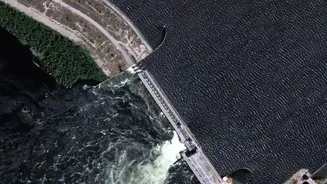
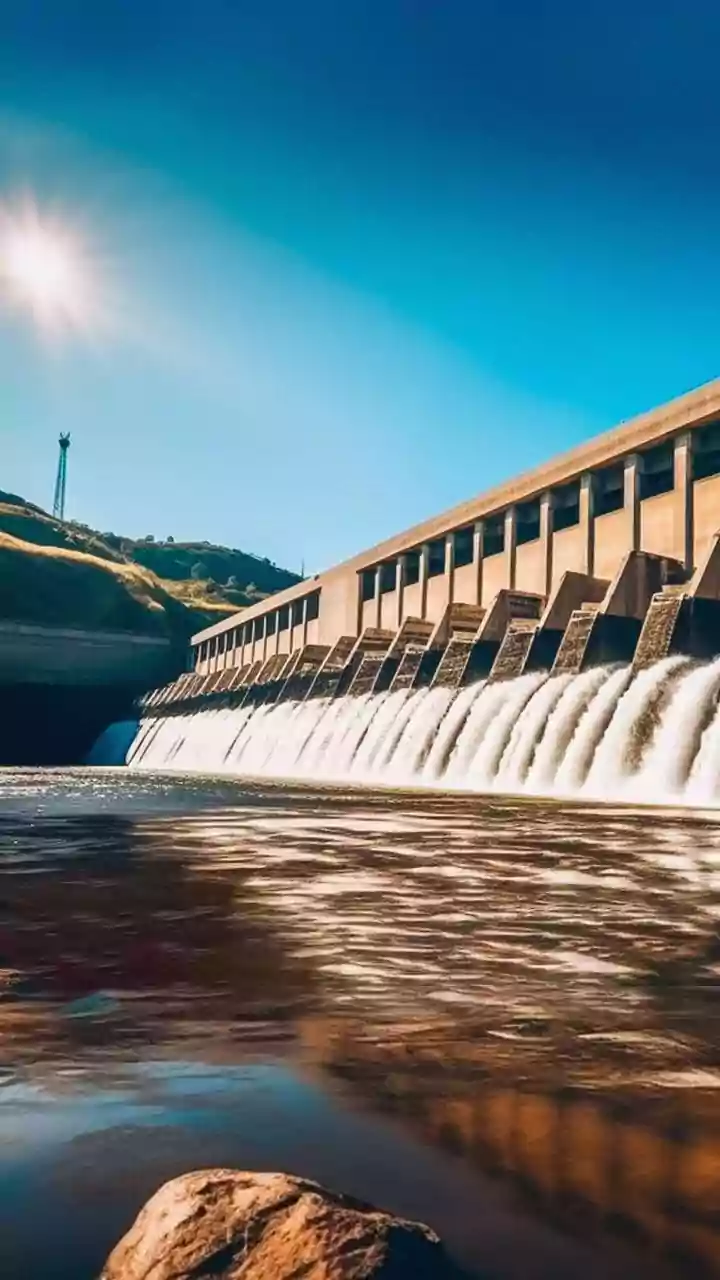
In the context of a war, this fragility becomes a strategic liability. Modern conflict increasingly involves targeting critical infrastructure to cripple an adversary's ability and will to fight. Iran's water infrastructure, including over 500 large dams, extensive pipelines, and desalination plants, is essential for its population and economy. Targeting these systems could have a devastating dual effect: creating a humanitarian crisis by disrupting water supplies for millions and simultaneously hobbling agricultural and industrial output that supports the war effort. The potential for social destabilization caused by such attacks presents an asymmetric advantage for an external adversary.
A Dispersed and Hardened Military
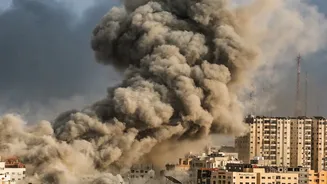
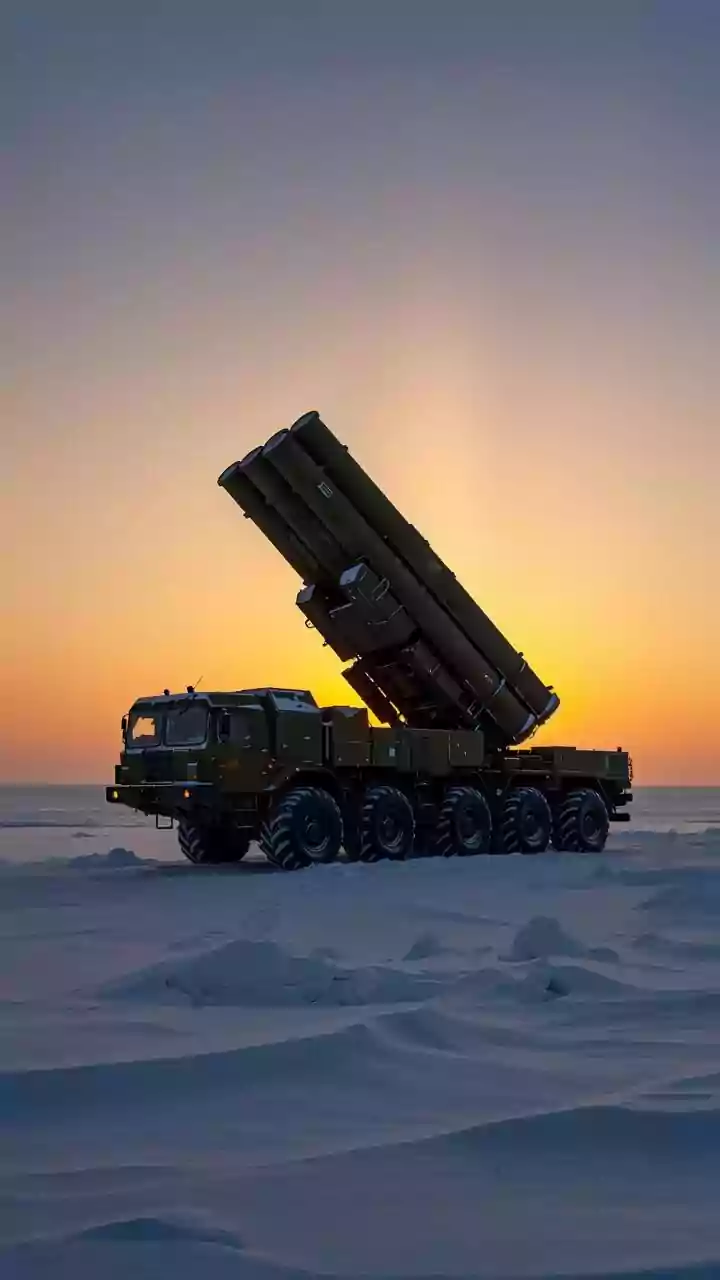
Parallel to its water vulnerability, Iran has spent decades developing a resilient and asymmetric military posture designed to counter technologically superior foes like the United States. Rather than relying on large, concentrated bases that are easy to target, Iran's strategy emphasizes dispersal, redundancy, and hardened structures. Key assets, particularly its substantial ballistic missile arsenal and elements of its nuclear program, are housed in a network of underground facilities, sometimes referred to as 'missile cities'. These fortified sites are engineered to survive significant aerial bombardment, diminishing the effectiveness of traditional precision strikes. This strategy was demonstrated in recent conflicts where, despite numerous strikes, Iran's capacity to persist and retaliate remained.
The IRGC and Asymmetric Power
At the heart of this military strategy is the Islamic Revolutionary Guard Corps (IRGC), which operates independently of the regular army (Artesh) and controls Iran's most sensitive programs, including its ballistic missiles and extraterritorial operations via the Quds Force. The IRGC's doctrine prioritizes guerrilla-style tactics, such as using swarms of small, fast attack boats to disrupt shipping in the critical Strait of Hormuz, alongside its drone and missile capabilities. Recent exchanges have included U.S. strikes on IRGC sites on Qeshm Island in the Strait of Hormuz and attempted Iranian attacks on U.S. assets in the region, highlighting the IRGC's central role in the conflict.
A Battlefield of Dual Vulnerabilities
The convergence of these two realities—a fragile water system and a hardened military—defines the current strategic landscape. An attacking force must contend with a military that is difficult to decapitate through conventional means due to its buried and dispersed nature. This may elevate the strategic importance of non-military targets like the water grid. By threatening the systems that provide life-sustaining resources, an adversary could aim to create internal pressure on the Iranian regime that air strikes on military sites alone cannot achieve. This makes the conflict less about destroying armies and more about disrupting the fundamental ability of the state to function, a complex and dangerous evolution of modern warfare.