



A Landmark Discovery, Light-Years Away
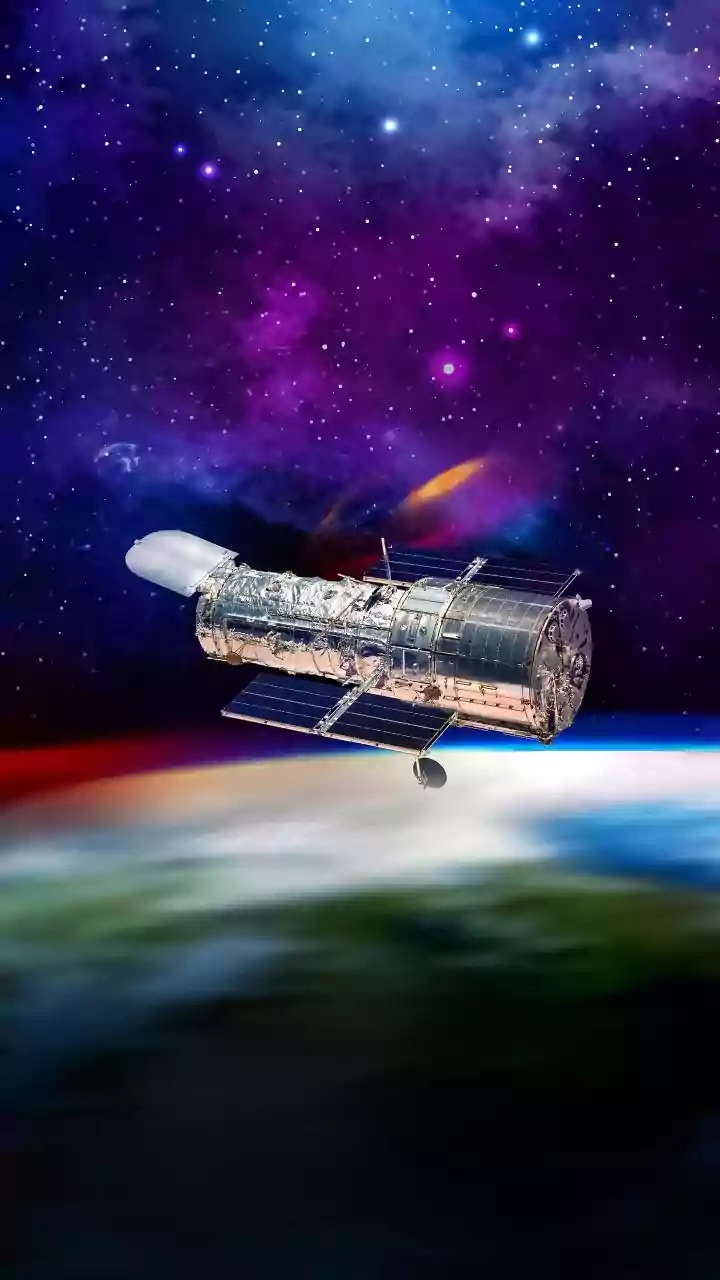
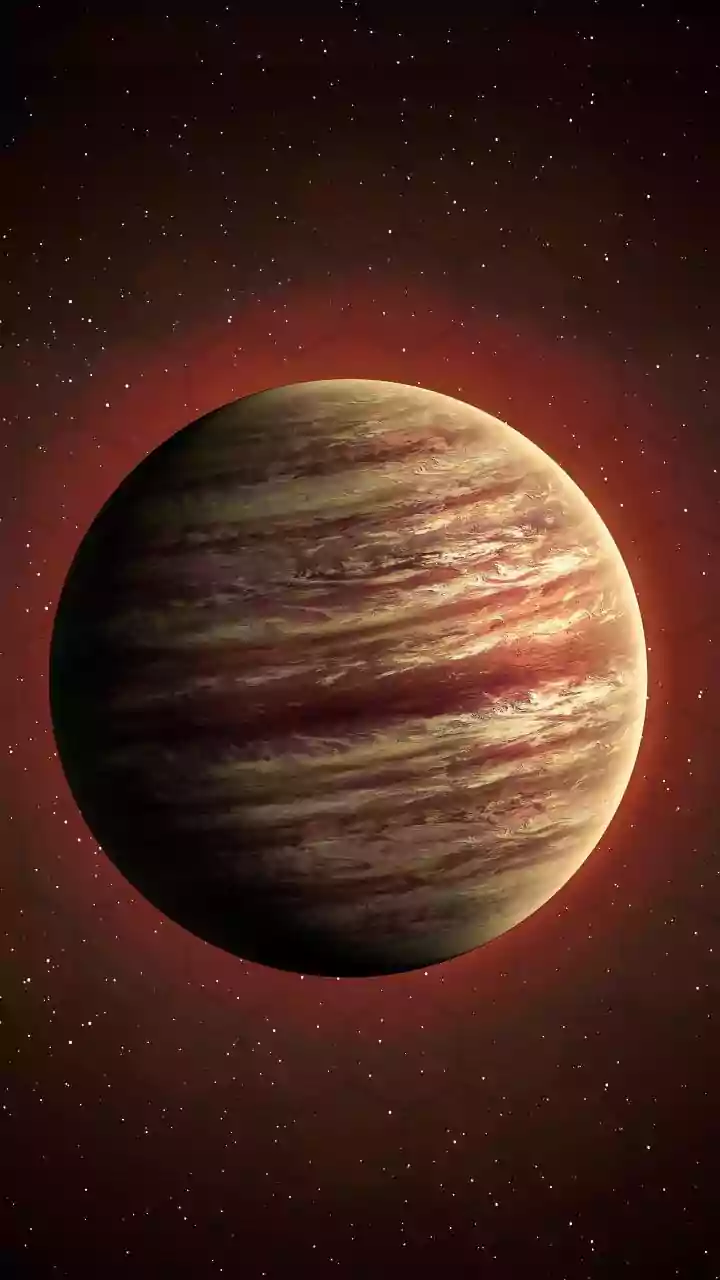
The planet in question is GJ 9827d, located approximately 97 light-years from Earth. While earlier observations from the Hubble Space Telescope first hinted at the presence of water, the advanced capabilities of the JWST are now being used to study this
world in greater detail. This discovery marks GJ 9827d as the smallest exoplanet to date where water vapour has been detected in its atmosphere, a significant milestone in the characterization of planets that are closer in size to our own. The term 'signature' refers to the specific way that molecules, like water, absorb light. By analyzing the starlight that passes through the planet's atmosphere, scientists can identify these chemical fingerprints.
What Exactly Is a Super-Earth?
The term 'super-Earth' can be a bit misleading. It doesn't imply the planet is a larger, more hospitable version of our world. Instead, it's a classification based on size and mass. Super-Earths are planets more massive than Earth but lighter than our solar system's ice giants, Neptune and Uranus. They typically range from having a radius slightly larger than Earth's to about four times as large. This category of planet is remarkably common in our galaxy, yet our own solar system curiously lacks one, making them a key area of scientific interest. They can be rocky, gaseous, or a combination, and their conditions can vary from scorching lava worlds to frozen ice balls.
How Webb Sees an Invisible Atmosphere
Detecting the atmosphere of a planet nearly 100 light-years away is a monumental technological feat. The JWST uses a technique called transmission spectroscopy. As an exoplanet passes in front of its host star from our perspective, a tiny fraction of the starlight filters through the planet's atmosphere. Different gases in the atmosphere absorb specific wavelengths, or colours, of this light. By measuring which wavelengths are missing from the star's light, astronomers can deduce the chemical composition of the atmosphere. JWST's incredible sensitivity, especially in the infrared spectrum, allows it to pick up these faint chemical fingerprints that were previously undetectable.
Water Vapour vs. Habitable World
Finding water vapour is a monumental discovery, but it doesn't automatically mean we've found a habitable world with liquid oceans. GJ 9827d, for example, is scorching hot, with temperatures estimated to be around 400 degrees Celsius, similar to Venus. At this temperature, any water would exist as a steamy, inhospitable vapour. Scientists are currently exploring two main possibilities for GJ 9827d. It could be a 'mini-Neptune' with a hydrogen-rich atmosphere that contains some water, or it could be a water world where a large fraction of its mass is water, which has formed a thick, steamy atmosphere. Understanding which of these scenarios is correct is a key goal for future JWST observations.
Why This Finding Matters for Business and Science
This discovery is a powerful demonstration of the return on investment for the multi-billion dollar James Webb Space Telescope. Each new finding pushes the boundaries of what's possible and provides crucial data that informs the next generation of scientific inquiry and technological development. For instance, studying the atmosphere of a hot, rocky world like 55 Cancri e, another super-Earth examined by Webb, provides insights into the early stages of planetary evolution when Earth itself was covered in magma oceans. These findings not only fuel public excitement and scientific progress but also justify the massive engineering and financial undertakings required to build such revolutionary instruments, paving the way for future ambitious projects like the Habitable Worlds Observatory.