



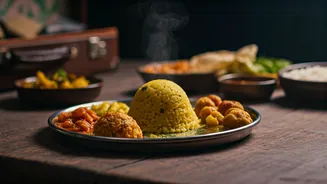



More Than Just a Meal
For too long, food on vacation was an afterthought—a quick bite grabbed between museum visits or a safe, familiar meal at the hotel restaurant. But a growing number of travellers are realising what food lovers have always known: a destination’s cuisine
is not just fuel, it’s the destination itself. Gastronomic tourism, or culinary travel, is about intentionally seeking out unique food and drink experiences. It’s a philosophy that transforms a simple holiday into a multi-sensory exploration. It’s the difference between seeing a place and truly feeling it. When you eat where the locals eat, you’re doing more than just tasting a dish; you’re participating in a daily ritual, a cultural practice that has been shaped over generations. Every bite tells a story of the region’s history, its climate, and the ingenuity of its people.
Your Compass to Culture
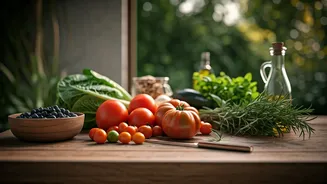
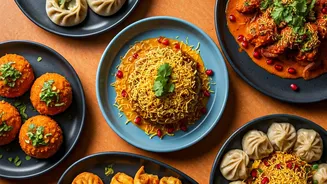
Think of food as a language. The smoky flavour of a tandoori dish in Punjab speaks of Mughal influence and the arid plains, while the coconut-and-tamarind tang of a Goan fish curry tells a story of coastal abundance and Portuguese trade routes. Following the food trail is like hiring the most authentic local guide. A trip to a bustling market is more revealing than any guided tour. You’ll see the ingredients that form the backbone of the local diet, watch vendors and shoppers interact, and feel the rhythm of daily life. A street food crawl through the lanes of Old Delhi or Bangkok isn't just about satisfying hunger; it’s an immersive cultural experience. You learn that food isn't just about sustenance—it’s about community, celebration, and identity. It’s the thread that connects the past to the present and people to their land.
How to Plan a Food-First Trip
Making food the star of your travels is easier than you think. It starts with a little pre-trip research. Instead of searching for “top sights in…”, try searching for “must-eat dishes in…” or “famous local food markets.” Create a culinary map of your destination. Identify iconic local eateries, from legendary fine-dining establishments to humble street-side stalls that have been serving the same dish for decades. Look into booking a food tour on your first day. It’s a fantastic way to get your bearings, sample a variety of local specialties safely, and get insider tips from a local guide. Don’t be afraid to step out of your comfort zone. Visit a local 'kirana' store or supermarket to see what everyday people buy. If you’re feeling adventurous, sign up for a cooking class. Learning to prepare a local dish is an incredible souvenir that you can bring home and share.
Inspiration for Your Indian Palate
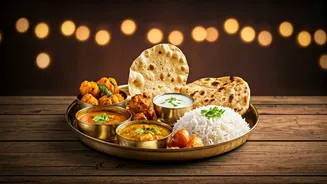
You don't need a passport to embark on a world-class culinary journey. India is a continent of cuisines. Plan a trip to Lucknow, the city of Nawabs, for its legendary galouti kebabs and fragrant biryanis. Head to Amritsar for a spiritual and culinary pilgrimage, where the langar at the Golden Temple is as essential as a plate of buttery Amritsari Kulcha. Travel south to Kerala and explore the complex flavours of a traditional 'sadhya' served on a banana leaf, or indulge in the fresh seafood of the Malabar coast. For street food lovers, Kolkata is paradise, offering everything from 'puchkas' and 'kathi' rolls to a dazzling array of Bengali sweets. Each region offers a distinct culinary identity waiting to be explored.
Going Global with Your Taste Buds
Ready to take your appetite abroad? The world is your oyster. For an explosion of flavour, head to Thailand, where the street food scene in Bangkok is a dizzying, delicious adventure. In Italy, go beyond the tourist traps of Rome and explore the regional differences: the rich pastas of Emilia-Romagna, the simple, fresh seafood of Sicily, or the invention of pizza in Naples. Vietnam offers a journey through pho, banh mi, and fresh spring rolls, with each region putting its unique spin on these national treasures. Even a trip to nearby Sri Lanka becomes a culinary quest for the perfect egg hopper and kottu roti. By focusing on food, you discover the nuances that make each culture unique.