
The Context of the Criticism
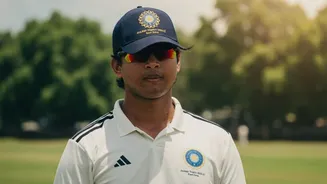
Vibhav Sooryavanshi is no stranger to the spotlight. The teenage prodigy from Bihar has been a household name for his explosive batting in the IPL and age-group cricket. But with fame comes intense scrutiny. Before this semi-final, Sooryavanshi's red-ball
numbers were modest, with an average of just 16.53 from 13 innings. This, combined with a heated on-field incident during an India A tour in June that resulted in a fine, had provided ammunition for social media trolls and some commentators who questioned his temperament and readiness for the big stage. The narrative was building: a white-ball wonder who lacked the discipline for the traditional format.
An Answer Written with a Bat
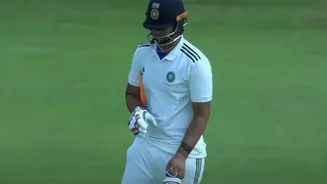
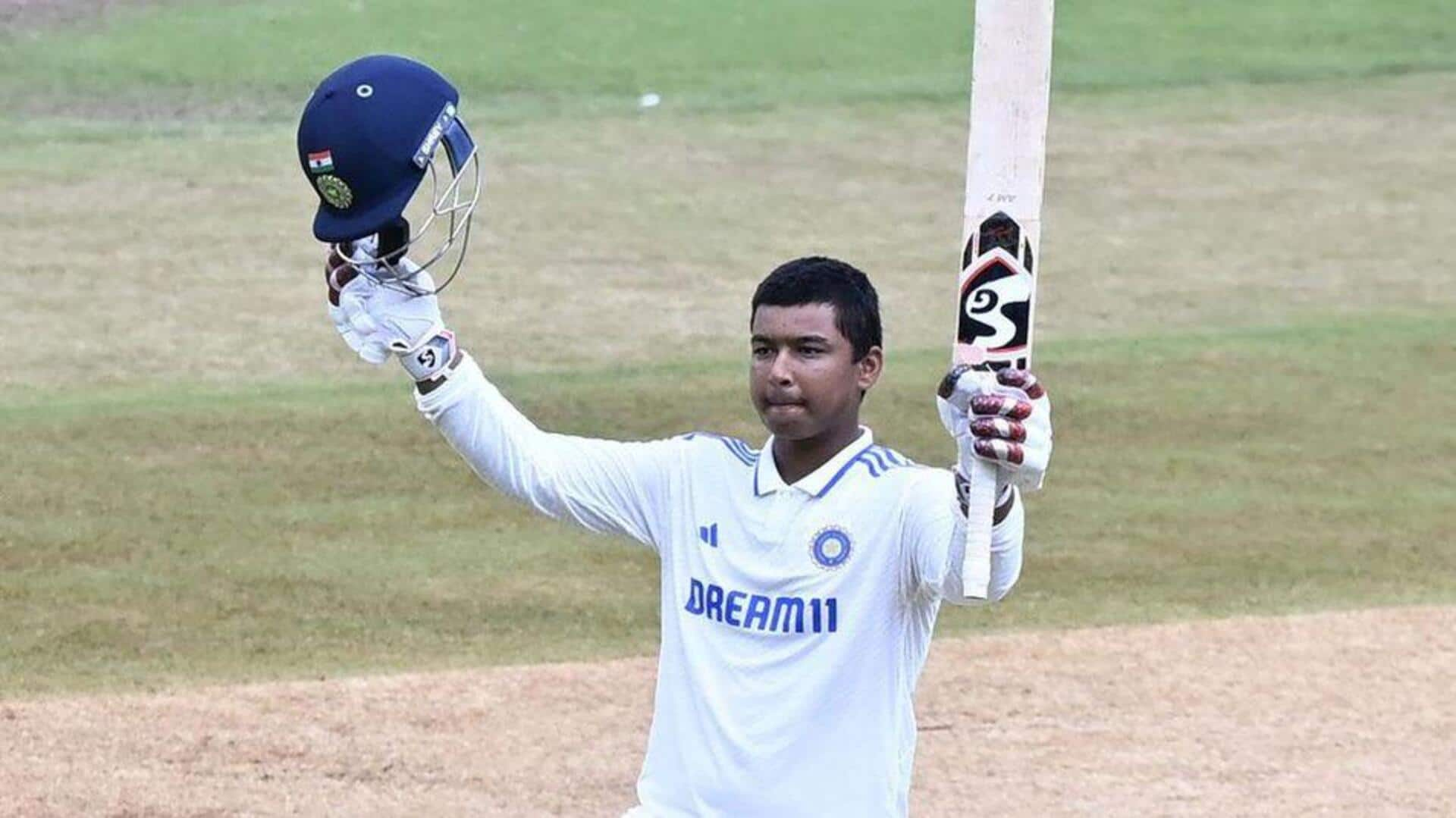
Walking out to open for East Zone against Central Zone, the pressure was immense. Central Zone had posted a respectable 266, and a strong start was crucial. Sooryavanshi didn't just play; he dominated. He launched a stunning counter-attack, reaching his fifty in a mere 42 balls with a six. It was a fearless display of power and timing, as he hit seven fours and seven sixes in total. He made the Central Zone bowlers toil, putting together a mammoth 162-run opening partnership with Abhimanyu Easwaran that put East Zone firmly in control of the semi-final. This wasn't just scoring runs; it was a statement of intent.
Shattering a 57-Year-Old Record
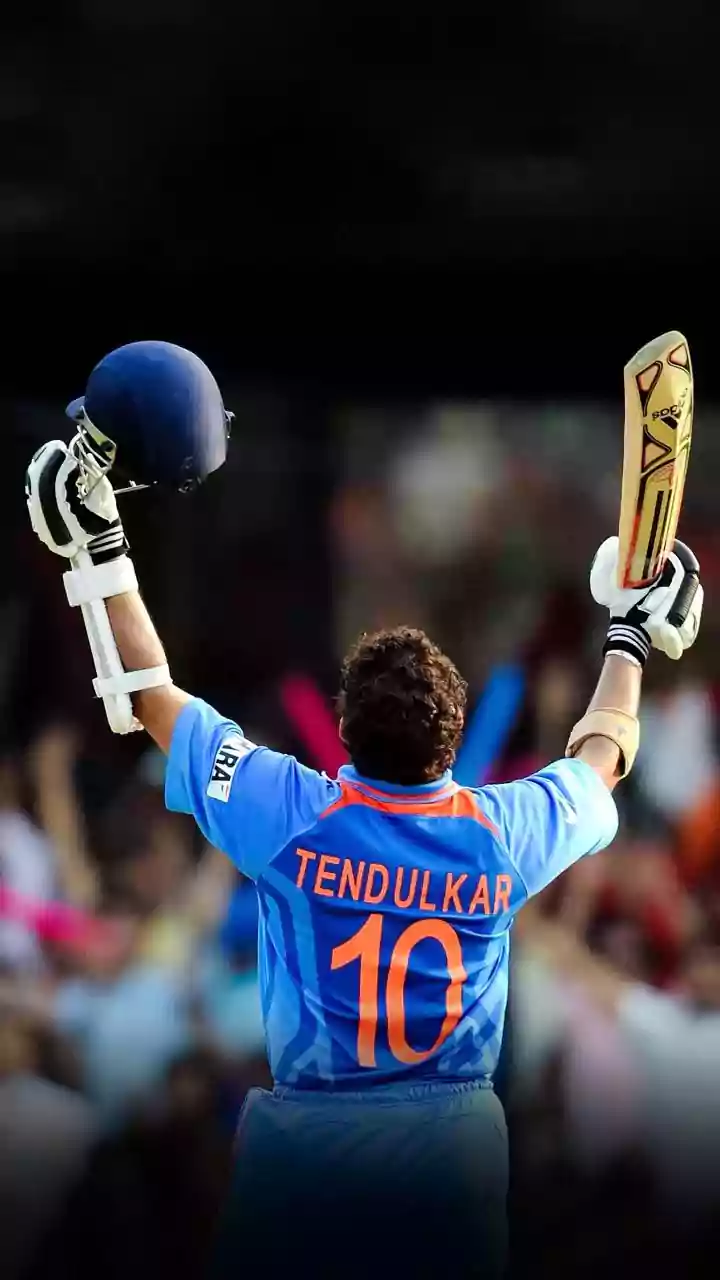
The innings was not just defiant; it was historic. At 15 years and 157 days, Sooryavanshi became the youngest player in the history of the Duleep Trophy to score a half-century. He broke a record that had stood for 57 years, previously held by Laxman Singh, who was 16 years old when he achieved the feat in 1969. He fell agonisingly short of a century, dismissed for 92 off just 81 balls. Had he reached three figures, he would have broken Sachin Tendulkar’s long-standing record as the youngest centurion in the tournament's history. While a hundred was missed, a significant record was well and truly broken.
More Than Just an Innings
This knock of 92 was about more than just numbers on a scorecard. It was a powerful reply to the noise surrounding his career. In the age of social media, where young athletes are subjected to constant and often harsh judgment, Sooryavanshi’s performance was a masterclass in mental fortitude. He demonstrated an ability to channel criticism into fuel and perform when it matters most. Even before his batting heroics, he briefly took over as captain on the first day after the regular skipper was injured, showcasing a maturity beyond his years. This innings wasn't just a comeback; it was a glimpse into the resilient character of a player who looks set to define the next generation of Indian cricket.