


The Two Types of Dietary Iron
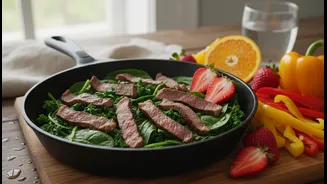
Understanding why this pairing is so effective starts with knowing that dietary iron comes in two forms: heme and non-heme. Heme iron is found in animal products like meat, poultry, and fish. It's easily absorbed by the body. Non-heme iron is found in plant-based
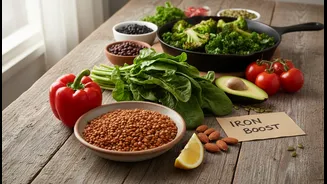
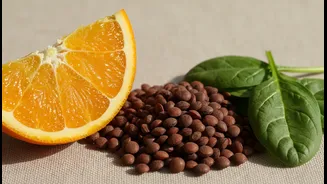
sources like lentils, beans, spinach, and fortified grains. While abundant, non-heme iron is significantly harder for our bodies to absorb, with an efficiency rate as low as 2% compared to up to 40% for heme iron. This difference is a key reason why iron can be a nutrient of concern for vegetarians and vegans who rely exclusively on plant sources.
Vitamin C: The Key to Unlocking Plant Iron
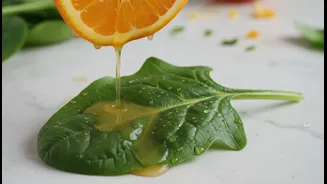
This is where vitamin C, or ascorbic acid, plays a starring role. When consumed in the same meal, vitamin C acts as a powerful enhancer of non-heme iron absorption. It works by converting the plant-based iron (in its ferric form) into a different state (ferrous iron) that the intestines can absorb much more readily. Think of vitamin C as the key that unlocks the iron trapped in plant foods. Studies have shown that this simple addition can increase iron absorption significantly. Even a modest amount of vitamin C, around 50 mg (the equivalent of half a bell pepper or a small orange), can make a substantial difference.
Power Pairings for the Indian Kitchen
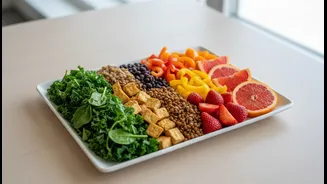
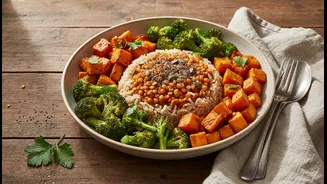
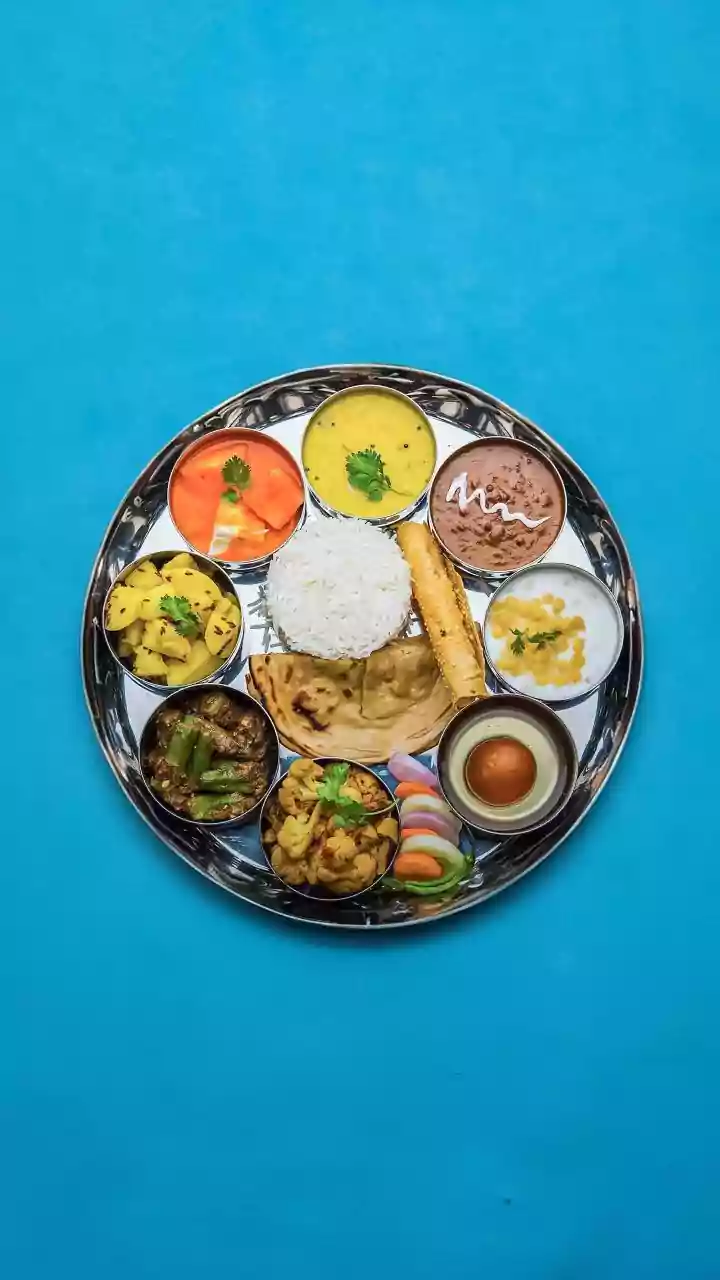
Incorporating this principle into a daily diet is simple and delicious, especially with the variety available in Indian cuisine. The goal is to combine an iron-rich food with a vitamin C-rich food in the same meal. Here are some effective and easy-to-make combinations: Dal with a Squeeze of Lemon: A staple in every household, a bowl of dal (lentils) is a great source of iron. Squeezing fresh lemon juice over it just before eating provides the vitamin C needed for better absorption. Palak with Tomatoes: While spinach (palak) is famous for its iron, it also contains oxalates that can hinder absorption. Cooking it with tomatoes, which are rich in vitamin C, helps counteract this and boosts the iron uptake. Chana Masala: This popular dish is a natural power-pairing. The chickpeas (chana) provide the iron, while the tomatoes and onions in the gravy deliver a healthy dose of vitamin C. Millet Roti with Amla Chutney: Millets like ragi and bajra are iron-rich grains. Pairing a millet roti with a side of amla (Indian gooseberry) chutney, one of the most potent sources of vitamin C, is an excellent strategy. Sprouts Salad: A salad made from sprouted moong or chickpeas is not only rich in iron but the sprouting process itself can increase nutrient availability. Tossing it with chopped tomatoes, bell peppers, and a lemon-based dressing creates a perfect iron-boosting meal.
What to Avoid With Iron-Rich Meals
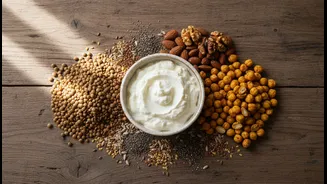
Just as some foods enhance iron absorption, others can inhibit it. The main culprits are polyphenols (specifically tannins) and phytates. Tannins are found in tea and coffee, which is why it's often recommended to avoid drinking them with or immediately after an iron-rich meal. Phytates are present in whole grains, legumes, and seeds. While these foods are healthy, their inhibitory effect is another reason why pairing them with vitamin C is so important, as the vitamin helps overcome these blocking compounds. Calcium is another known inhibitor of both heme and non-heme iron absorption, so it's wise to separate calcium-rich foods like dairy from your main iron-focused meals when possible.