


Millets for White Rice
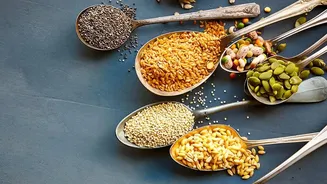
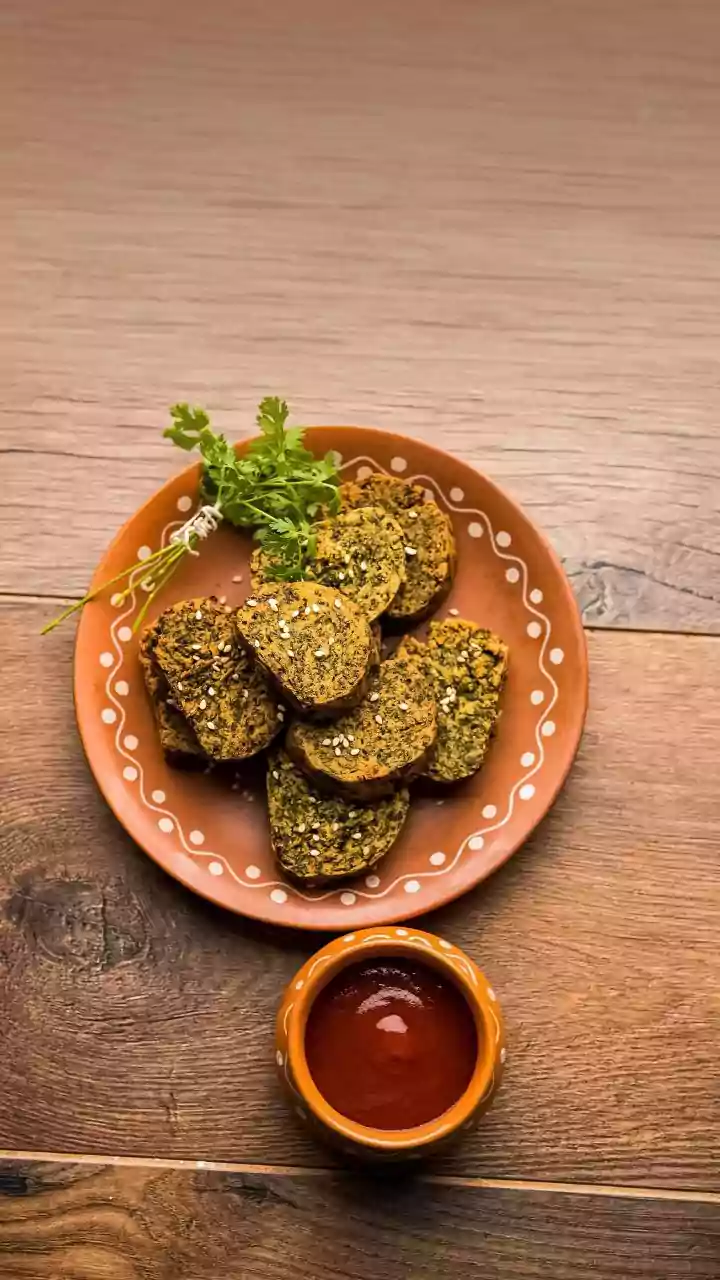
Once a staple, polished white rice is now often replaced by ancient grains like ragi, jowar, and bajra. Millets are nutritional powerhouses, packed with more fibre, protein, and essential minerals than white rice. Their low glycemic index helps manage
blood sugar levels, provides sustained energy, and keeps you feeling full for longer, making them an excellent choice for overall health.
Jaggery for Refined Sugar
The switch from white sugar to traditional sweeteners like jaggery (gur) is a significant one. While sugar offers empty calories, jaggery retains minerals like iron, potassium, and magnesium. It is less processed and has a lower glycemic index, preventing sudden blood sugar spikes. Jaggery also has an alkaline effect on the body, unlike sugar which is acidic.
Whole Wheat Flour (Atta) for Refined Flour (Maida)
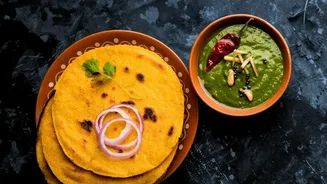
Many are ditching maida for whole wheat atta. Maida is stripped of its nutrients during processing, while atta retains the fibre-rich bran and nutrient-dense germ. This high fibre content aids digestion, promotes satiety, and helps in weight management. Atta is also a better source of B vitamins and iron, making it a far superior choice for daily rotis and breads.
Ghee or Cold-Pressed Oils for Refined Vegetable Oils
Households are returning to traditional fats like desi ghee and cold-pressed oils (mustard, coconut, groundnut). Unlike refined oils, which undergo heavy processing, ghee and cold-pressed oils retain their natural nutrients and antioxidants. Ghee is rich in fat-soluble vitamins and has a high smoke point, making it great for Indian cooking, while cold-pressed oils offer healthy fats beneficial for heart health.
Makhana or Nuts for Packaged Chips
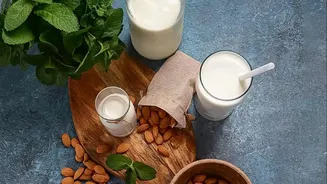
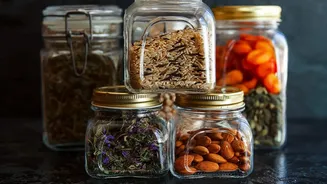
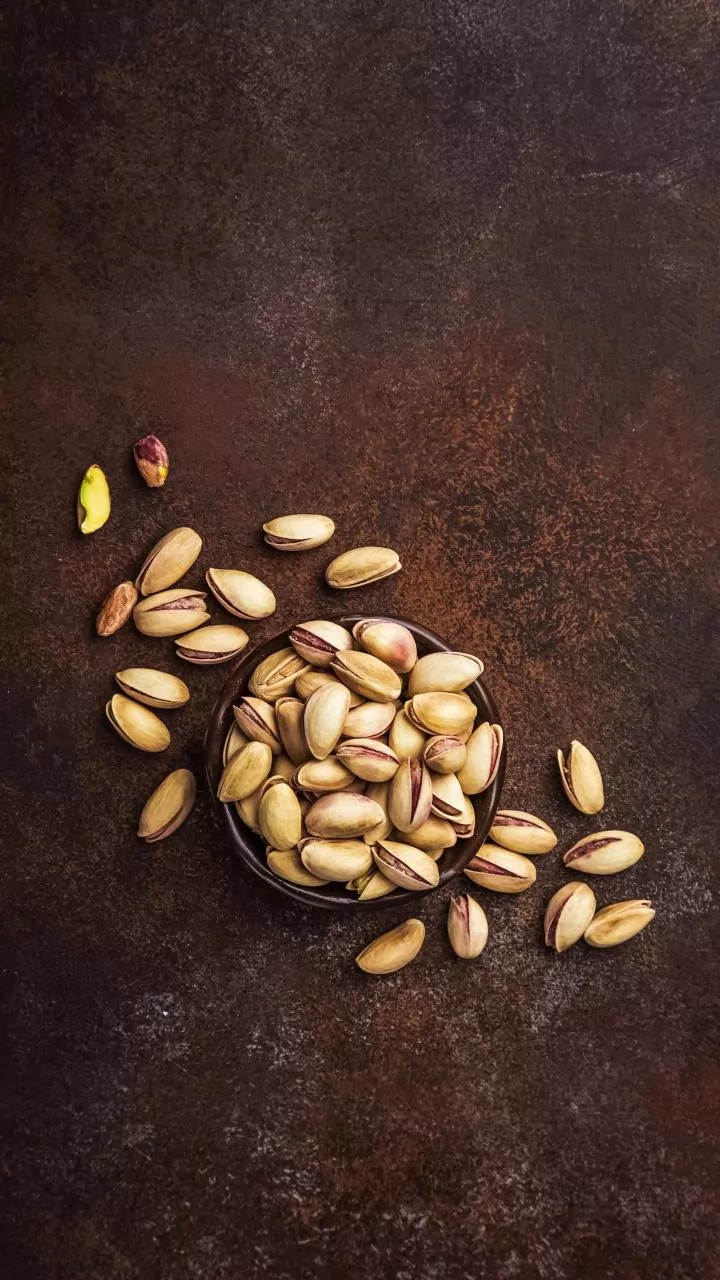
The quintessential evening snack is getting a makeover. Instead of fried potato chips or namkeen, people are reaching for roasted makhana (fox nuts), almonds, and seeds. Makhana is low in calories and rich in protein and minerals. Nuts and seeds provide healthy fats, fibre, and protein, offering a more satisfying and nutrient-dense alternative to processed snacks.
Cauliflower Rice for White Rice
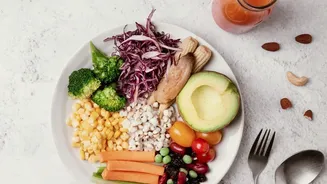
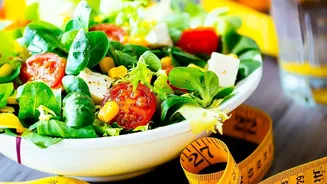
For those seeking a low-carb alternative, cauliflower rice has become a popular swap. It has significantly fewer calories and carbohydrates compared to white rice. A cup of cauliflower rice contains about 25 calories, versus 200 in white rice. It is also rich in fibre, vitamins C and K, and choline, a nutrient important for brain health.
Rock Salt for Table Salt
The choice of salt is also becoming more considered, with many opting for rock salt (sendha namak) over regular table salt. While table salt is heavily processed, rock salt is a more natural form, containing 84 trace minerals, including potassium, magnesium, and calcium. It's valued in Ayurveda for aiding digestion, balancing electrolytes, and promoting better mineral absorption.
Air-Frying or Baking for Deep-Frying
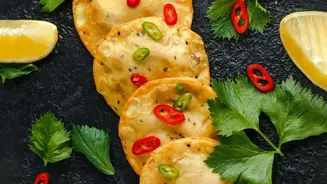
Cooking methods are changing to reduce oil consumption. Deep-frying is being replaced by air-frying, baking, or grilling. An air fryer can make crispy samosas or tikkis with a fraction of the oil, significantly cutting down on calories and unhealthy fats. Steaming is another excellent zero-oil method that preserves more nutrients, especially in vegetables.
Yogurt for Cream in Curries
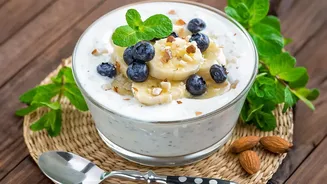
To create rich, creamy gravies, many cooks are now using yogurt (dahi) instead of heavy cream or cashew paste. Yogurt provides a similar creamy texture but with fewer calories and the added benefit of probiotics for gut health. It also adds a slight tang that can balance the spices in a dish. For best results, use full-fat yogurt and add it towards the end of cooking on low heat to prevent splitting.
Sprouts Chaat for Biscuits
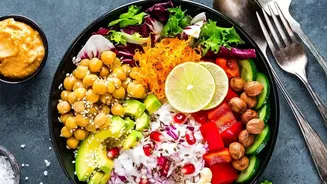
Tea-time is getting healthier with the decline of refined-flour biscuits. A bowl of sprouts chaat is a fantastic alternative. Sprouting increases the nutritional value of legumes like moong. A simple chaat made with sprouts, chopped vegetables, and a squeeze of lemon is a refreshing, low-calorie snack packed with protein, fibre, and vitamins.