




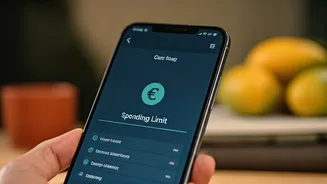


The Modern Money Belt Strategy
Gone are the days of hiding cash in socks. [6] The modern way to protect your vacation funds is to create a digital buffer. Instead of carrying debit cards linked to your primary salary or savings account, you use a separate, dedicated travel account.
[12, 13] This strategy ensures that if your travel card is lost, stolen, or skimmed, potential losses are limited only to the small amount you've loaded for your trip. Your main, long-term savings remain completely untouched and secure, giving you the freedom to relax and enjoy your travels without financial anxiety. This approach is not just about security; it's about smart, stress-free money management while on the move.
What to Look for in a Travel-Friendly Bank App
When choosing a digital bank app for your travel fund, certain features are non-negotiable. First and foremost, look for a zero-balance account to avoid penalties if you empty it after your trip. [15, 20] Many digital-first banks, or 'neobanks', offer this as a standard feature. [3, 9] Next, prioritise apps that provide instant control, such as the ability to lock or freeze your card with a single tap. Another crucial feature is the ability to generate a virtual debit card. [5, 14] This allows you to make online bookings for flights and hotels without exposing your physical card details. [5] Finally, consider accounts that offer some form of high-yield interest; while you're not expecting to get rich, it's a nice bonus to have your travel money earn a little extra while it sits there. [3, 25]
Putting the Strategy into Practice
Implementing this strategy is simple. Once you've chosen and opened a zero-balance digital account, the process is straightforward. Before your trip, calculate your estimated budget and transfer only that amount from your primary account to your new travel account. While on vacation, use this account's debit or virtual card for all your expenses. This includes everything from coffee and meals to souvenir shopping and local transport. For added security, only top up the account with small amounts from your main account as needed using your phone. This minimizes your exposure at any given time. Many of these apps also provide real-time spending notifications, which helps you track your budget and immediately spot any unauthorised transactions. [21, 27]
Leading Apps for Indian Travellers
In India, a number of fintech companies and digital banks excel in providing these services. Neobanks like Fi Money and Jupiter, which partner with licensed banks like Federal Bank, are popular choices. [3, 9, 26] They typically offer zero-balance savings accounts, instant payment features via UPI, and robust app interfaces for managing your money. [3, 14] Another strong contender, especially for international travel, is Niyo. [21] Niyo often provides accounts with features like zero forex markup on international spending, which can lead to significant savings compared to traditional bank cards. [21, 25] These apps are designed for a digital-first audience, meaning account opening is usually quick, entirely online, and requires just your basic KYC documents like a PAN and Aadhaar card. [14]
Beyond Security: The Added Perks
While the primary benefit is security, using a modern banking app for travel comes with other advantages. Many of these accounts offer higher interest rates than traditional savings accounts, sometimes with interest credited more frequently. [25] Some, like Fi Money, even have gamified savings rules and reward systems that make managing money more engaging. [27] For international trips, the savings on foreign exchange fees can be substantial. [21] Traditional banks often charge a markup of 2-3.5% on every transaction, which adds up quickly. A zero-forex card from a provider like Niyo eliminates this cost entirely, potentially saving you thousands of rupees on a single trip. [21]