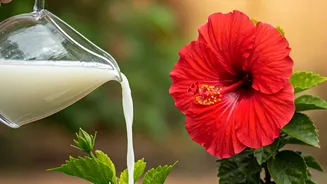




The Kitchen Secret for a Lush Garden
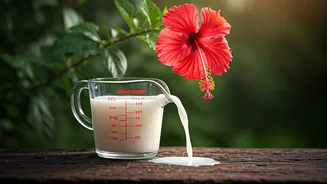
For generations, the cloudy water left over from rinsing rice has been a well-known beauty secret for hair and skin. But its benefits extend far beyond personal care. This starchy liquid, packed with trace minerals and vitamins, is also a gentle yet effective
natural fertilizer for plants. For a flowering plant like hibiscus, which is a heavy feeder and thrives on consistent nutrition, rice water can provide a welcome boost. Instead of letting this nutrient-rich water go down the drain, you can easily repurpose it to support the health of your garden, making it a perfect example of sustainable, zero-waste living that benefits both your home and the environment.
Why Rice Water Works for Hibiscus
The magic of rice water lies in its composition. While it isn't a replacement for a balanced, all-purpose fertilizer, it acts as an excellent supplement. The water contains starches, which feed beneficial microbes in the soil. These microorganisms help improve soil structure and make nutrients more readily available to the plant's roots. Furthermore, rice water contains small amounts of essential macronutrients like Nitrogen (N), Phosphorus (P), and Potassium (K), which are vital for plant growth. Phosphorus, in particular, is crucial for promoting robust root development and encouraging flowering. The water also holds trace elements and vitamins like B and E, which contribute to the overall vitality and resilience of the hibiscus plant, helping it produce healthier foliage and more impressive blooms.
How to Prepare Plain Rice Water
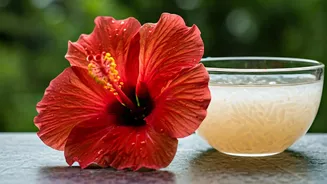
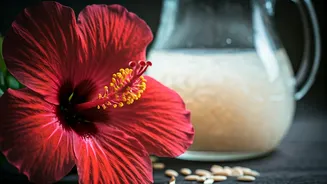
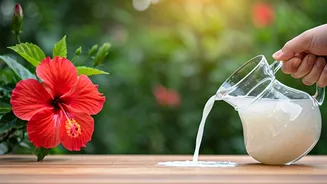
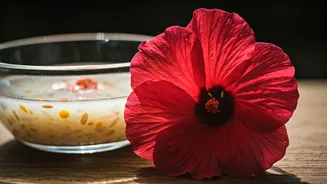
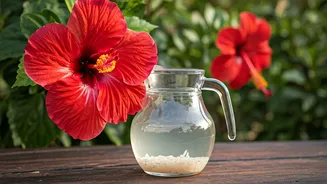
Using basic rice water is the simplest way to get started. There are two main methods to collect it. The first is the ‘soaking’ method: take a cup of uncooked rice, place it in a bowl with two to three cups of water, and let it sit for 30-45 minutes. Swirl it around occasionally. The water will turn milky white. Strain this liquid into a separate container, and your natural fertilizer is ready. The second method is the ‘rinsing’ method: when you wash your rice before cooking, simply collect the water from the first or second rinse. This water contains the highest concentration of starch and nutrients. For both methods, it's crucial to dilute the collected rice water with an equal amount of plain water (a 1:1 ratio) before using it on your plants to avoid an over-concentration of starch, which could potentially attract pests or create a film on the soil.
Unlocking More Power with Fermentation
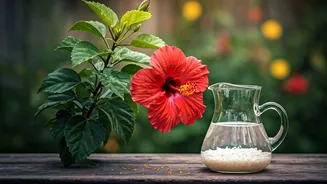
To elevate the potency of your homemade fertilizer, consider fermenting the rice water. The fermentation process breaks down the starches further, releasing more nutrients and creating beneficial enzymes. It also lowers the pH of the water, making it slightly acidic. Hibiscus plants thrive in slightly acidic soil (pH 6.5 to 6.8), so fermented rice water helps create an ideal environment for nutrient absorption. To ferment it, collect the rice water as you normally would. Pour it into a glass jar, cover it loosely with a lid or cloth (to allow gases to escape), and leave it at room temperature for two to five days. It will develop a slightly sour smell, which is a sign that fermentation is complete. Remember to dilute this potent concoction significantly—use one part fermented rice water to about 15-20 parts plain water before applying it to your plants.
Application: How and When to Use It
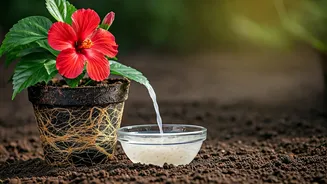
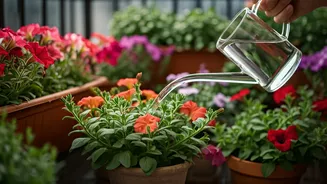
Consistency is key when using rice water for your hibiscus. As a general rule, you can water your hibiscus plants with diluted plain rice water once every one to two weeks during the growing and flowering season. For the more potent fermented version, limit its use to once or twice a month. When applying, use it to drench the soil thoroughly around the base of the plant, rather than spraying it on the leaves. This ensures that the nutrients reach the root system where they are needed most. Always water the soil when it feels slightly dry to the touch, and use the rice water solution in place of a regular watering session to avoid overwatering, which can lead to root rot.
A Few Important Precautions
To ensure you get the best results and keep your plants safe, follow a few simple guidelines. Most importantly, never use water from rinsing rice that has been salted or seasoned, as the salt can severely damage or even kill your plants. Always use water from rinsing plain, uncooked rice. While rice water is beneficial, it's not a complete fertilizer. Continue to use a balanced fertilizer as needed, especially if you notice signs of nutrient deficiency like yellowing leaves. Finally, be patient. Natural fertilizers work more slowly than their chemical counterparts. With consistent application over several weeks, you should start to see healthier leaves and more frequent, vibrant blooms on your hibiscus.