




The Reality of Renting in Pune
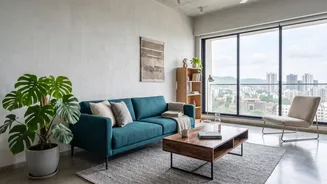
Renting in Pune offers undeniable flexibility, a major draw for the city's dynamic IT and student population. In popular residential hubs like Wakad, Hinjewadi, and Kharadi, the monthly rent for a 2BHK in a decent gated community typically ranges from
₹25,000 to ₹40,000 as of late 2026. While this seems affordable compared to an EMI, it's a recurring expense that builds no equity. Renters also face annual rent escalations, which can be anywhere from 5% to 10%, meaning your housing costs are designed to increase over time. The initial cash outflow is low—usually two to three months' rent as a security deposit—making it an accessible option. However, it's a cost that offers no long-term financial return.
The Great Down Payment Hurdle
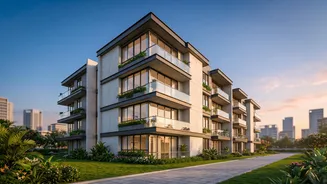
The biggest barrier to homeownership is the formidable down payment. In India, lenders typically require you to pay at least 20% of the property's value from your own pocket. Considering a 2BHK in developing IT corridors like Hinjewadi or Kharadi can cost between ₹80 lakh and ₹1.15 crore, the down payment alone amounts to a staggering ₹16 lakh to ₹23 lakh. On top of this, buyers must budget for stamp duty and registration charges. In Pune, this amounts to roughly 7% of the property value for male buyers. For an ₹85 lakh flat, that’s nearly ₹6 lakh in additional upfront costs, bringing the total immediate expense to around ₹22 lakh—a sum that can take years to save.
Decoding the Buyer's Monthly Costs
While renters pay a single monthly amount, a homeowner's outflow is more complex. Let's continue with the ₹85 lakh property example. After a 20% down payment (₹17 lakh), the loan amount would be ₹68 lakh. With home loan interest rates hovering around 8.5% to 8.75% in late 2026, a 20-year loan would result in an EMI of approximately ₹60,000. But the costs don't end there. You must also factor in monthly society maintenance charges, which can be ₹4,000-₹5,000, and annual property taxes. This pushes the buyer's effective monthly expense to over ₹65,000—more than double the average rent for a similar-sized apartment.
The Long-Term View: Asset vs. Opportunity
This is where the 'buy' argument gains strength. Despite the high monthly outflow, every EMI payment builds equity in a tangible asset. Historically, Pune's real estate market has seen steady appreciation, with some estimates suggesting an annual increase of 5-8% in established areas. Over 15-20 years, an ₹85 lakh property could be worth significantly more, creating substantial wealth. However, renters have an 'opportunity cost' advantage. By renting and investing the hefty down payment amount (around ₹22 lakh) and the monthly difference between EMI and rent (around ₹30,000) in assets like mutual funds or stocks, they could potentially generate comparable or even higher returns, albeit with different risks.
More Than Just A Financial Calculation
Ultimately, the rent-versus-buy decision transcends pure mathematics. Owning a home offers a sense of stability, emotional security, and the freedom to customize your living space. It’s a commitment that makes sense if you have a stable career and plan to live in Pune for the long haul (at least five years or more). Renting, on the other hand, provides unparalleled freedom. It allows you to move for a better job, upgrade or downgrade your home based on life circumstances, and avoid the responsibilities of maintenance and property-related taxes. It's the smarter choice for those with uncertain long-term plans or those who prioritize liquidity and flexibility over asset creation.