



Shukrayaan: India’s Next Interplanetary Leap
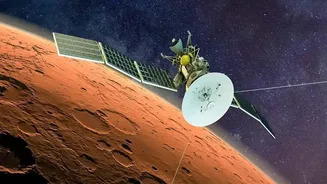
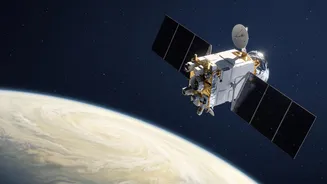
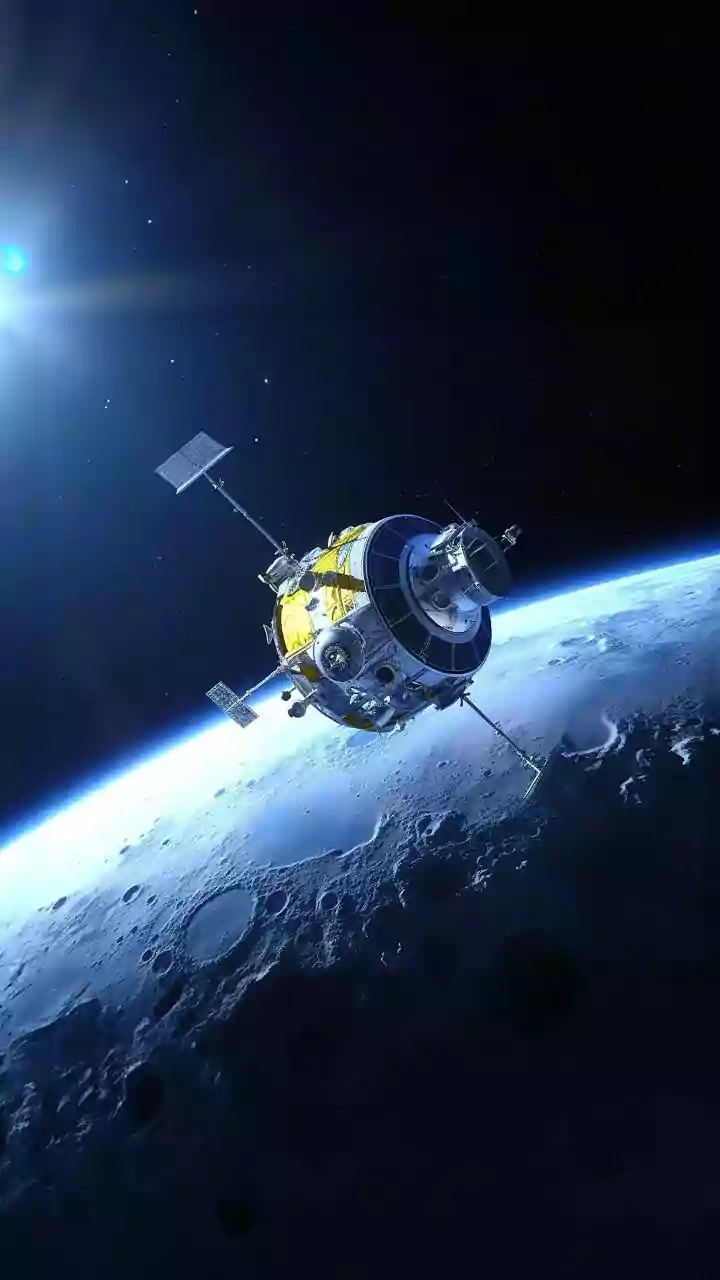
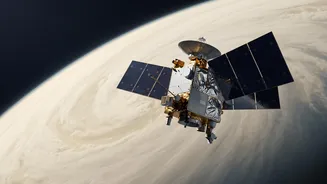
Following the monumental successes of Chandrayaan to the Moon and Mangalyaan to Mars, the Indian Space Research Organisation (ISRO) is setting its sights on our other planetary neighbour. Shukrayaan-1, or the Venus Orbiter Mission, is India’s first dedicated
mission to Venus. Scheduled for a launch in March 2028 aboard the powerful LVM-3 rocket, the spacecraft will embark on a journey to orbit this enigmatic planet. The mission carries a payload of around 100 kg, featuring a host of sophisticated Indian and internationally developed instruments designed to conduct a thorough investigation of the Venusian environment from its fiery surface to the top of its dense atmosphere.
Why Venus? Earth’s Cautionary Tale
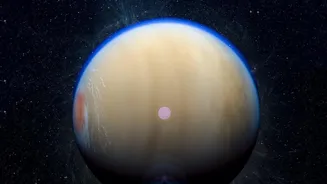
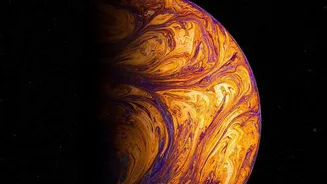
Venus is a planet of profound scientific interest because it offers a glimpse into a dramatically different evolutionary path for a planet similar in size and mass to Earth. Today, its surface is a hellscape with temperatures hot enough to melt lead (around 467°C) and a surface pressure over 90 times that of Earth. Its atmosphere is over 96% carbon dioxide, which has triggered a runaway greenhouse effect. Scientists believe Venus may have once had liquid water oceans, similar to early Earth. Understanding what caused this drastic climate shift is a key objective. Studying Venus helps scientists model how planetary climates evolve, serving as a critical cautionary tale for our own planet’s future.
Peering Beneath the Sulphuric Acid Veil
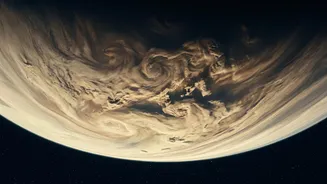
The greatest challenge in studying Venus is its permanent, planet-wide cloud cover. Composed mainly of corrosive sulphuric acid droplets, these clouds are located between 48 and 70 kilometres above the surface, making direct visual observation of the lower atmosphere and surface impossible. The headline's focus, "sub-cloud gas dynamics," refers to the study of the composition and movement of gases in this hidden region. This is a crucial zone for understanding the planet’s weather, chemical cycles, and the interaction between the surface and the atmosphere. For instance, gases vented by volcanic eruptions, if they exist, would be most concentrated in this lower layer before mixing into the upper clouds.
The High-Tech Toolkit for Atmospheric Analysis
To achieve its goals, Shukrayaan will use a clever combination of sensors that can analyse the atmosphere at different wavelengths and depths. A key instrument is the Venus InfraRed Atmospheric Gases Linker (VIRAL), a collaborative instrument developed with Russia. It will study the light from the Sun as it passes through the edge of the Venusian atmosphere, allowing scientists to identify the chemical fingerprints of gases like carbon dioxide, sulphur dioxide, and water vapour at various altitudes. This helps create a vertical profile of the atmosphere's composition. Supporting this will be instruments like the Venus Thermal Camera (VTC) and the Venus Cloud Monitoring Camera (VCMC), which will map temperatures and track cloud movements to understand atmospheric dynamics. Spectrometers will further analyse airglow and atmospheric composition, providing a multi-layered view of the planet's chemistry.
Connecting the Atmosphere to the Surface
While some instruments look at the atmosphere, others will look right through it. The orbiter’s high-resolution Synthetic Aperture Radar (SAR) uses radar waves that can penetrate the thick clouds to map the surface geology in detail. This is vital for understanding atmospheric dynamics, as it can help scientists correlate the presence of certain gases, like sulphur dioxide, with potential sources on the ground, such as active volcanoes. By combining the atmospheric data from spectrometers and thermal cameras with the geological maps from the radar, Shukrayaan aims to create the first holistic, three-dimensional model of how the Venusian surface and atmosphere interact to create the planet's extreme weather and climate. This integrated approach is what makes the mission so powerful.