



An Unstable Foundation
At the heart of Nepal's vulnerability lies its very creation. The nation sits where the Indian and Eurasian tectonic plates collide. The Indian plate pushes northwards into the Eurasian plate by about two centimetres each year, a slow but powerful process
that has buckled the earth's crust to form the Himalayas over the last 50 million years. This immense geological pressure doesn't build smoothly; it accumulates as strain along massive fault lines and is released periodically as earthquakes. Events like the devastating 7.8 magnitude Gorkha earthquake in 2015 are a stark reminder of this permanent hazard. This seismic activity is not just a threat in itself; it's the primary trigger for a chain reaction of other disasters.
The Peril of Steep Slopes
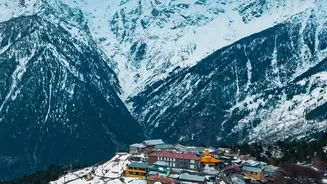
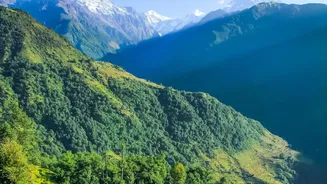
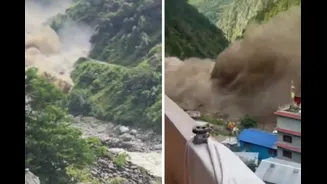
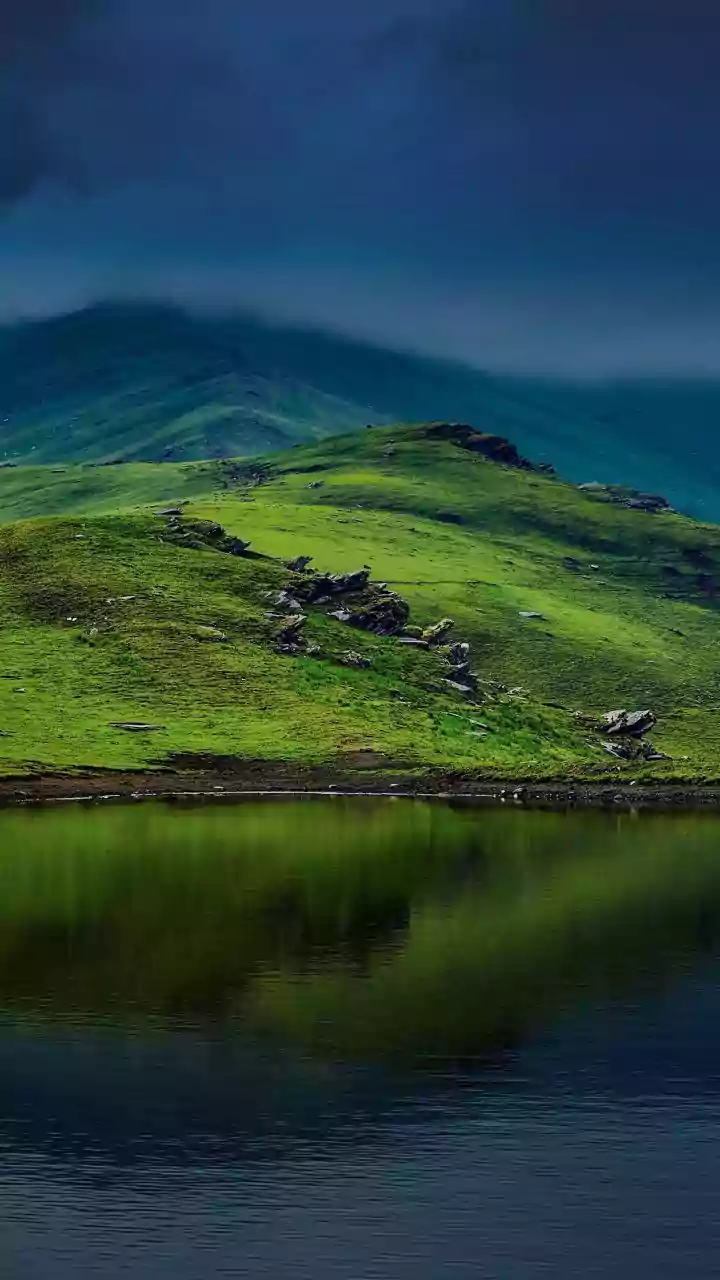
The same tectonic uplift that creates seismic risk also sculpted Nepal’s defining feature: its steep, mountainous terrain. While beautiful, these slopes are often geologically fragile and unstable. Earthquakes can violently shake these vulnerable slopes, triggering thousands of landslides and avalanches in a single event. But even without a quake, the slopes pose a significant risk. The annual monsoon season, which delivers about 80% of Nepal's rainfall, saturates the ground, making the soil heavy and unstable. This combination of steep inclines and intense rainfall makes landslides a common and deadly occurrence, especially in the country's hilly regions.
Rivers That Carve and Carry
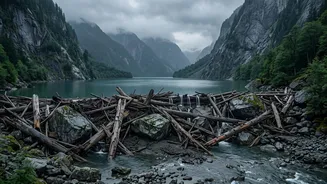
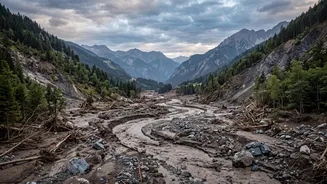
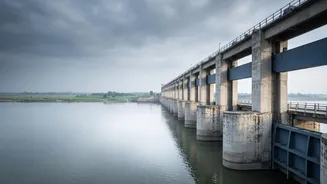
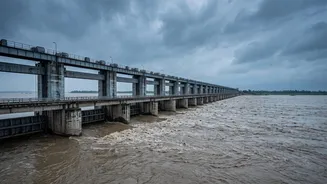
Flowing from the high Himalayas, Nepal's more than 6,000 rivers and rivulets are the lifeblood of the nation, but they also act as powerful agents of erosion. Fed by monsoonal rains and melting glaciers, these rivers carve through the landscape, undercutting the base of the already-fragile slopes and further increasing the risk of landslides. When landslides do occur, they often tumble into these rivers, creating natural dams. These dams can block a river's flow for hours or days, causing water to build up behind them. When the dam inevitably bursts, it unleashes a catastrophic flash flood of water and debris that surges downstream, wiping out everything in its path.
A Compounding Crisis
The true nature of Nepal's disaster threat lies in how these forces compound one another. An earthquake can trigger a landslide, which can then dam a river, leading to a devastating flood. This is what experts call a cascading disaster. Adding another layer of risk is climate change. Rising global temperatures are causing Himalayan glaciers to melt at an accelerated rate. This not only increases the volume of water in rivers but also creates large, unstable glacial lakes high in the mountains, often dammed only by loose rock and ice. An event like an avalanche or a quake can cause these dams to fail, resulting in a Glacial Lake Outburst Flood (GLOF), a type of inland tsunami that can be particularly destructive.