





Kanda Bhaji from Maharashtra
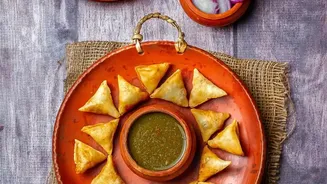
In the western state of Maharashtra, the arrival of monsoon is synonymous with the sizzle of Kanda Bhaji. These are crispy, deep-fried onion fritters, unlike the round pakoras found elsewhere. Thinly sliced onions are mixed into a spiced gram flour batter
and fried until golden and crunchy. The sharp sweetness of the onion pairs perfectly with the savoury, fragrant batter, often seasoned with carom seeds and turmeric. Enjoyed hot, often with a side of dry garlic chutney and fried green chillies, these fritters are the ultimate comfort food. The combination of a piping hot, crunchy bhaji while watching the rain fall is an experience cherished from roadside stalls in Mumbai to family homes in Pune.
Khichuri and Ilish from Bengal
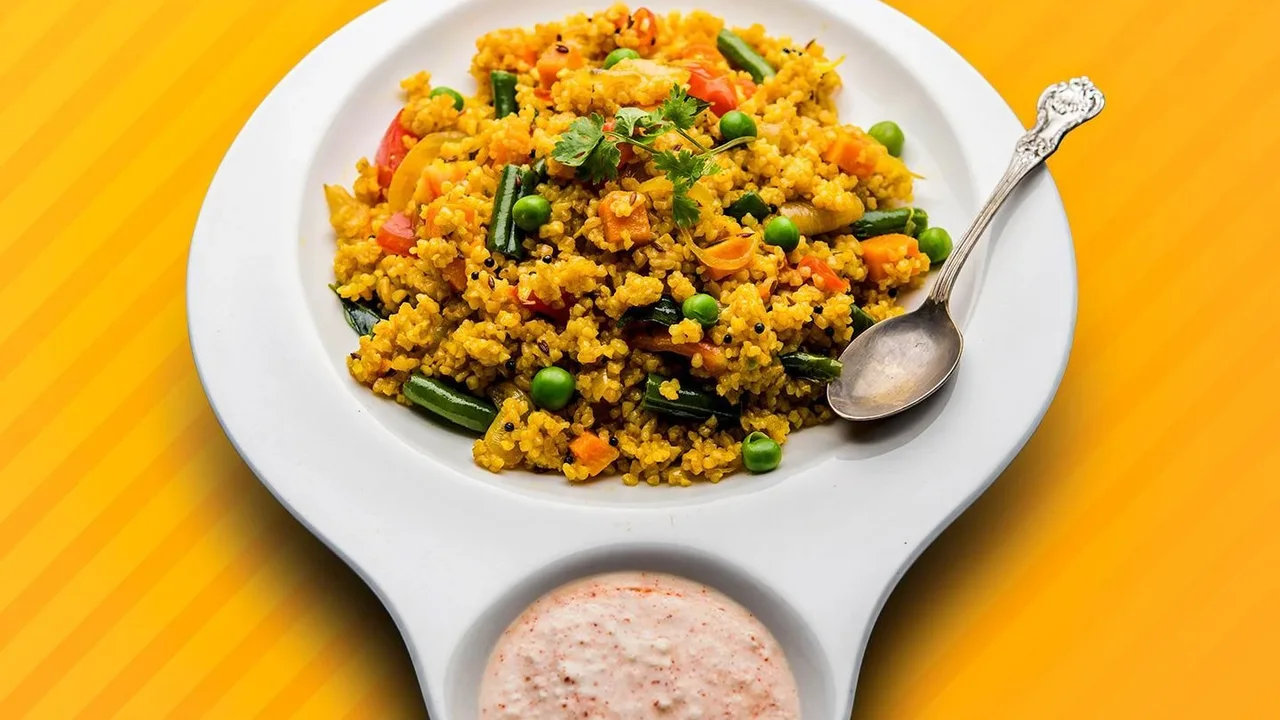
For Bengalis, the monsoon is incomplete without the classic pairing of Bhog'er Khichuri and Ilish Maach Bhaja. The khichuri is a flavourful, porridge-like dish made from roasted moong dal and gobindobhog rice, spiced with ginger, turmeric, and whole garam masala, and enriched with ghee. It is the perfect warm and hearty meal for a gloomy, wet day. The crowning glory is the side of Ilish, or Hilsa, a fish that is at its most flavourful during the monsoon as it swims upstream to spawn. Fried until its skin is crisp and the flesh is tender and oily, the distinct flavour of the Hilsa provides a luxurious contrast to the comforting khichuri, making it a celebrated seasonal feast.
Karkidaka Kanji from Kerala
Moving south to Kerala, the monsoon, known as Karkidakam, is traditionally a time for rejuvenation and wellness. This is embodied by Karkidaka Kanji, a medicinal rice gruel. It's not just a dish but a cornerstone of monsoon wellness in Ayurveda. Made with a special variety of red rice, coconut milk, and a mixture of potent herbs and spices like fenugreek, dry ginger, and cardamom, this porridge is designed to boost immunity, aid digestion, and fight the dampness-related ailments common in the season. Consumed typically for a week or more during the Karkidakam month (July-August), it’s a prime example of how traditional food culture is deeply intertwined with seasonal health.
Ghevar from Rajasthan
While most monsoon cravings are for savoury and fried foods, Rajasthan offers a spectacular sweet treat. Ghevar, a disc-shaped honeycomb cake made from a batter of refined flour and ghee, is intrinsically linked with the monsoon festivals of Teej and Raksha Bandhan. The porous, crispy texture of the ghevar is perfect for soaking up the sugar syrup it's dipped in. Often topped with rabri (thickened sweet milk), slivered almonds, and pistachios, it is a rich and indulgent dessert. Its preparation is an art, and its availability is limited to this specific time of year, making it a much-anticipated seasonal delicacy that brings families together.
Bhutta on the Streets
Perhaps the most pan-Indian monsoon snack is the humble Bhutta, or corn on the cob, roasted over a glowing coal fire. You can find street vendors fanning embers on almost every corner, the aroma of roasting corn filling the damp air. Once charred to perfection, the corn is rubbed with a slice of lemon dipped in a mixture of salt, red chilli powder, and sometimes chaat masala. This simple combination of smoky, sweet, tangy, and spicy flavours is the very essence of the season for many. It’s a snack that’s enjoyed on the go, often while huddled under an awning, making it a quintessential part of the monsoon street food experience across the country.
Bamboo Shoot Dishes from the Northeast
In Northeast India, the monsoon brings a bounty of fresh, tender bamboo shoots. This unique ingredient, with its pungent, slightly fermented flavour, is the star of many regional dishes. In Nagaland, a classic preparation involves cooking fresh bamboo shoots with pork and fiery Raja Mircha (ghost peppers). In Assam, it's used in 'Khorisa' to flavour dals and fish curries. The shoots are harvested during this season, and their distinctive taste adds a complex, earthy dimension to the food. These dishes showcase a completely different palate of monsoon cuisine, one that is rooted in the forest produce and indigenous culinary practices of the region, offering a zesty and flavourful counterpoint to the season's humidity.