


Hidden Stop: Jalapão State Park, Tocantins
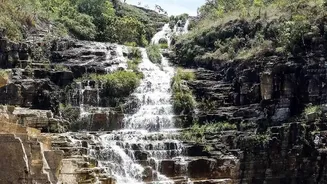
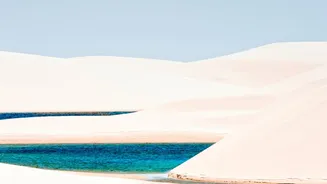
Often called a 'Brazilian desert', Jalapão is a stunning and remote region of savannah, golden sand dunes, and unique natural swimming pools called 'fervedouros'. In these crystal-clear springs, intense water pressure from underground rivers makes it
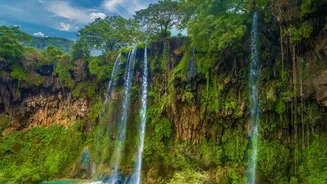
impossible to sink. The landscape is a rugged mix of plateaus, waterfalls like the emerald-green Cachoeira da Formiga, and vast, open spaces.What to Know: Accessing Jalapão requires a 4x4 vehicle, and it's highly recommended to hire a local guide or join a tour from Palmas, the state capital. The best time to visit is during the dry season from May to September. Be prepared for a digital detox, as phone signals and Wi-Fi are scarce.
Hidden Stop: Ilha do Mel, Paraná
A protected ecological paradise off the coast of Paraná, Ilha do Mel (Honey Island) is a tranquil escape with no cars allowed. Visitors explore the island's pristine beaches, hiking trails, and small villages on foot. Key attractions include the Farol das Conchas lighthouse, which offers panoramic views, and the historic Fortaleza de Nossa Senhora dos Prazeres. The island is a haven for surfers and nature lovers seeking a laid-back atmosphere.What to Know: The island has a visitor limit to preserve its environment. Ferries depart from Paranaguá or Pontal do Sul. Accommodation consists mainly of small, charming inns known as 'pousadas'. Bring a torch for getting around at night, as the trails are unlit.
Hidden Stop: Serra da Capivara National Park, Piauí
This UNESCO World Heritage site in Brazil's northeast holds the largest concentration of prehistoric rock art in the Americas. Spread across a semi-arid landscape of canyons and cliffs, the park features over 1,000 archaeological sites with paintings up to 12,000 years old. It offers a unique window into the continent's ancient human history, set within the starkly beautiful 'Caatinga' biome.What to Know: Visiting the park requires hiring an accredited local guide. The gateway city is São Raimundo Nonato. The dry season (May to October) is the best time to visit for hiking. Due to the intense heat, carry plenty of water and explore early in the morning.
Hidden Stop: Presidente Figueiredo, Amazonas
Known as the 'Land of Waterfalls', this town just north of Manaus is an accessible slice of the Amazon's natural wonders. It's famous for its dozens of waterfalls, caves, and jungle trails. Visitors can swim in the cool, dark waters of waterfall pools, explore the Gruta da Judéia cave with its stunning rock formations, and experience the rainforest without venturing deep into remote areas.What to Know: Presidente Figueiredo can be reached by a two-hour bus or car ride from Manaus. Many tours operate as day trips from the city, but staying overnight allows for a more relaxed pace. The area is best visited during the dry season (June to November) when water levels are lower and more beaches and rocks are exposed.
Hidden Stop: Monte Roraima, Roraima
A mystical, flat-top mountain that straddles the border of Brazil, Venezuela, and Guyana, Monte Roraima inspired 'The Lost World'. Its otherworldly landscape is filled with unique rock formations, quartz crystals, and endemic species of plants. The multi-day trek to the summit is challenging but rewards hikers with breathtaking views and an unforgettable adventure in a place that feels like another planet.What to Know: Trekking Monte Roraima requires a guide and proper equipment. The trek usually starts from the Venezuelan side, so check travel advisories and logistical requirements. The hike is strenuous and takes at least six days. The best time to go is the dry season, from December to March.
Beyond the City: Lençóis Maranhenses National Park, Maranhão
This surreal landscape looks like a desert but isn't. For several months a year, the vast expanse of sweeping white sand dunes is filled with thousands of crystal-clear freshwater lagoons. This unique ecosystem was named a UNESCO World Heritage site for its remarkable beauty. Visitors can walk barefoot across the dunes and swim in the warm, turquoise pools.What to Know: The lagoons are at their fullest and most beautiful between May and September, following the rainy season. The main gateway towns are Barreirinhas and Santo Amaro. From São Luís, the state capital, it's a 4-5 hour drive to Barreirinhas.
Beyond the City: Bonito, Mato Grosso do Sul
True to its name, which means 'beautiful', Bonito is Brazil's ecotourism capital. The region is famous for its astonishingly clear rivers, allowing for snorkeling and diving experiences where you can float alongside vibrant fish. Other activities include exploring stunning caves like the Gruta do Lago Azul and rappelling down waterfalls. Tourism here is highly organized to protect the fragile environment, with visitor numbers at each attraction strictly controlled.What to Know: All tours must be booked in advance through a local tourism agency via a voucher system. Spontaneous visits to attractions are not possible. The dry season (May to September) offers the best water visibility.
Beyond the City: Chapada Diamantina National Park, Bahia
This massive national park in the heart of Bahia is a paradise for hikers and nature lovers. Its dramatic landscape features towering plateaus (chapatas), deep canyons, extensive cave systems, and some of Brazil's tallest waterfalls, like the Cachoeira da Fumaça. The gateway town of Lençóis, a former diamond-mining hub, retains its colonial charm.What to Know: The park is huge, so plan your itinerary around specific attractions. You can visit year-round, but the dry season (May to September) is best for long treks like the famous Vale do Pati hike. Many attractions require a guide.
Beyond the City: Inhotim, Minas Gerais
Just outside Belo Horizonte, Inhotim is one of the world's largest open-air contemporary art museums, seamlessly blending art with nature. Monumental installations from international artists are set within a stunning botanical garden that spans 140 hectares. Visitors can wander through lush landscapes, discovering galleries and sculptures nestled among thousands of plant species.What to Know: Inhotim is located in the town of Brumadinho, about a 90-minute drive from Belo Horizonte. The park is vast, so plan for a full day, or even two, to see everything. Electric carts are available to help cover the long distances between galleries. Admission is free on certain days, but booking in advance is wise as visitor numbers are capped.
Beyond the City: The Pantanal, Mato Grosso do Sul
While the Amazon is more famous, the Pantanal offers far better opportunities for wildlife viewing. As the world's largest tropical wetland, it is home to an incredible density of fauna, including capybaras, giant otters, caimans, and the highest concentration of jaguars on the continent. Safaris are often done by boat, vehicle, or on horseback.What to Know: The dry season, from July to November, is the best time to visit, as animals congregate around the remaining water sources, making them easier to spot. The Pantanal is divided into northern and southern regions, accessed via Cuiabá and Campo Grande, respectively. The Northern Pantanal is particularly famous for jaguar sightings.