




Your Garden's Organic Guardian
The single most versatile tool for an organic balcony gardener is Neem oil. Derived from the seeds of the Neem tree (Azadirachta indica), this natural oil has been used for centuries in agriculture to manage pests. [1] Its power lies in a compound called
azadirachtin, which works not by being a toxic poison, but by disrupting the life cycle of many common garden pests. [5, 13] It can prevent insects from feeding, stop their growth and reproduction, and even suffocate them on contact, making it a multi-action solution for your vegetable patch. [5, 10, 20] Because it's biodegradable and plant-based, it's a go-to for gardeners who want to avoid synthetic pesticides. [1, 20]
What Pests Does It Handle?
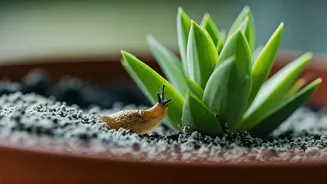
A small balcony garden can host a surprising number of unwanted guests. Luckily, Neem oil is effective against a broad spectrum of the most common ones. It's particularly good at managing small, soft-bodied insects that suck the life out of your plants. [5] This includes pests like aphids, spider mites, whiteflies, mealybugs, and thrips. [3, 16] It can also help control the larval stages of chewing insects like certain caterpillars. [8, 16] Beyond insects, Neem oil is also known to help suppress some common fungal diseases like powdery mildew, black spot, and rust by preventing spores from germinating. [2, 10, 16] This dual action as both a pesticide and a fungicide makes it an incredibly efficient choice for keeping your balcony vegetables thriving. [16]
The Simple DIY Spray Recipe
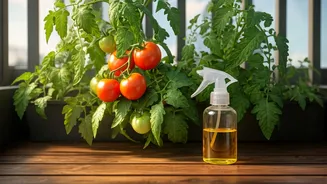
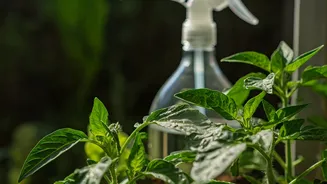
Mixing your own Neem spray is incredibly simple and much more cost-effective than buying pre-mixed versions. For a standard one-litre spray bottle, here is a common and effective recipe. [2, 11] Start with one litre of warm water; warm water helps the oil mix more easily. Add one to two teaspoons of pure, cold-pressed Neem oil. [1, 11] The concentration can be adjusted, using one teaspoon for preventative care and two for an active infestation. [2, 13] Next, add about half a teaspoon of a mild, biodegradable liquid soap, like castile soap. [11] Do not use soap with bleach or degreasers. The soap acts as an emulsifier, allowing the oil and water to mix properly instead of separating. [12] Secure the lid and shake the bottle vigorously. You will need to shake it periodically during application to keep the mixture combined. [2, 7]
How to Apply It Correctly
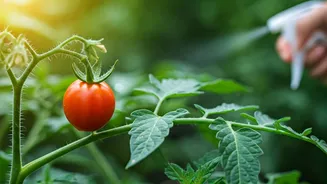
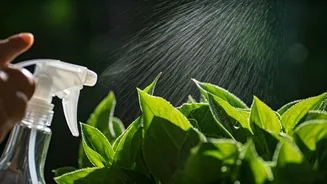
Proper application is key to success and to keeping your plants safe. The best time to spray is in the early morning or, even better, in the late evening. [1, 8, 10] Applying Neem oil in direct, hot sun can cause the leaves to burn. [8] Before you spray the entire plant, always do a patch test. Spray a single leaf and wait 24 to 48 hours to check for any signs of sensitivity or damage. [4, 8, 13] If the leaf looks fine, you can proceed. When spraying, be thorough. Pests love to hide on the undersides of leaves and in the joints between stems, so make sure to coat all surfaces of the plant until they are dripping wet. [1, 6, 7] For an active pest problem, reapply the spray every five to seven days. For prevention, spraying every 14 days is usually sufficient. [1, 5]
Important Precautions to Remember
While Neem oil is organic, it's not completely benign and should be used responsibly. It can be harmful to fish and amphibians, so avoid any runoff into ponds or waterways. [5] It can also harm beneficial insects, including bees and ladybugs, if they are sprayed directly. [1, 5] This is another reason why spraying in the evening is recommended, as most pollinators are inactive at that time. [6, 12] Avoid spraying open flowers to further protect bees. [1] Store your concentrated Neem oil in a cool, dark place, and only mix as much spray as you need for one application, as the mixture degrades and loses effectiveness over time. [2, 12] Always wash your vegetables thoroughly before eating them, as you would with any produce. [1]