




Every December, Nagaland transforms. The Hornbill Festival isn't just an event; it's a vibrant explosion of culture where ancient traditions meet modern rhythms. This 'Festival of Festivals' is how a state shares its soul with the world.
The Festival of Festivals
The Hornbill Festival,
scheduled from December 1 to 10, 2026, is Nagaland's landmark cultural event. Conceived in 2000 by the state government, its primary goal was to create a single platform to showcase the incredible diversity of its tribal communities. Named after the revered hornbill bird—a symbol of grandeur and a prominent figure in Naga folklore—the festival's mission is to preserve Nagaland's rich heritage and foster inter-tribal unity. It's an ambitious effort to bring all of the state's major tribes together, allowing visitors and Nagas alike to experience the full spectrum of their distinct cultures, languages, and customs in one place.
A Living Museum of Naga Heritage
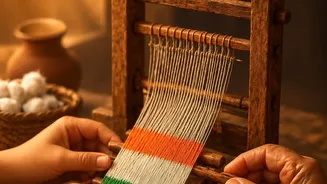
The heart of the festival beats in the specially constructed Naga Heritage Village at Kisama, about 12 kilometres from the capital, Kohima. This sprawling venue is designed to be a living museum. Each of Nagaland's tribes maintains its own 'morung,' or traditional youth dormitory, a meticulously reconstructed house made from natural materials like bamboo and wood. These morungs are more than just exhibits; they are active hubs where each tribe showcases its unique architecture, social life, and traditions. Visitors can step inside, interact with tribal members, and witness daily rituals, from weaving stinging nettle fibre shawls to hearing stories passed down through generations.
The Spectacle of Sound and Dance
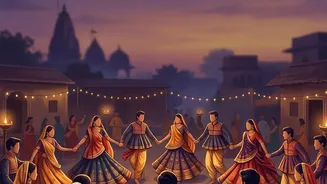
The daytime schedule at Kisama is a whirlwind of cultural performances. From 9:30 AM onwards, the main arena comes alive with the sounds of log drums, warrior chants, and folk songs. Troupes from different tribes, adorned in their vibrant and intricate traditional attire, perform dances that tell stories of war, harvest, and community life. You might witness the raw energy of an Ao war dance performed to drum beats, a soulful lullaby sung by Konyak women, or a celebratory dance by the Sangtam tribe. These performances are not just for entertainment; they are a powerful expression of identity, history, and the values that define each community.
Where Modern Rhythms Meet Ancient Hills
While tradition takes centre stage during the day, the evenings belong to contemporary music. The Hornbill Music Festival has become a major highlight, drawing rock and indie bands from across India and beyond. Often held in Kohima, this part of the festival features everything from local folk-fusion artists to high-decibel rock contests, with concerts running late into the night. This blend of old and new is what makes Hornbill unique; it’s a space where a ceremonial Naga song can coexist with an electric guitar solo, reflecting the dynamic identity of modern Nagaland.
A Feast of Flavours and Crafts
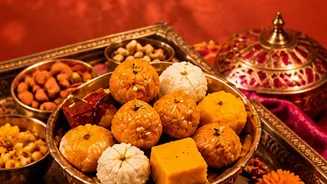
No festival is complete without food, and Hornbill offers a true feast for the senses. Food stalls across the Heritage Village serve a wide array of Naga delicacies, giving visitors a chance to taste smoked pork with bamboo shoot, dishes made with 'axone' (fermented soybean), and the local rice beer, 'Zutho'. Alongside the food, a bustling craft bazaar showcases the incredible skill of Naga artisans. You can find everything from traditional beaded jewellery and hand-woven shawls to intricate wood carvings and bamboo crafts, offering a direct way to support local craftspeople and take a piece of Naga heritage home.
More Than Just a Party
The Hornbill Festival's impact extends far beyond the ten days of celebration. It has become a significant driver for Nagaland's economy, generating substantial revenue and creating thousands of jobs. According to government officials, a recent edition of the festival was estimated to have generated between ₹200–300 crore in economic activity, primarily through tourism. The festival has successfully placed Nagaland on the global tourism map, providing a vital platform for local entrepreneurs and artisans. It acts as a bridge, connecting Nagaland's unique culture with the outside world while fostering a sense of pride and unity among its own people.