



The Monsoon's Delayed Departure
Typically, the southwest monsoon begins its retreat from northwest India around mid-September. This year, the process is slightly delayed, with withdrawal only commencing around September 19 from West Rajasthan. While this might seem like a minor shift,
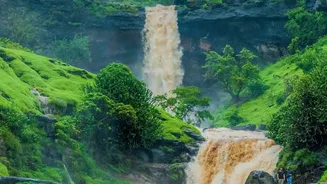
it has broader implications. The India Meteorological Department (IMD) has noted that even as the monsoon withdraws from one part of the country, active weather systems are continuing to bring rain elsewhere. For instance, a new low-pressure area forming over the Bay of Bengal is expected to keep the monsoon active over central, eastern, and southern India, meaning the rainy season will linger longer than usual in these regions.
Which Regions Are Most Affected?
The impact of this extended wet season is not uniform. Several states across southern, eastern, and central India are on alert for heavy rainfall, thunderstorms, and strong winds. The IMD has issued warnings for coastal Andhra Pradesh, Odisha, Kerala, and Karnataka, with some areas bracing for very heavy showers. Seven districts in Kerala were placed under a yellow alert, signifying heavy rainfall, as the state tries to make up for a significant monsoon deficit. Meanwhile, eastern states like West Bengal, Jharkhand, and Chhattisgarh are also expecting fairly widespread rain. In the Himalayas, the situation is more precarious. The combination of rising temperatures and erratic, intense rainfall has increased the risk of landslides and flash floods, as seen in recent devastating events in and around Nepal. While these events are extreme, they highlight the growing instability in ecologically sensitive mountain regions during this transitional weather period.
The Real-World Impact on Travel
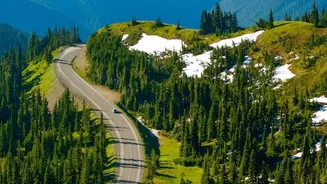
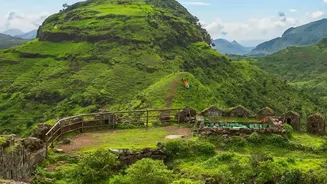
For travellers, this unpredictable weather translates into a host of potential problems. Popular monsoon getaways like Lonavala, Coorg, and Munnar, which are usually pristine in the post-monsoon period, may still be experiencing heavy downpours, leading to waterlogged roads and diminished views. Access to hill stations, particularly in states like Uttarakhand and Himachal Pradesh, can become hazardous due to the heightened risk of landslides. Flights and trains can face delays or cancellations, and road trips can be disrupted by closures. Even activities like trekking in the Valley of Flowers, which depends on a specific blooming season, can be affected by unseasonal weather. The dream of a serene houseboat cruise in Kerala's backwaters or exploring the now-green lakes of Udaipur might be dampened by persistent rain and humidity. Authorities are advising travellers to remain vigilant, check forecasts frequently, and be prepared for last-minute changes to their itineraries.
How to Plan for the Unexpected
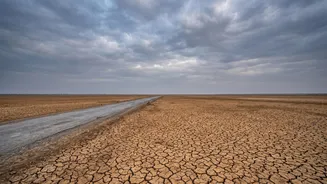
Despite the challenges, you don't have to cancel your travel plans entirely. Instead, the key is to be informed and flexible. Before booking, and again before departing, check the latest advisories from the IMD and local authorities for your destination. Opt for flexible bookings for flights and hotels that allow for changes or cancellations without a heavy penalty. Travel insurance that covers weather-related disruptions is also a wise investment. Consider shifting your destination to regions where the monsoon has withdrawn more cleanly. As of late September, northwest India is seeing drier conditions emerge. Alternatively, destinations like Ladakh, which lie in a rain shadow area, remain perfect for travel during this period. If your heart is set on a destination prone to rain, have backup indoor activities planned and pack appropriate rain gear. The goal is to adapt to the conditions rather than be caught off guard.