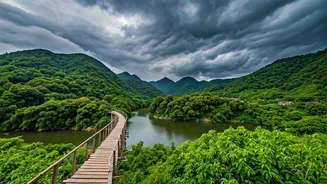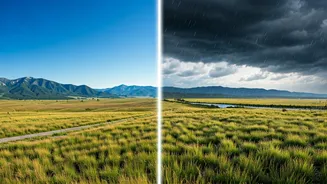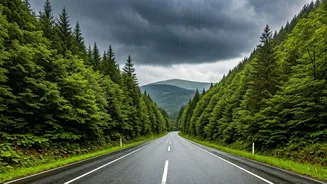




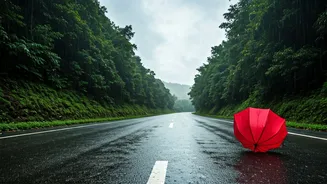




Embrace a Risk-Aware Mindset
Successful monsoon travel begins with a mental shift from simply checking the weather forecast to adopting a risk-based approach. This means understanding that heavy rains impact more than just your sightseeing schedule; they stress infrastructure, disrupt
transport, and create health hazards. Planning should involve assessing the specific risks of your chosen destination. Is it a hilly region prone to landslides, like parts of Himachal Pradesh or Uttarakhand? Or a coastal area where high tides and flash floods are a concern? A risk-aware plan isn't about expecting the worst, but about being prepared for what is reasonably possible, ensuring you can adapt and stay safe.
Choose Your Destination Wisely
Not all destinations are created equal during the monsoon. While places like Coorg, Munnar, and parts of Rajasthan can be stunningly beautiful and relatively safe, others pose significant risks. Mountainous regions in states like Uttarakhand, Himachal Pradesh, and Sikkim are often susceptible to landslides and road blockages, which can leave travellers stranded. Similarly, cities known for major water-logging, such as Mumbai, can see transport systems grind to a halt. Before booking, research the specific vulnerabilities of your intended destination. Look for recent news reports, check local disaster management authority websites, and consider places known for their lush beauty without the high risk of infrastructure failure.
Prioritise Health and Hygiene
The monsoon season is a prime time for waterborne and mosquito-borne diseases. High humidity and stagnant water create breeding grounds for mosquitoes carrying dengue, malaria, and chikungunya. Contaminated water sources increase the risk of cholera, typhoid, and other gastrointestinal infections. Your planning must include a robust health strategy. Pack insect repellent, consider sleeping under a mosquito net, and wear long-sleeved clothing, especially in the evenings. Be extremely cautious with food and water; avoid street food, raw or undercooked items, and drink only bottled or properly purified water. It's also wise to carry a first-aid kit with medications for common ailments like fever, diarrhoea, and fungal infections. Before you travel, consulting a doctor for advice on necessary vaccinations is a crucial step.
Pack for Resilience, Not Just Rain
Your packing list needs to anticipate monsoon-specific problems. Beyond a good raincoat and umbrella, think about materials and protection. Pack lightweight, synthetic clothes that dry quickly, as cottons can remain damp and develop a musty odour. Waterproof footwear with a good grip is non-negotiable to navigate slippery surfaces and protect your feet from infections. Protecting your valuables is equally important. Use waterproof bags or ziplock pouches for your electronics, documents, and cash. Given the higher likelihood of power cuts, a fully charged power bank is an essential item to keep your phone—your link to information and help—operational.
Build Flexibility Into Your Itinerary
The one certainty of monsoon travel is unpredictability. Flights can be delayed due to poor visibility, trains can be rerouted around flooded tracks, and roads can be closed for hours or even days. A rigid, tightly packed itinerary is a recipe for stress. Instead, build buffer days into your schedule. If you have an important event or a connecting flight, plan to arrive at least a day early. Stay updated with real-time information from airline apps and local news. Have backup plans for accommodation and activities. Sometimes, the best course of action is to stay put, enjoy a cup of chai at your hotel, and watch the rain, rather than venturing out into risky conditions. This flexible mindset is the key to truly enjoying the serene, unhurried pace of a monsoon journey.