


A Winter Superfood
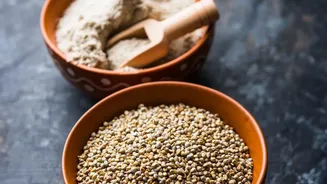
Bajra, or pearl millet, is a powerhouse of nutrients, making it an ideal grain for the colder months. It is prized for its ability to provide warmth and sustained energy. Being a complex carbohydrate, it digests slowly, ensuring you feel energised throughout
the day without sudden spikes in blood sugar. This grain is also naturally gluten-free, making it an excellent choice for those with gluten sensitivity or celiac disease. Rich in essential minerals like magnesium, iron, and phosphorus, bajra supports everything from heart health to bone strength. Its high fibre content aids digestion, a common concern during less active winter months, and promotes a feeling of fullness that can help manage weight.
The Art of Making Bajra Roti
Making Bajra Roti can seem intimidating because the flour is gluten-free, which means the dough can be prone to cracking. However, the secret to a soft and pliable dough lies in a few key techniques. The most important tip is to use hot water when kneading. Hot water helps release the starches in the flour, making the dough easier to handle. It is also best to knead the dough for only one or two rotis at a time, as it tends to stiffen as it cools. Freshly milled flour makes a significant difference, as older flour can be dry and bitter.
Simple Ingredients
The beauty of Bajra Roti lies in its simplicity. You only need a few basic ingredients to get started. For about four to five rotis, you will need approximately one cup of bajra flour, about three-quarters of a cup of hot water, and a pinch of salt. Many recipes also suggest adding a teaspoon or two of oil or ghee to the dough for extra softness. Keeping some extra flour for dusting is also essential.
A Step-by-Step Guide
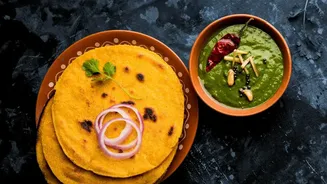
First, bring the water to a near boil. In a wide bowl, combine the bajra flour and salt. Slowly add the hot water to the flour, mixing with a spoon initially to avoid burning your hands. Once it's cool enough to handle, knead a portion of the dough with the heel of your palm for a few minutes until it is smooth and pliable. Take a small ball of dough and flatten it between your palms. You can pat it into a round shape using your hands, which is the traditional method. For beginners, placing the dough ball between two sheets of parchment paper or inside a ziplock bag and gently using a rolling pin can make the process easier. Cook the roti on a hot tawa over medium-high heat. Cook for about 30-40 seconds on the first side, then flip. Press gently with a cloth to help it cook evenly. Once you see golden-brown spots on both sides, it's ready.
Perfect Pairings
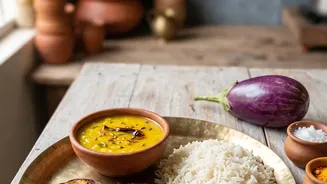
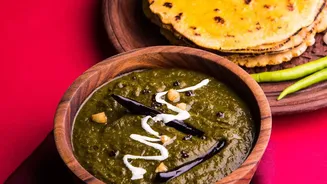
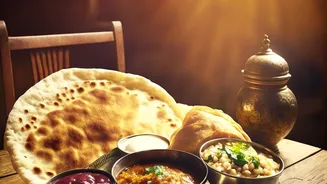
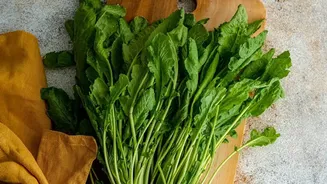
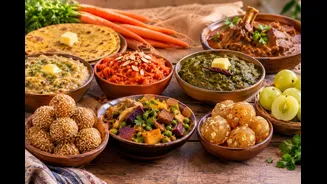
Bajra Roti has a distinct, earthy flavour that pairs wonderfully with a variety of winter dishes. The classic combination in many North Indian homes is Bajra Roti with a generous dollop of white butter (makkhan) and a piece of jaggery (gur). For a complete meal, it is traditionally served with hearty curries and vegetables. In Rajasthan, it's often eaten with lehsun ki chutney (garlic chutney) and ker sangri. In Punjab and Haryana, it is a perfect match for sarson ka saag. Other excellent accompaniments include baingan bharta (smoky eggplant mash), any seasonal dal, or a simple vegetable sabzi. A side of yogurt or buttermilk helps to balance the warming nature of the millet.