






The Foundation: A Waterproof Backpack
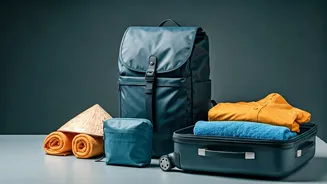
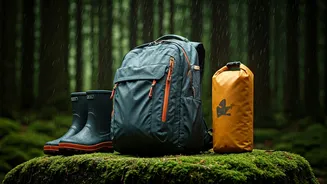
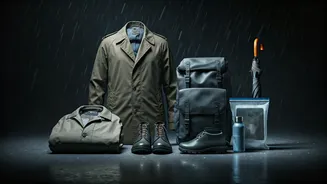
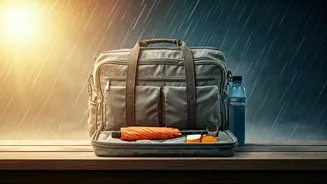
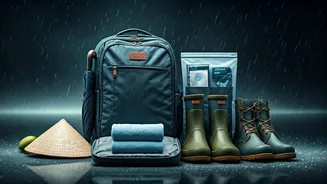
Your all-weather strategy begins with the bag itself. A simple canvas tote won’t suffice when thunderstorms roll in. Invest in a waterproof or highly water-resistant backpack. [8] Look for features like sealed zippers or a roll-top closure for maximum
protection against rain. [8] Many modern backpacks designed for commuting or hiking are made from durable, water-resistant fabrics like ripstop nylon or polyester. [17] For complete peace of mind, especially during a heavy monsoon downpour, get a separate rain cover that can wrap around the entire bag, ensuring your electronics and other valuables stay perfectly dry. [3, 8] A padded internal compartment is another crucial feature, protecting a laptop or tablet from both moisture and bumps. [8, 21]
Outerwear: The Breathable Rain Jacket
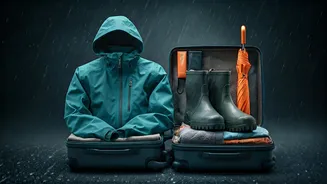
The key to all-weather outerwear is finding a layer that can handle rain without turning into a personal sauna in the heat. The ideal choice is a lightweight, breathable, and waterproof jacket. [4] Avoid heavy, non-breathable materials. Instead, look for jackets described as "packable," which can be folded down into a small pouch and easily stored in your bag. [2, 9] This single item serves multiple purposes: it keeps you dry during a downpour, acts as a windbreaker on a breezy evening, and is light enough to carry without being a burden when the sun is out. [4, 6] This is far more practical than a bulky umbrella, which can be difficult to manage in windy conditions.
Tech and Safety: Power and Light
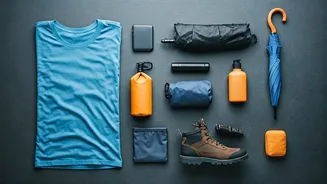
Thunderstorms often bring the risk of power cuts. A fully charged power bank is non-negotiable in your modern essentials kit. [10] It ensures your phone—your connection to emergency services, maps, and loved ones—remains operational. Also, consider including a small, powerful LED flashlight. [5] While a phone has a flashlight function, a dedicated torch saves your phone’s battery for communication and is often more powerful. [14] To protect these electronics from water damage, keep them inside waterproof plastic ziplock bags within your main backpack. [5] This simple, inexpensive step provides an extra layer of crucial security.
Footwear and Clothing: Practicality First
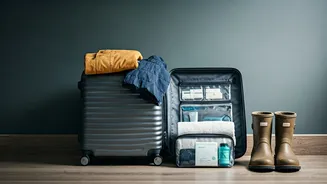
Soggy shoes are not only uncomfortable but can also lead to skin issues. While you can't always fit a spare pair of shoes in a day bag, you can make smart choices. If you anticipate rain, wear footwear made from rubber or other waterproof materials that can handle puddles. [3] For clothing, layering is key. [2, 6] Start with lightweight, breathable fabrics like cotton or linen blends that are comfortable in the heat. [9] Adding a light long-sleeved layer or a scarf can provide warmth if the temperature drops after the rain. [2] Quick-dry fabrics, often found in activewear, are an excellent choice as they won't stay damp for long if you do get caught in a shower. [11]
Health and Comfort: Sun, Hydration, and First Aid
Even on a cloudy day, UV rays can be strong. Always carry sunscreen with a minimum SPF of 30 to protect your skin. [10, 12] A wide-brimmed hat and sunglasses are also essential for sun protection. [2, 10] Dehydration is a risk in hot weather, so a reusable water bottle is a must-have. [9, 10] Collapsible bottles are a great space-saving option. [2] Finally, a small first-aid kit containing essentials like antiseptic wipes, bandages, pain relievers, and any personal medications is invaluable. [7, 18] During the monsoon, it's also wise to include an insect repellent. [5]