






The Age-Old Problem for Freshers
For decades, landing a first job in India's competitive market has been a significant challenge for recent graduates. Recruiters often prioritise candidates with demonstrated experience, leaving freshers with strong academic records but limited practical
exposure at a disadvantage. A resume can list skills like Python or data analysis, but it struggles to prove capability. This 'experience gap' creates a frustrating paradox where the very thing required to get hired is what new candidates lack. The traditional advice to simply 'build projects' often falls short, as students may not know what projects employers value or how to present them professionally. This leaves many talented individuals struggling to get their foot in the door.
Enter AI-Powered Portfolio Builders
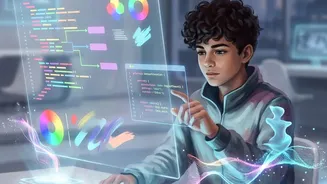
AI-assisted portfolio applications are emerging as a powerful solution to this problem. These are not just simple resume builders or website templates. Instead, they are intelligent tools designed to help candidates structure, articulate, and showcase their work in a professional format. By inputting information from a resume, LinkedIn profile, or project descriptions, these platforms can automatically generate a structured, multi-page portfolio website. The key function is converting academic assignments, personal projects, and even hackathon participation into compelling case studies that mirror professional experience. This moves a candidate's application beyond a static PDF resume into a dynamic, credible online presence that recruiters can easily review.
Translating Potential into Provable Skills
The real magic of these tools lies in their ability to translate raw potential into provable skills. An AI can analyse a college project, such as a marketing plan or a simple web application, and help the user describe the problem they solved, the methods they used, and the results they achieved. For instance, a tool might prompt a user to articulate the 'business problem' their engineering project addressed or to highlight the 'measurable outcome' of their data analysis assignment. This process helps candidates reframe their academic work through a professional lens, demonstrating critical thinking and problem-solving abilities that recruiters actively seek. In a job market where 70% of employers are shifting towards skills-based hiring, this proof of competence is more valuable than ever.
Crafting a Narrative, Not Just a List
A strong job application tells a story. AI tools assist freshers in becoming better storytellers. They can help generate polished descriptions, summarise complex technical details, and structure a portfolio to highlight a candidate's unique strengths. For example, a candidate can use an AI assistant to write a compelling script for a short video walkthrough of their project, a format that is far more engaging than a simple text description. By presenting their work as a series of well-documented case studies, freshers can build a professional brand that showcases their journey, their learning process, and their readiness for a professional role. A recent Canva report noted that a vast majority of Indian job seekers—87%—are already using AI to draft or enhance their resumes, signaling a major shift in how candidates present themselves.
A Word of Caution: Authenticity is Key
While these tools are incredibly powerful, they come with a crucial caveat: they are meant to enhance, not invent. The core experience and the projects themselves must be authentic. Recruiters are becoming increasingly aware of AI-generated content, and they can spot fraudulent claims. The goal is to use AI as a co-pilot to help you articulate your real achievements, not to create a fictional version of yourself. Over-reliance on AI without personal input can lead to a generic portfolio that lacks personality and fails to stand out. Experts advise using these tools as a starting point, a way to build a strong first draft, but always ensuring the final product reflects your unique voice, skills, and genuine experience.