




The Constant Struggle in the Vineyard
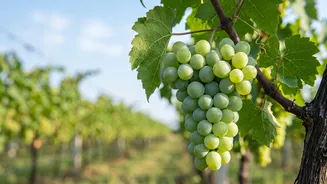
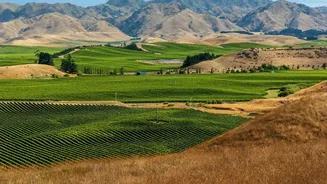
For generations, grape farmers in the Nashik district have navigated a host of challenges to bring their produce to market. Grape cultivation is a complex and costly affair, made riskier by erratic weather patterns like unseasonal rain and hailstorms,
which can damage crops and reduce both quality and quantity. Farmers constantly scout their fields for early signs of fungal diseases and pest infestations, a labour-intensive process where missing a small problem can lead to significant losses. Beyond natural threats, security is another concern, requiring vigilance to protect the valuable harvest from theft. These combined pressures not only impact a farmer's livelihood but also threaten the stability of a multi-crore industry.
What Exactly Is a Computer Vision Drone?
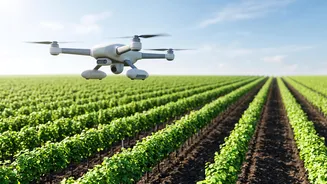
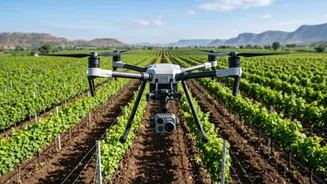
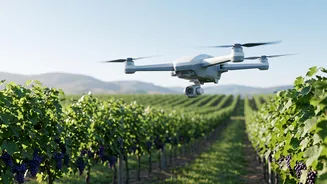
Think of a regular drone as a flying camera. Now, give that camera a 'brain'—that’s essentially a computer vision drone. These unmanned aerial vehicles (UAVs) are equipped with advanced sensors and cameras, such as multispectral or thermal imagers. But the real magic happens in the processing. The 'computer vision' component uses artificial intelligence (AI) to analyze the images the drone captures in real-time. Instead of just showing a farmer a picture of their field, it can identify specific issues: that patch of leaves shows signs of water stress, those plants might have a fungal infection, or that object moving near the fence line at night isn't a farm animal. It turns raw data into actionable intelligence.
A 24/7 Sentry for Your Vines
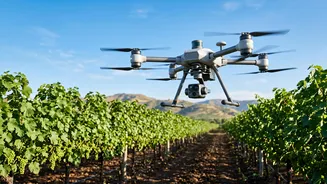
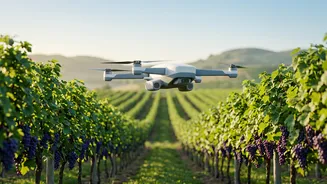
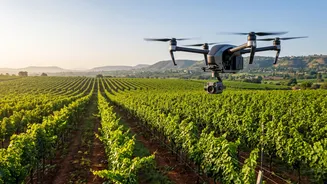
The most direct benefit is enhanced security. Drones can be programmed to conduct autonomous surveillance patrols over large vineyards, day or night. Equipped with thermal cameras, they can easily detect the heat signature of a person or vehicle in areas where they shouldn't be, triggering alerts for the farmer. This provides a level of monitoring that is difficult and expensive to achieve with traditional ground-based security. The mere presence of a patrolling drone can also act as a powerful deterrent. But this security extends beyond just human threats. Drones can help monitor for animal incursions that might damage crops, giving farmers a comprehensive security overview of their entire property.
Seeing What the Human Eye Misses
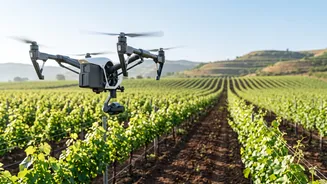
This technology's 'smarter' aspect lies in its ability to monitor crop health with incredible precision. Multispectral sensors can analyze how plants reflect different wavelengths of light, revealing signs of stress long before they are visible to the naked eye. This allows for the early detection of diseases, nutrient deficiencies, and pest infestations. By catching these problems at an early stage, farmers can intervene precisely when and where it's needed, preventing widespread damage. Similarly, thermal cameras can identify variations in temperature across the vineyard, pointing out areas that are getting too much or too little water, enabling farmers to optimize irrigation and conserve a precious resource.
From Targeted Data to Targeted Action
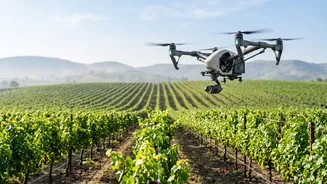
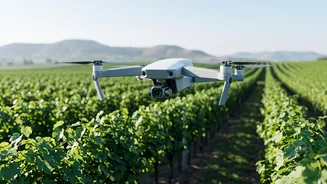
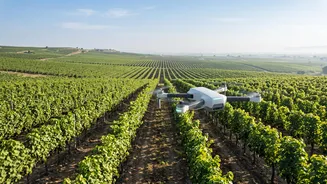
Computer vision drones don't just find problems; they help solve them efficiently. The data collected is used to create detailed maps of the vineyard, pinpointing specific zones that require attention. This enables 'precision agriculture'. Instead of blanket-spraying an entire field with pesticides or fertilizers, a drone can be dispatched to apply treatment only to the affected plants. This targeted approach significantly reduces the amount of chemicals used, lowering costs for the farmer and minimizing environmental impact. Local startups in Nashik are already developing indigenous software to help farmers map their fields, specify spray quantities, and avoid obstacles, making this technology more accessible and user-friendly.
The Economic Equation for Farmers
The initial investment for a high-end agricultural drone can be significant. However, the return on investment comes from multiple avenues. Farmers see substantial savings in labour costs and the reduced use of expensive inputs like water, fertilizers, and pesticides. Studies and farmer reports indicate that drone spraying can be far more economical than manual labour or traditional machinery. More importantly, by enabling early detection of threats and optimizing crop health, drones help increase overall yield and improve the quality of the grapes. For an industry where a single bad season can lead to immense financial distress, this technology offers a powerful tool for risk mitigation and improved profitability.