



2001: A Space Odyssey (1968)
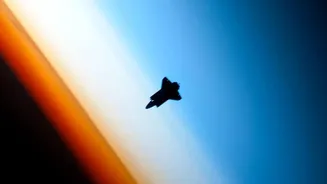
Long before the age of digital effects, Stanley Kubrick set an impossibly high bar for cinematic space travel. Using pioneering practical techniques, the film created a vision of the future so convincing it still holds up today. The iconic weightlessness
was achieved not with computers, but with intricate wirework and clever camera angles. The legendary 'Star Gate' sequence was a psychedelic masterpiece born from an experimental method called slit-scan photography, which involved moving a camera towards artwork with a slit-shaped opening to create flowing, distorted patterns of light and color. This film didn't just simulate space; it created an artistic and philosophical experience, proving that visual effects could be a profound storytelling tool in their own right.
Gravity (2013)
Alfonso Cuarón’s survival thriller is less a movie and more a visceral, heart-pounding experience of being stranded in orbit. The film’s brilliance lies in its seamless blend of live-action and photorealistic CGI. To create the illusion of zero gravity, the actors were placed in a groundbreaking 'Light Box'—a cube lined with millions of LED lights—that could project images of Earth and space onto their faces, perfectly simulating the lighting of an astronaut tumbling through space. The visual effects team at Framestore adopted a physically based rendering model to ensure every reflection and light source behaved as it would in reality. The result is a terrifyingly beautiful and immersive spectacle that makes you feel the vast, unforgiving emptiness of space.
Interstellar (2014)
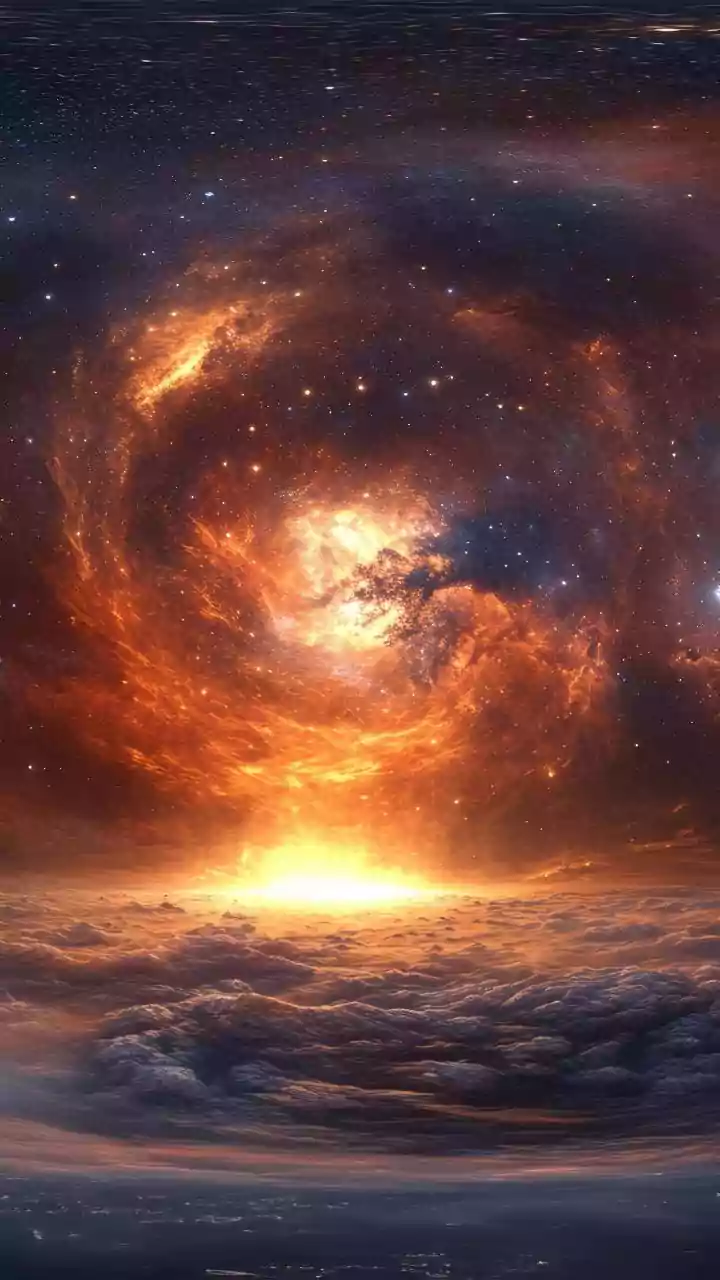
Christopher Nolan is known for his commitment to practical effects, and 'Interstellar' took that philosophy to an intergalactic scale. The film is perhaps most famous for its scientifically accurate depiction of a black hole, Gargantua. Working with theoretical physicist Kip Thorne, the visual effects team developed new software that rendered the gravitational lensing effects based on Einstein's real-world equations. The stunning visuals weren’t just for show; the rendering process led to new scientific insights. For scenes inside the spacecraft, instead of using green screens, massive LED screens projected the pre-rendered cosmic vistas outside the cockpit windows, allowing the actors to react to the environment in real time and creating authentic, in-camera lighting. This commitment to realism produced some of the most awe-inspiring space visuals ever put to film.
Blade Runner 2049 (2017)
While not strictly a space exploration film, Denis Villeneuve’s sequel to the 1982 classic expands its universe with off-world colonies and a visual style that is simply breathtaking. Cinematographer Roger Deakins, who won an Oscar for his work, crafted a dystopian future that is both bleak and beautiful. The film contrasts the neon-soaked, rain-slicked streets of Los Angeles with the vast, desolate and eerily beautiful orange-hued landscapes of a ruined Las Vegas. This wasn't just CGI; extensive miniature models and massive, tangible sets were built to give the world a sense of scale and texture. The use of color is deliberate and emotionally resonant, with distinct palettes defining each location, from the cold, sterile blues of the Wallace Corporation to the radioactive yellows of the wasteland. It's a masterclass in world-building through visuals.
Dune (2021)
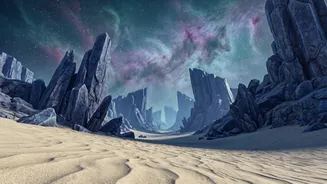
Denis Villeneuve’s adaptation of the sci-fi epic is a testament to the power of scale. The visual effects in 'Dune' feel monumental and grounded, avoiding the weightless feel of pure CGI. The key was a grounded approach that blended real-world locations, like the deserts of Jordan and Abu Dhabi, with digital enhancements. Instead of traditional green screens, the production often used 'sandscreens'—massive screens the color of the desert backdrop—to create more natural lighting and integration for the actors. The gigantic sandworms and colossal spaceships were designed to convey immense weight and presence. The VFX team at DNEG focused on photorealistic lighting and textures, ensuring that even the most fantastical elements felt like they were a part of the physical world. On a massive screen, the sheer scale of Arrakis is a sight to behold.