





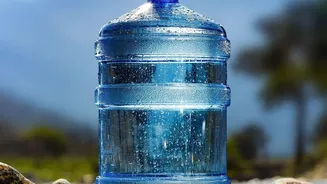
It’s a scene played out millions of times a day: a train pulls into a station or a bus stops at a dhaba, and hands reach out for a bottle of packaged water. This simple transaction is more than just quenching thirst; it’s a vote of no confidence.
A Deep-Seated Distrust in Taps
The primary
driver for India's massive travel-related packaged water consumption isn't just convenience; it's a profound lack of trust in public drinking water sources. For decades, travellers have harboured legitimate fears about the safety and hygiene of tap water available at railway stations and roadside eateries. Recent reports from the Comptroller and Auditor General (CAG) have validated these concerns, revealing the presence of bacteria like E. coli in water samples from taps and even water coolers at numerous stations across the country. This indicates potential faecal contamination and a risk of waterborne diseases. Faced with slushy areas around water points and uncertainty about pipeline maintenance, most travellers see a sealed bottle as a non-negotiable shield for their health, making the extra expense seem like a worthwhile investment in safety.
The Rise and Fall of Water ATMs
To combat the dual problems of plastic waste and the high cost of bottled water, Indian Railways launched an ambitious project in 2015 to install Water Vending Machines (WVMs), or 'water ATMs', at stations. The idea was simple and powerful: provide purified, chilled water at a fraction of the cost of bottled water—as low as ₹5 for a one-litre refill. At its peak, the network grew to around 1,100 machines. However, the scheme has largely been deemed unsuccessful. A combination of factors, including machines falling into disuse during the pandemic, maintenance issues, and financial unviability, led to the project winding down. Today, while a few may still be functional, travellers can no longer rely on finding an operational WVM, pushing them back towards packaged water as the default option.
‘Rail Neer’ and the Supply Gap
Indian Railways has its own official brand of packaged drinking water, 'Rail Neer', produced by the Indian Railway Catering and Tourism Corporation (IRCTC). It is intended to be the sole authorised brand sold on trains and at stations, providing a quality-controlled, affordable option for passengers. Despite operating numerous bottling plants across the country, IRCTC struggles to meet the massive demand. Studies and reports indicate that Rail Neer production only caters to a portion of the total demand, with production plants often operating below their full capacity. This persistent supply shortage, which can be as high as 46% during peak travel seasons, creates a vacuum that is eagerly filled by other private brands, often sold at higher prices.
The Unavoidable Environmental Price
The convenience of packaged water comes at a significant environmental cost. The sheer volume of single-use plastic bottles discarded by travellers creates a monumental waste management challenge for Indian Railways and local municipalities. A CAG report from over a decade ago estimated that thousands of tons of plastic waste find their way onto railway tracks daily, choking drainage systems and degrading soil. While initiatives like installing plastic bottle crushing machines have been introduced at hundreds of stations, their impact is limited by the scale of the problem. Many bottles are simply thrown from train windows or left on platforms, contributing to the larger crisis of plastic pollution in India's landfills and waterways.
Ensuring Quality in a Crowded Market
For a product so crucial to public health, regulation is key. In India, packaged drinking water is under mandatory certification by the Bureau of Indian Standards (BIS). The relevant standard, IS 14543, ensures that the water has been treated and bottled under hygienic conditions, and the product must carry the ISI mark as proof of certification. This is different from IS 10500, which is a general specification for tap water. Despite these regulations, the market is flooded with countless local brands, and travellers must remain vigilant. The ISI mark with a valid license number is the most reliable indicator that the water they are purchasing is safe, steering them clear of counterfeit or substandard products that can pose health risks.