






The Old Myth: Restriction Equals Results
The traditional diet playbook had a simple, punishing rule: sugar is the enemy. Desserts were framed as guilty pleasures, forbidden treats that would instantly undo all your hard work in the gym. This created a culture of extreme restriction, where fitness
goals and any form of sweet indulgence were seen as fundamentally incompatible. The belief was that willpower alone was the key to success, and any deviation was a sign of failure. This rigid mindset often leads people down a path of associating foods with morality, labelling them 'good' or 'bad'.
The Reality: Restriction Often Backfires
Modern science and psychology tell a different story. Severely restricting foods you love can have significant negative consequences. Studies show that making certain foods completely off-limits can intensify cravings, leading to binge-eating episodes followed by feelings of guilt. This creates a stressful and unsustainable cycle of restriction and overindulgence. This psychological toll can manifest as anxiety, irritability, and a preoccupation with food, ultimately hindering long-term progress more than a planned-for treat ever could. Research suggests people who adopt a flexible approach to their diet are often more successful with weight management in the long run.
The New Rule: Smart and Sustainable Integration
The new-school approach to fitness and nutrition is not about deprivation, but about balance and intelligence. You can absolutely eat dessert and still achieve your fitness goals. The key is to see it as part of your overall calorie and nutrient plan, not a separate 'cheat'. Many people find success with an 80/20 approach, where 80% of their diet consists of nutrient-dense whole foods and 20% allows for flexible choices, including desserts. This strategy promotes consistency because it feels enjoyable and realistic. By practicing portion control and planning for treats, you remove the guilt and empower yourself to stay on track.
The Rise of Healthier Indulgences
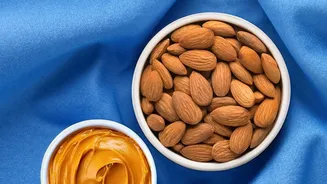
Another reason dessert and fitness are no longer at odds is the explosion of healthier alternatives. Today's market is filled with innovative products that cater to the health-conscious consumer. Desserts made with protein powder are a prime example. Adding protein to baked goods can increase satiety, aid muscle recovery, and provide essential nutrients without unnecessary sugar. Many recipes now swap traditional flour and sugar for nutrient-dense ingredients like Greek yogurt, fruit purees, almond flour, and dark chocolate. These alternatives offer the satisfaction of a treat while contributing positively to your nutritional goals.
Strategic Sweetness: Nutrient Timing
For those who are particularly active, even the timing of your dessert can be strategic. The concept of nutrient timing suggests that consuming certain macronutrients at specific times can optimize performance and recovery. Consuming simple carbohydrates (like those in some desserts) along with protein after a strenuous workout can help replenish depleted muscle glycogen stores and kickstart the muscle repair process. While this doesn't mean a large slice of cake is the optimal post-workout meal for everyone, a smaller, well-chosen sweet treat can fit into this recovery window without negatively impacting your goals.
Mindful Enjoyment Over Mindless Eating
Ultimately, the healthiest relationship with dessert comes from mindful indulgence. Instead of eating a pint of ice cream while distracted by your phone, the goal is to be present and truly savour the experience. Pay attention to the flavours and textures. By eating slowly and without guilt, you're more likely to feel satisfied with a smaller portion. This practice disconnects the emotional baggage of 'cheating' and re-frames dessert as a normal, enjoyable part of a balanced life. It’s about quality of experience, not just quantity of consumption.