






Why It's a 'Smarter' Choice
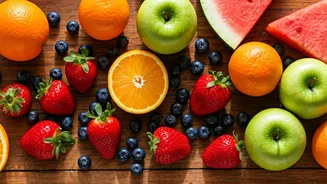
Choosing a whole fruit over a processed snack or even fruit juice is a significantly smarter nutritional decision. The key is fibre. When you eat a whole fruit, like an orange or an apple, you consume all of its dietary fibre. This fibre plays a crucial
role in digestion, promoting gut health and creating a feeling of fullness, which helps prevent overeating. More importantly, the fibre slows down the absorption of the fruit's natural sugars (fructose) into your bloodstream. This prevents the sharp blood sugar spikes and subsequent crashes that you might experience after drinking a glass of juice or a sugary soda. A steady release of energy means you feel more sustained and balanced throughout the day, avoiding that mid-afternoon slump.
The Power of the Full Package
A whole fruit is a complete nutritional package, designed by nature. The skin, pulp, and seeds often contain a high concentration of vitamins, minerals, and powerful antioxidants that work together to protect your body from cellular damage. For example, the skin of an apple is rich in quercetin, an antioxidant with anti-inflammatory properties. When fruit is processed into juice, most of this fibre is stripped away, and many of the delicate, heat-sensitive vitamins and antioxidants are lost. You get the sugar and some flavour, but you miss out on the complex, synergistic benefits of the entire fruit.
How It's 'Simpler' Than You Think
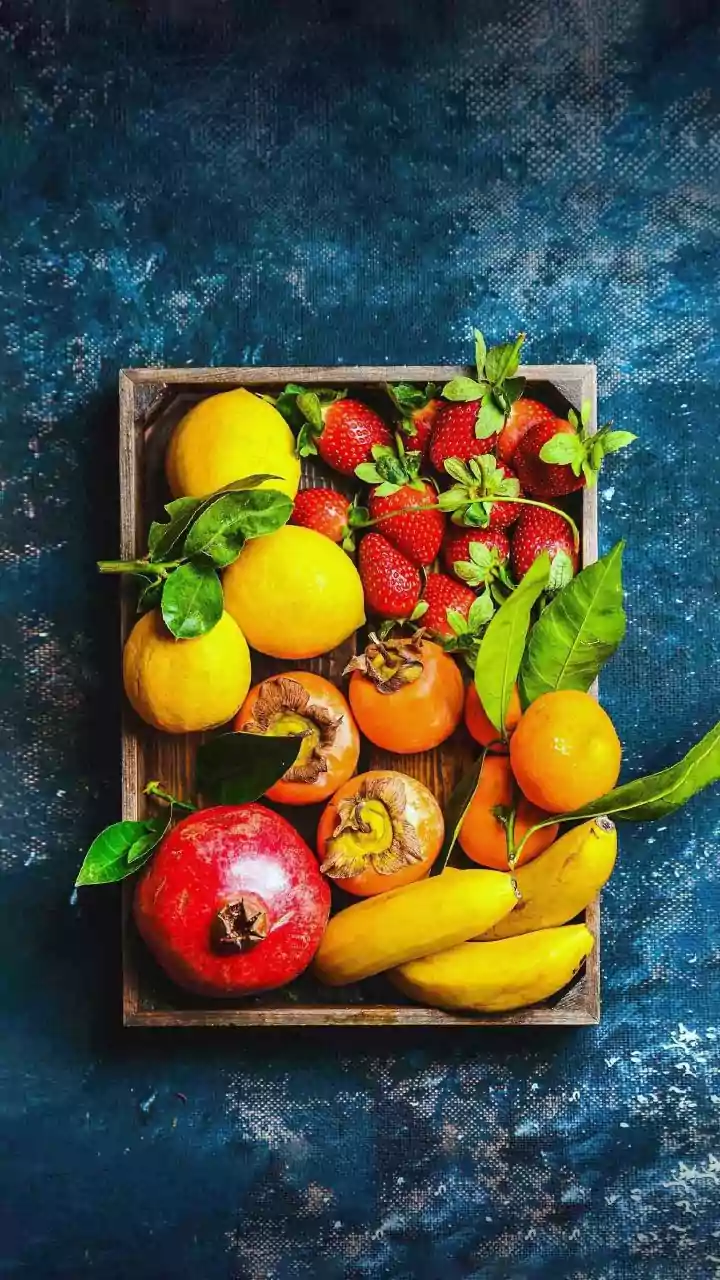
Summer lethargy can make complex meal prep feel like a chore. This is where the beautiful simplicity of whole fruit comes in. It's nature’s ultimate convenience food. There's no cooking required, and cleanup is minimal. A banana is its own biodegradable package. A handful of lychees or jamuns is a perfect, portable snack. A slice of watermelon needs nothing more than, well, a slice. This simplicity removes the barrier to healthy eating. Instead of reaching for a packet of chips, grabbing a juicy mango or a sweet chikoo is just as easy, but infinitely more rewarding for your body. It satisfies a sweet craving without the empty calories and artificial ingredients found in many packaged desserts.
Summer's Natural Hydration Stations
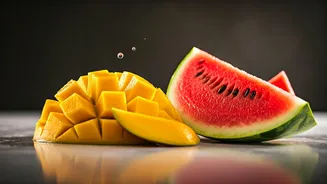
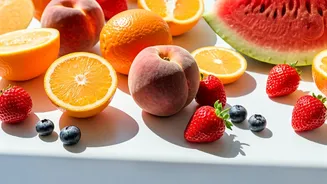
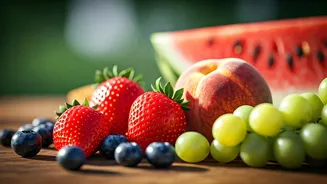
Staying hydrated is critical during the intense Indian summer, and drinking plain water, while essential, can get boring. Many summer fruits have extremely high water content, making them a delicious way to supplement your fluid intake. Watermelon, famously, is over 90% water, making it a perfect thirst-quencher. Muskmelon (kharbuja), cucumbers (technically a fruit!), and oranges are also packed with water. Eating these fruits not only hydrates you but also replenishes essential electrolytes like potassium, which are lost through sweat. This dual-action benefit helps prevent dehydration and keeps your energy levels stable even when the sun is beating down.
Easy Ways to Enjoy More Fruit
Integrating more whole fruit into your diet doesn't require a complete overhaul. Start with small, simple swaps. Begin your day by adding chopped bananas or pomegranate seeds to your bowl of dahi or oatmeal. Prepare a simple fruit chaat with a sprinkle of chaat masala for a tangy evening snack. Keep a fruit bowl visible on your dining table or kitchen counter as a visual reminder. For a refreshing treat, blend whole fruits like mango or banana with some milk or curd for a thick, fibre-rich smoothie—far better than a store-bought milkshake. You can even freeze grapes or slices of melon for a healthy, icy snack that beats any packaged ice pop.