






The Search for a Better Work-Life View
For years, a successful tech career was synonymous with life in a bustling metropolis like Bengaluru, Hyderabad, or Pune. However, the normalisation of remote work has prompted a major rethink. Tech professionals are increasingly trading the concrete
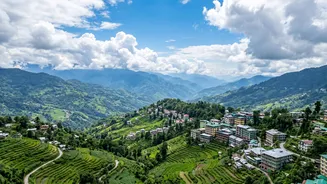
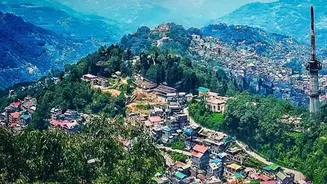
jungle for the actual jungle, and the Himalayan town of Gangtok has emerged as a prime destination. The appeal is simple: waking up to views of Kanchenjunga instead of construction sites, breathing clean mountain air, and enjoying a more peaceful environment. This shift is driven by a desire to escape urban burnout and find a sustainable work-life balance, where productivity is complemented by well-being. The serene environment is not just a backdrop; it's a key feature that helps reduce stress and improve focus, making work more enjoyable and effective.
Productivity Meets Community
One of the biggest downsides of remote work is isolation. Co-living and workation hubs in Gangtok are designed to solve this exact problem. These spaces combine private living quarters with shared facilities like high-speed internet, dedicated workspaces, and communal kitchens. More than just providing infrastructure, they cultivate a sense of community. Regular social events, skill-sharing workshops, and group excursions allow residents to connect with like-minded professionals from diverse backgrounds. For tech workers who often thrive on collaboration and brainstorming, this built-in network is invaluable. It transforms the solitary act of working from home into a communal experience, blending the independence of remote work with the social benefits of an office.
High-Speed Internet in the High Himalayas
A common concern about working from the mountains is connectivity. Gangtok has largely put these fears to rest. The city and its surrounding workation hubs offer reliable high-speed Wi-Fi with power backups, a non-negotiable for tech professionals whose jobs depend on stable internet for coding, video calls, and large file transfers. The local infrastructure has adapted to the influx of digital nomads, with many cafes and hotels also offering work-friendly setups. This robust digital connectivity ensures that professionals can meet deadlines and stay connected with their teams globally, all while enjoying the tranquillity of the Himalayas. Initiatives like the 'Nomad Sikkim' project are further strengthening this infrastructure, aiming to make the region a world-class remote work destination.
A More Affordable Bottom Line
The financial benefits are a significant driver of Gangtok's popularity. Compared to major metropolitan hubs, the cost of living in Sikkim is substantially lower. Housing, in particular, is significantly more affordable than in cities like Delhi or Bangalore. A tech worker might find that their salary stretches much further in Gangtok, allowing for a higher quality of life, more savings, or the ability to invest in personal projects. While some local costs for necessities can be higher than in other Tier-2 cities, the overall financial equation is often highly favorable. Co-living spaces offer flexible and cost-effective packages that bundle accommodation, utilities, and workspace costs, simplifying budgeting for remote workers.
Adventure on Your Doorstep
Perhaps the most unique advantage is the lifestyle. Logging off for the day in Gangtok doesn't mean navigating a crowded commute. Instead, it can mean a short walk to the vibrant MG Marg, a hub of shops and eateries. Weekends are an opportunity for adventure, with countless options for trekking, visiting ancient monasteries, or exploring pristine lakes and valleys just a short drive away. This seamless integration of work, life, and travel is the core appeal of the workation model. It allows tech workers to pursue hobbies and passions that are often difficult to access in a big city, leading to a more fulfilled and rounded life. The unique culture, organic food, and stunning natural beauty provide constant inspiration and a genuine escape from the mundane.