






The Search for Authentic Experiences
For years, the paradox of travel has been that the desire for a unique adventure often leads to a pre-packaged, predictable outcome. The most famous sights are famous for a reason, but their popularity can lead to overcrowding and a sense of detachment
from the local culture. Today’s traveller is increasingly seeking something different: the quiet coastal village not listed in every guidebook, the family-run eatery with a secret recipe, or the hiking trail with untouched views. This shift towards authenticity and personal discovery has created a demand for better tools. The days of spending weeks piecing together a trip from scattered blogs, forums, and outdated guidebooks are numbered. Travellers want the freedom to explore unique places without the immense logistical headache that traditionally comes with it.
How Technology Is Changing the Map
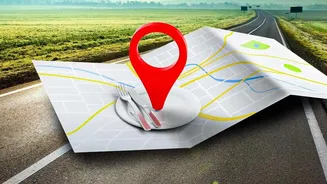
Digital innovation is stepping in to fill this gap. A new generation of travel platforms, many powered by artificial intelligence (AI), is designed to move beyond simple keyword searches for cities and countries. Instead of just showing you the top ten hotels in a major city, these tools act as intelligent travel consultants. They can take abstract preferences—like "a quiet, cultural trip in the mountains with good food"—and generate concrete, customised itineraries. This AI-driven approach helps travellers discover destinations they might have never thought to search for, opening up a world of possibilities. Recent surveys show a significant rise in travellers using AI for trip planning, with many finding it most useful for creating personalised, day-by-day schedules. These platforms analyse vast amounts of data to offer tailored suggestions that align with individual interests, budgets, and travel styles.
From Inspiration to Itinerary
The influence of social media, particularly visual platforms with short-form videos, has become a primary source of travel inspiration, often showcasing lesser-known gems. Digital platforms are now bridging the gap between that initial spark of inspiration and a fully planned trip. Apps like Atlas Obscura and HiddenGems focus specifically on curating collections of the world's most fascinating and overlooked places, often contributed by a community of explorers. Once a destination is chosen, other tools simplify the complex logistics. Integrated platforms allow users to manage everything in one place, from booking flights and accommodations to tracking expenses and receiving real-time updates on their journey. This seamless process removes much of the friction and stress traditionally associated with planning a trip to a more remote or unfamiliar area.
The Power to Compare and Explore
One of the biggest advantages of these new digital tools is the ability to easily compare options that were once difficult to evaluate. Travellers can contrast prices, read reviews from fellow explorers, view user-submitted photos, and even take virtual tours of a location before committing. For outdoor enthusiasts, apps like AllTrails provide extensive libraries of hiking and biking routes, complete with maps and difficulty ratings, making it easier to safely explore natural wonders that aren't part of a mainstream park. This democratisation of information empowers travellers to make informed decisions and build trips that truly suit their needs, giving them the confidence to venture beyond the typical tourist circuit. The technology handles the heavy lifting of organisation, freeing up travellers to focus on the experience itself.
A More Responsible Way to Travel?
This technological shift has the potential to foster a more sustainable form of tourism. By highlighting a wider array of destinations, these platforms can help distribute tourist traffic more evenly, reducing the strain on overburdened hotspots. Some digital tools are even incorporating features that promote eco-friendly travel, such as carbon footprint calculators and filters for sustainable accommodations. However, the power to uncover hidden gems also comes with a responsibility. The same technology that makes these places accessible could also lead to their eventual overcrowding if not managed carefully. The future of travel may depend on using these powerful tools not just for personal discovery, but with a mindful approach that respects local communities and environments, ensuring these lesser-known destinations retain the very charm that makes them so appealing.