




The Two-Tier System for Travellers
Until now, a passenger's access to travel insurance depended entirely on how they bought their ticket. Those who booked online through the IRCTC website or app were offered an optional travel insurance plan for a nominal fee, often as low as 45 paise.
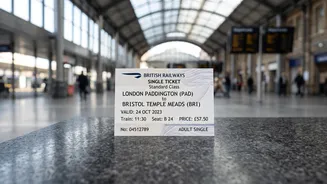
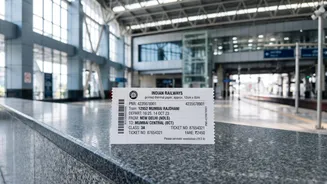
However, the millions of passengers who purchased their tickets physically at railway station counters had no option to get this insurance. This created a significant gap in passenger safety and financial protection, particularly affecting those in lower economic strata or those less comfortable with digital transactions, who are more likely to buy tickets over the counter. This disparity became a key point of contention in a wider case on railway safety.
The Supreme Court Steps In
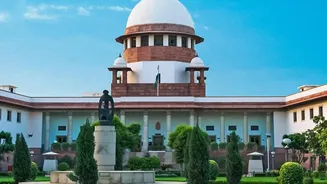
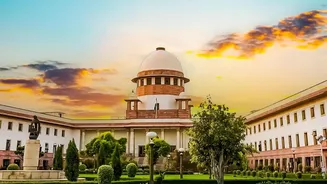
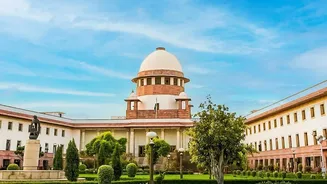
The issue was brought before the Supreme Court as part of a broader petition concerning railway safety, which was filed following the tragic Odisha train accident in June 2023. While the case initially focused on safety infrastructure like the Kavach system, the court expanded its scope to address this insurance discrepancy. A bench of Justices Ahsanuddin Amanullah and R. Mahadevan noted that the Railways had been given ample time to devise a mechanism to extend insurance to counter-ticket holders but had made no progress. Expressing 'utter disappointment' with the lack of action, the court issued a direct and mandatory order to rectify the situation.
What Changes on October 27?
The Supreme Court's order mandates that from October 27, 2026, all train tickets sold at railway station counters must also be covered by travel insurance, in the same way as those purchased online. This makes insurance coverage a standard feature for offline tickets, rather than an inaccessible add-on. The court has placed the responsibility for implementing this directive squarely on the Railway Board, stating it will be held directly accountable for any failure to comply. This move is designed to ensure equal access to financial protection for all passengers, regardless of their booking method.
What This Means for Passengers
For passengers who book online, the process will likely remain an optional choice during checkout. The major change is for those who buy tickets at counters. They will now have insurance coverage extended to them. The existing online insurance scheme provides coverage of up to ₹10 lakh in case of death or permanent total disability arising from a train accident or other specified untoward incidents. While the court has mandated parity, Indian Railways has yet to clarify the exact mechanism for offline tickets, including how the premium will be collected and how policy details will be shared with the passenger. Passengers should look out for official announcements from the Railways for these practical details.
A Push for Equal Protection
This court order is more than just a procedural change; it's a significant step towards equitable passenger rights in India. It acknowledges that a crucial safety net like insurance should not be a privilege reserved for the digitally savvy. By mandating this change, the Supreme Court has reinforced that the safety and financial well-being of every passenger is paramount. The decision forces a systemic change, aiming to provide a uniform layer of protection for millions who rely on the country's vast rail network for their travel needs, bringing the focus squarely back on the 'common man's' safety.