






The end of the monsoon brings relief from the damp, but it can also signal the start of new hair troubles. If you're suddenly dealing with an itchy, flaky, or greasy scalp, you're not alone. This seasonal shift requires a change in your scalp care.
The Post-Monsoon Scalp Problem
During
the monsoon, high humidity creates a challenging environment for your scalp. The air is so moist that sweat doesn't evaporate easily, leading to a buildup of oil, sweat, and dirt. This damp, warm setting is a perfect breeding ground for fungi and bacteria, which can cause dandruff, itchiness, and inflammation. The sebaceous glands can go into overdrive, leaving your hair feeling greasy and heavy even after a wash. Then, as the season transitions, the humidity drops. This sudden shift to drier air can strip your scalp of its natural moisture, leading to tightness, dryness, and a different kind of flakiness. Your scalp is left confused, often overproducing oil to compensate for the dryness while still dealing with the leftover buildup from the humid months.
Why Exfoliation Becomes Essential
Think of scalp exfoliation as a necessary 'reset' button. Throughout the monsoon, layers of product, sebum, and dead skin cells accumulate, clogging hair follicles. Regular shampooing might not be enough to clear this stubborn buildup. Exfoliation physically or chemically dislodges these impurities, detoxifying your scalp and unclogging follicles. This process is crucial for several reasons. It helps to remove the flakes associated with both dandruff and dryness, soothes itchiness, and allows your scalp to breathe. By clearing the way, exfoliation also helps regulate sebum production, which can go haywire during weather changes. A clean, balanced scalp provides the ideal foundation for healthy hair growth, which might have been hindered by clogged follicles.
Physical vs. Chemical Exfoliation
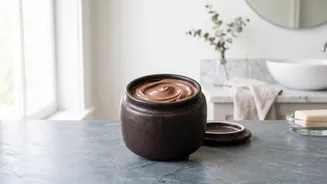
You have two main options for exfoliating your scalp, and the best choice depends on your scalp's sensitivity and needs. Physical exfoliants use texture from ingredients like sea salt, sugar, or coffee grounds to manually scrub away dead skin cells. They provide immediate satisfaction and help boost circulation through massage. However, it's vital to use a scrub specifically designed for the scalp to avoid being too abrasive. Chemical exfoliants use acids to dissolve the bonds holding dead skin cells together. Alpha-hydroxy acids (AHAs) like glycolic acid are great for surface exfoliation, while beta-hydroxy acids (BHAs) like salicylic acid are oil-soluble and can penetrate deeper into pores to clear out excess sebum. These are often found in serums or pre-shampoo treatments and can be a gentler option for sensitive scalps.
Adjusting Your Cleansing Routine
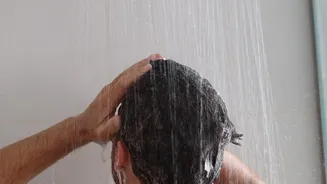
Exfoliation is just one part of the puzzle; your cleansing habits need to adapt, too. During the post_monsoon transition, you may not need to wash your hair as frequently as you did in the humid weather. Over_washing can strip the scalp of necessary oils, making dryness worse. Consider switching to a clarifying shampoo once a week to deeply cleanse and remove any remaining buildup. Look for ingredients like tea tree oil, apple cider vinegar, or neem, which have antimicrobial properties and can help maintain a healthy scalp balance. As the air gets drier, you might also find that your scalp needs more hydration. Don't apply heavy conditioners directly to the roots, as this can weigh hair down. Instead, focus conditioner on the mid_lengths and ends, and consider a lightweight, hydrating scalp serum after washing.
Nourish and Protect Your Scalp
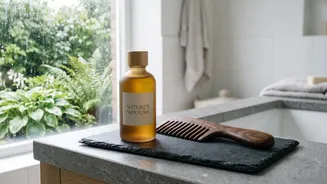
After a deep cleanse and exfoliation, it's important to soothe and nourish the scalp. The shift to drier air requires you to replenish lost moisture to prevent your scalp from becoming tight and irritated. Ingredients like aloe vera can provide lightweight hydration and calm irritation. Lightweight oils such as coconut or bhringraj can be used as a pre_shampoo treatment for 30–45 minutes to condition the hair and scalp without causing greasiness. Finally, pay attention to your diet and lifestyle. Staying hydrated, eating a balanced diet rich in protein, zinc, and iron, and managing stress can all contribute to better scalp health and reduce seasonal hair fall.