






More Than Just a Desk
In the heart of Bali, a quiet revolution is reshaping what it means to ‘go to work.’ Forget the sterile, air-conditioned cubicles of corporate life. A new breed of co-working spaces, or 'green hubs,' crafted almost entirely from bamboo, are offering a blueprint
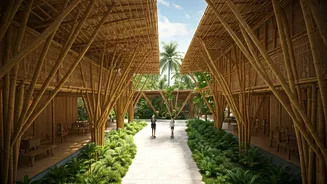
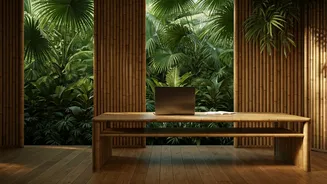
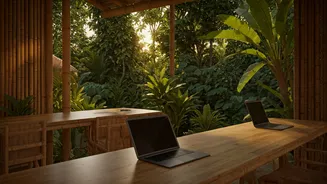
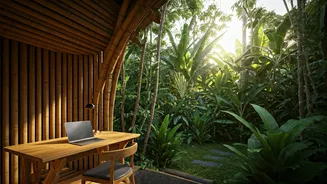
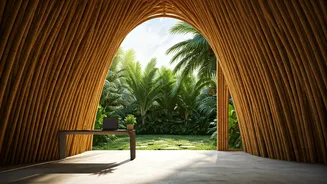
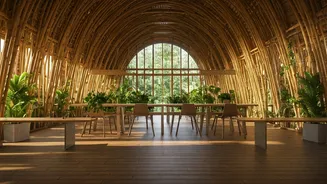
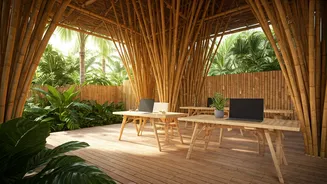
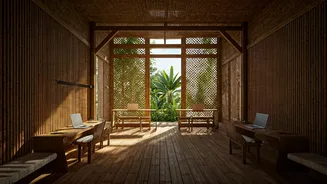
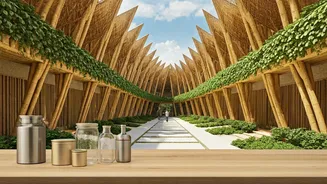
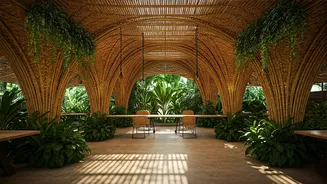
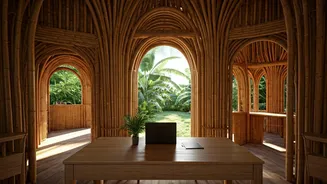
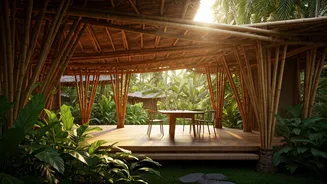
for a more sustainable and soul-stirring professional life. These are not merely offices with a tropical theme; they are holistic environments designed to integrate work, nature, and well-being. Stepping into one is an immersive experience. Sunlight filters through intricate bamboo structures, casting dynamic shadows that dance throughout the day. The air is fresh, circulated by clever design rather than power-hungry HVAC systems. Here, the boundary between indoors and outdoors dissolves, creating a workspace that breathes with the landscape around it.
The Philosophy of Bamboo
The choice of bamboo is fundamental to this movement's ethos. Championed by visionaries like John Hardy, founder of the famous Green School in Bali, and his daughter Elora Hardy of the architectural firm IBUKU, bamboo is hailed as a miracle material. It’s one of the fastest-growing plants in the world, sequestering carbon as it grows and reaching maturity in just a few years. When treated properly, its strength-to-weight ratio rivals that of steel, making it possible to create soaring, multi-story structures that are both durable and breathtakingly beautiful. Using bamboo is a statement against the carbon-intensive practices of conventional construction, which relies heavily on concrete and steel. It represents a commitment to working with, not against, the natural environment, using local materials that are renewable and biodegradable.
Designing for People and Planet
The genius of these hubs lies in their biophilic design—an approach that seeks to connect building occupants more closely to nature. The architectural forms are organic, mimicking shapes found in the natural world. Open-air concepts and vaulted ceilings promote passive cooling, drastically reducing the need for artificial air conditioning. Every curve and joint is considered to maximise natural light and airflow. This isn't just about saving energy; it's about enhancing human productivity and wellness. Studies have shown that environments with natural elements can reduce stress, improve cognitive function, and boost creativity. By replacing stark walls with living jungle views and the drone of electronics with the sounds of nature, these spaces are engineered for focus and inspiration.
Community in the Canopy
Beyond the stunning architecture, the true power of Bali's green hubs is the community they foster. They attract a global tribe of digital nomads, entrepreneurs, creatives, and wellness practitioners who share a common desire for a more intentional way of living and working. These are not silent libraries where individuals work in isolation. Instead, they are vibrant ecosystems of collaboration. Communal spaces encourage interaction, while curated workshops—on topics ranging from permaculture and sustainable business to yoga and breathwork—provide opportunities for personal and professional growth. This sense of community turns a temporary workspace into a sense of belonging, creating a powerful network of innovators united by a shared vision for a better future.