





The New Space Race is Private
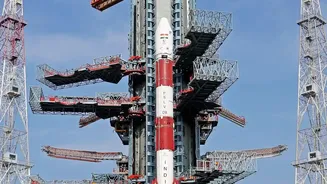
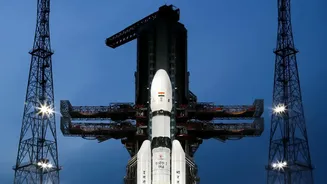
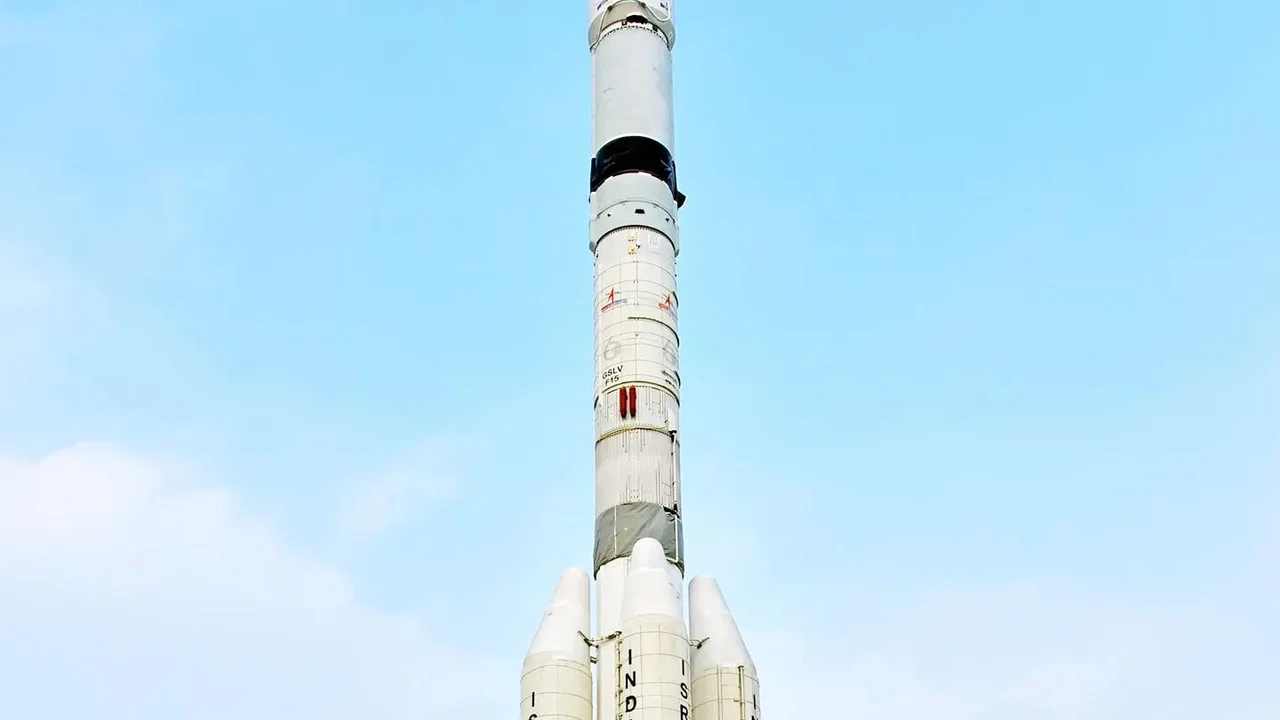
India's journey in space is no longer solely authored by the Indian Space Research Organisation (ISRO). A monumental policy shift in 2020 opened the final frontier to private enterprise, sparking a revolution. The government established the Indian National
Space Promotion and Authorisation Centre (IN-SPACe) to act as a bridge between ISRO's legacy infrastructure and the ambitions of new companies. This has led to an explosion in the sector, with the number of space startups soaring from just a handful to over 400 by early 2026. Companies like Skyroot Aerospace, which launched India's first private rocket, and Agnikul Cosmos, known for its 3D-printed engines, are now key players. This commercialisation is not just about national pride; it's about building a robust space economy projected to reach nearly $44 billion by 2033, creating a massive demand for skilled professionals.
Beyond the Rocket Scientist
The popular image of a space career is often limited to an astronaut or a rocket scientist, but the reality of India's new space economy is far more diverse. While aerospace, mechanical, and propulsion engineers remain the bedrock of the industry, the fastest-growing roles are emerging in adjacent tech fields. These private ventures are aggressively hiring aerospace software engineers to write the millions of lines of code that run launch vehicles and satellites. Mission operations specialists are needed to manage these assets from the ground. As manufacturing becomes more advanced, robotics engineers who can design and manage autonomous systems are in high demand. Furthermore, the push for lighter, stronger, and reusable rockets has created a need for innovative materials scientists who can work with advanced composites and alloys.
The Downstream Data Gold Rush
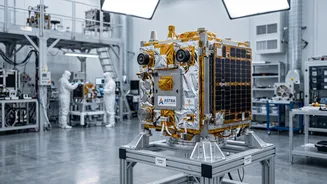
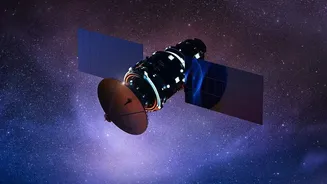
One of the most significant growth areas is not in launching things into space, but in making sense of the information they send back. This is the 'downstream' sector. Startups like Pixxel, which is building a constellation of hyperspectral imaging satellites, and SatSure, which provides satellite-based decision intelligence, are prime examples. They are hiring data scientists and AI/ML specialists in large numbers to analyse petabytes of satellite imagery. These experts build algorithms that provide crucial insights for diverse sectors like agriculture (monitoring crop health), climate change (tracking environmental shifts), urban planning (managing city growth), and disaster management (assessing damage). A professional with skills in GIS, remote sensing, and data analytics now has a direct and lucrative path into the space industry.
Building an Entire Ecosystem
A thriving industry requires more than just engineers and scientists. As the private space sector matures, it's creating a host of ancillary career paths that were previously non-existent in India. With complex international regulations and contracts, the demand for space lawyers and policy experts is growing. Venture capital firms and investment analysts with a deep understanding of the sector's long-term potential are needed to fuel growth. These startups also require business development managers to forge commercial partnerships, marketing professionals to build their brand, and cybersecurity experts to protect valuable space assets from digital threats. This expansion means that graduates from management, law, and finance backgrounds can now realistically aim for a career in the space domain.
The Skills for Tomorrow's Frontier
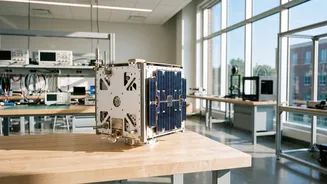
For students and young professionals aspiring to join this boom, the required skillset is a blend of foundational knowledge and modern technical fluency. A bachelor's degree in engineering—particularly in Aerospace, Mechanical, Electronics, or Computer Science—remains a primary entry point. However, what sets a candidate apart is proficiency in programming languages like Python and C++, experience with CAD and simulation software, and a strong grasp of AI and machine learning principles. Practical experience, gained through university clubs, internships, and hands-on projects, is highly valued by these fast-paced startups. The message from the industry is clear: a strong theoretical foundation combined with practical, software-driven skills is the launchpad for a successful career in India's new space age.