




Chasing Away the Plague
Every July, after the sowing season, the town of Jowai in the Jaintia Hills of Meghalaya transforms. It becomes the heart of the Behdienkhlam festival, the most significant cultural event for the Pnar people, who follow the indigenous Niamtre faith. The
name itself tells a story: ‘Beh’ means to drive away, ‘dien’ means wood or sticks, and ‘khlam’ translates to plague or pestilence. At its core, the festival is a powerful, ritualistic cleansing of the community, an invocation for divine protection against disease and a prayer for a bountiful harvest. It is rooted in ancient legends of chasing away epidemics and ensuring the well-being of the tribe, making it a profound expression of faith and resilience that has been passed down through generations.
A Symphony of Rituals
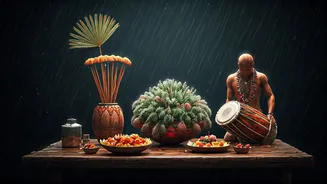
The festival unfolds over four days in a series of deeply symbolic rituals. It begins with solemn rites performed by the ‘Daloi’, the chief religious figure. One of the early rituals involves young men visiting homes and beating the roofs with bamboo poles, a symbolic act to drive away evil spirits from every household. While men lead the public festivities, women play a crucial role by preparing and offering sacrificial food to the spirits of their ancestors, a practice that honours the matrilineal structure of Pnar society. The festival is a homecoming, a time when members of the community who have moved away return to their ancestral land to reconnect and celebrate.
The Towering Rots
The visual centerpiece of Behdienkhlam is the procession of the ‘rots’. These are towering, elaborately decorated chariots or effigies made from bamboo, often reaching heights of 30-40 feet. Each locality or village designs and builds its own rot, adorning it with colourful paper and symbols that can carry social or political messages. The rots are paraded through the streets with immense energy, accompanied by the hypnotic rhythm of drums and pipes. The procession culminates at a sacred pool known as ‘Aitnar’, where the rots are ceremonially immersed in the muddy water. This final act symbolizes the washing away of sickness, negativity, and evil, cleansing the land and its people for the year ahead.
The Game for a Good Harvest
The festival's climax is a unique and spirited event called ‘datlawakor’. It’s a game resembling football, played with a small wooden ball in the mud-soaked ground of Mynthong. Two teams, representing the northern and southern parts of the region, compete fiercely to push the ball to the other side's end. The game is far more than mere sport; it is a ritualised contest where the outcome holds significant meaning. Tradition holds that the region of the winning team will be blessed with a more abundant harvest in the coming year. The frenetic energy of the game, played with gusto in the pouring monsoon rain, encapsulates the community's deep connection to their agrarian way of life.
The Meghalaya You Haven't Seen
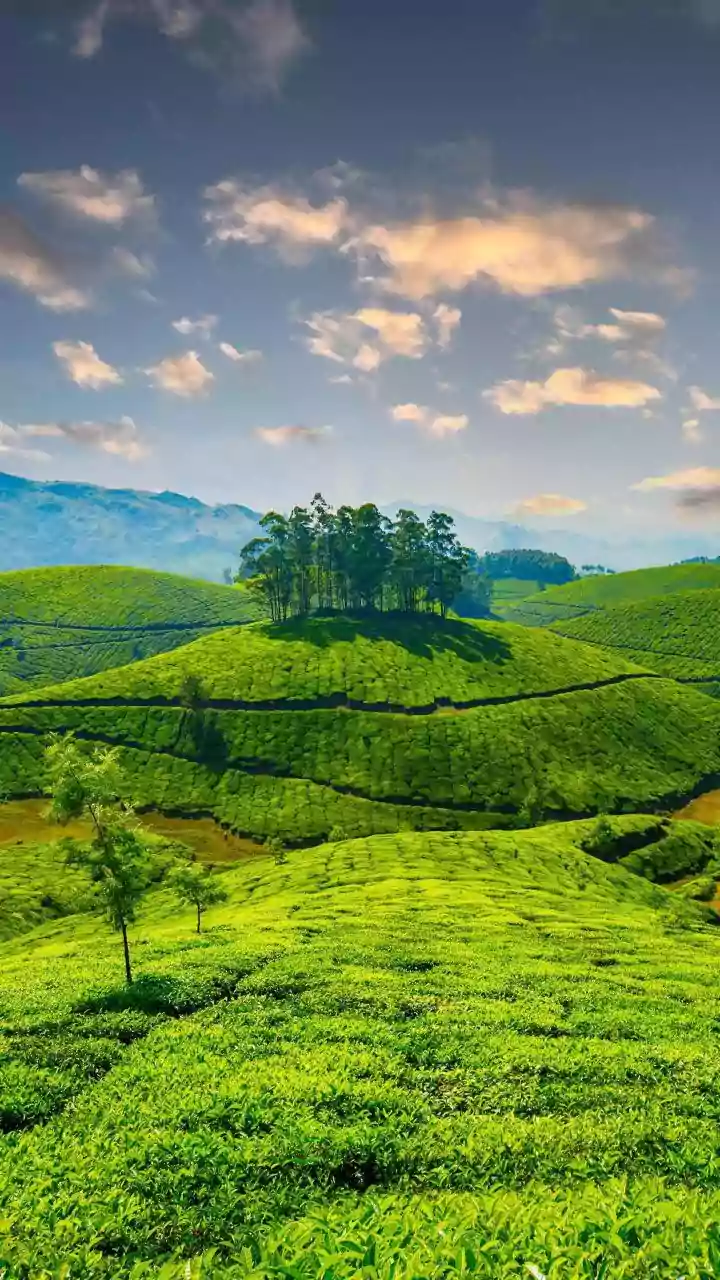
Behdienkhlam offers a powerful counter-narrative to the polished, picture-perfect images of Meghalaya that dominate social media feeds. It reveals a culture that is not just about serene beauty but also about raw, vibrant, and communal energy. This is not a performance for tourists but a living, breathing expression of identity and faith. The festival showcases a side of the state that is loud, chaotic, deeply spiritual, and beautifully human. It’s in the shared struggle to carry a heavy ‘khnong’ (sacred log), the collective cheer of the crowd during datlawakor, and the shared meal with ancestors. It proves that to truly understand Meghalaya, one must look beyond its pretty landscapes and into the heart of its people and their enduring traditions.