


In a rare and candid moment, Congress leader Sonia Gandhi has shared warm memories of Diwali celebrations from her early years in India, offering a glimpse into a family tradition that connects heritage, food, and the festival of lights.
A Nostalgic Conversation
In a video shared
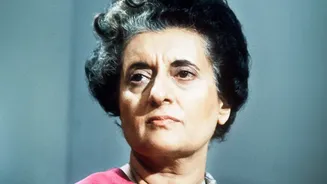
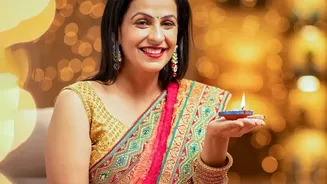
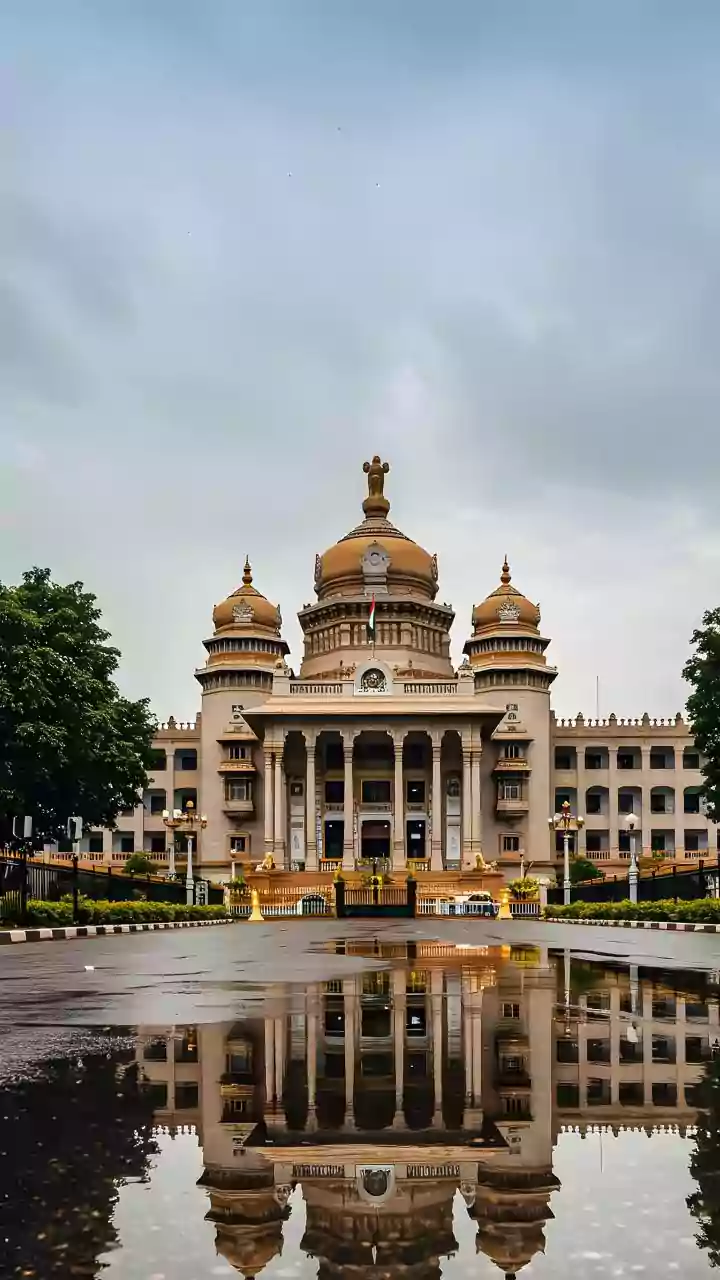
recently on social media, Sonia Gandhi, accompanied by her daughter Priyanka Gandhi Vadra and granddaughter Miraya Vadra, took a trip down memory lane at 1, Safdarjung Road, the former residence of her mother-in-law, Indira Gandhi. The conversation, set in the familiar gardens of the home, turned to the Diwali festivities of the past. Sonia recalled how the house would be illuminated not by electric lights, but by countless diyas placed carefully around the pond, along the roof, and down the pathways, creating a 'very pretty' sight. The celebrations would begin with the first diya being lit before an idol of Lord Ganesh.
The Flavours of Kashmir
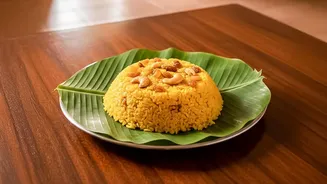
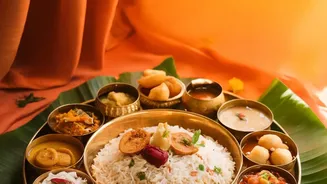
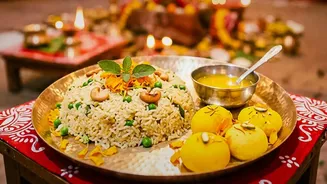
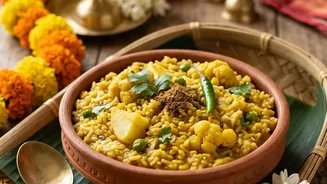
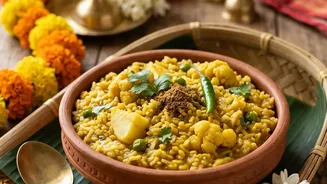
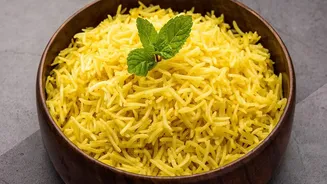
Beyond the twinkling diyas and the 'berserk' fun of firecrackers, it was the mention of food that revealed a deeply rooted family custom. 'On festivals, we always used to have Kashmiri food and that sweet rice,' Sonia shared, adding, 'which we still make, by the way'. This tradition connects the family to their Kashmiri Pandit heritage through the Nehru lineage. While Sonia did not name the specific dishes, the 'sweet rice' is likely Modur Pulav, a festive Kashmiri delicacy known for its fragrant saffron, ghee, and generous helping of dried fruits and nuts. This dish is a celebratory staple in Kashmiri households, worlds away from savoury pulaos found elsewhere in India.
A Culinary Legacy
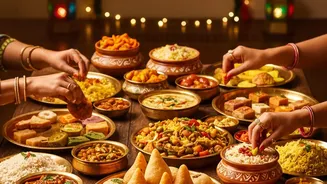
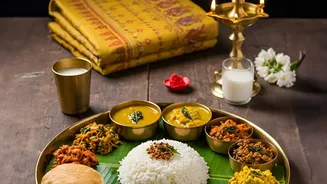
The persistence of this culinary tradition, started in Indira Gandhi's home, speaks volumes about how food acts as a powerful carrier of cultural identity. Kashmiri Pandit cuisine is distinct, often using asafoetida (hing) and yoghurt as a base instead of onions and garlic, creating unique flavour profiles in dishes like Dum Aloo and Nadru Yakhni (lotus stem in yoghurt gravy). By continuing to prepare these dishes, the family keeps a tangible piece of their heritage alive, passing down tastes and aromas from one generation to the next. The festive table becomes a map of memory, linking the present to a specific cultural and personal past.
More Than Just a Meal
Priyanka Gandhi Vadra also added to the store of memories, recalling how her father, Rajiv Gandhi, would take the children to Chandni Chowk in Old Delhi to buy firecrackers for the occasion. The conversation also touched upon the changing environment, with Sonia wistfully remembering the clear blue skies of those years, a rare sight now. The brief exchange was not just about nostalgia; it was a portrait of a family, like many others in India, whose festive rituals are a composite of specific places, cherished activities, and, most importantly, the enduring comfort of a traditional meal. The anecdote about Kashmiri food provides a rare window into the private, cultural life of one of India’s most well known political families, reminding us that heritage is often best preserved and shared at the dinner table.