

The Comfort and Versatility Mandate
The primary driver behind the fusion wave is a generational demand for comfort and practicality. Younger Indians, accustomed to the ease of global fashion, are questioning why festive wear must be restrictive. They seek outfits that allow them to move,
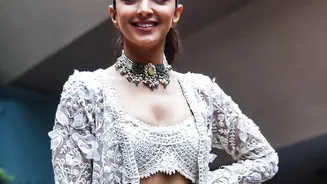
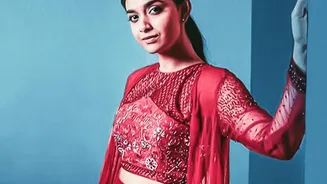
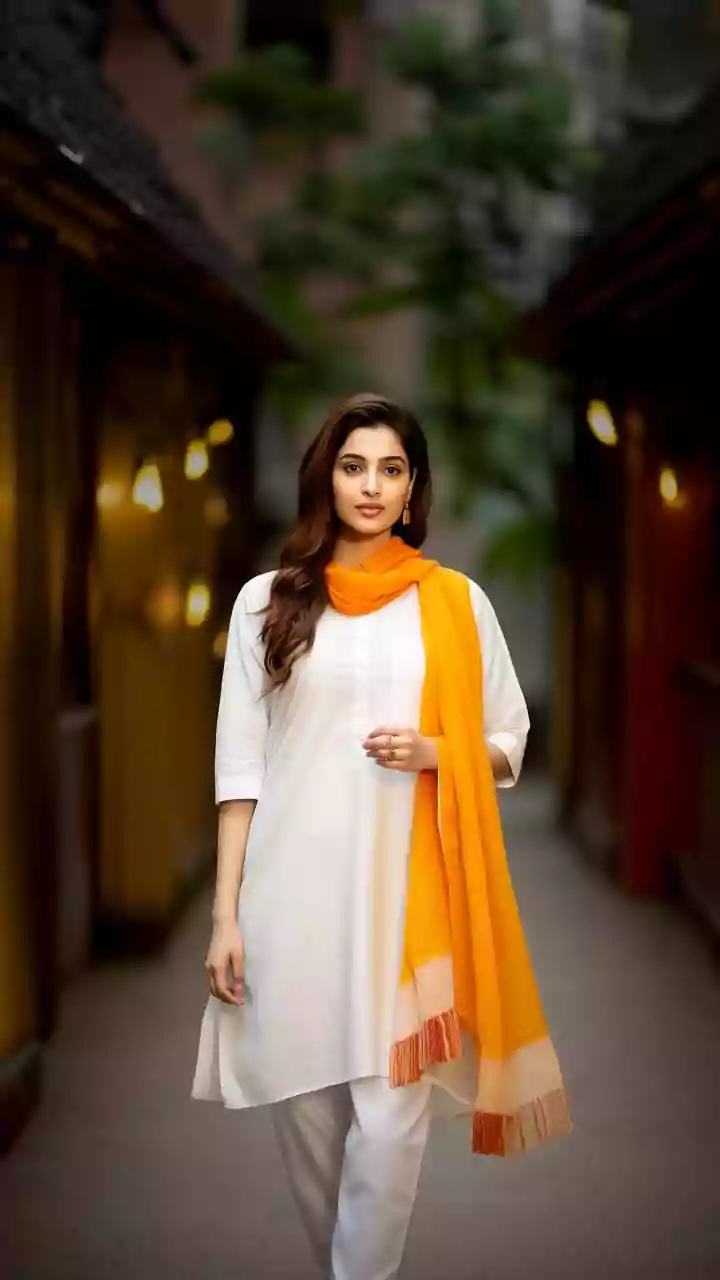
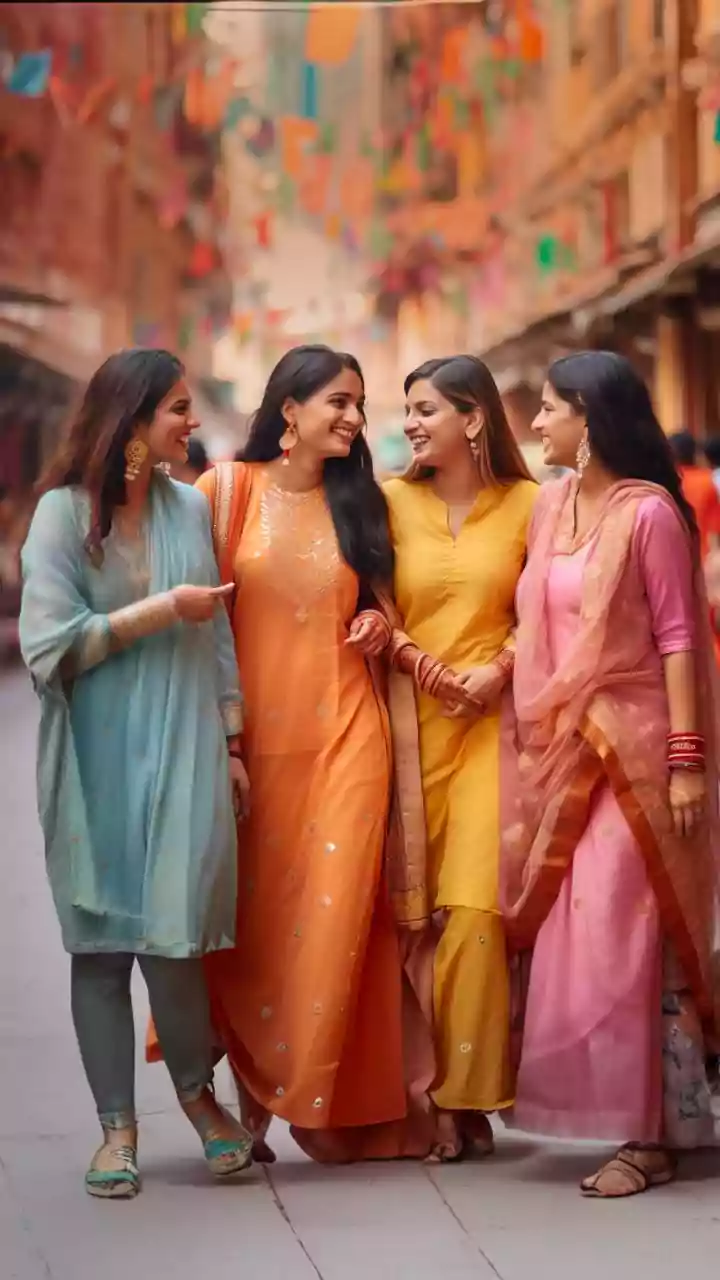
dance, and celebrate without being weighed down by heavy fabrics or complex drapes. This 'pajama philosophy' prizes breathable materials and fluid silhouettes that can transition from a morning puja to an evening party. Think palazzo pants paired with a short kurti, a crop top with a lehenga skirt, or a pre-draped saree that offers elegance without the effort. This versatility is crucial for a generation juggling packed schedules; they need clothes that work as hard as they do.
An Expression of a Global Identity
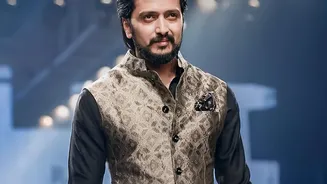
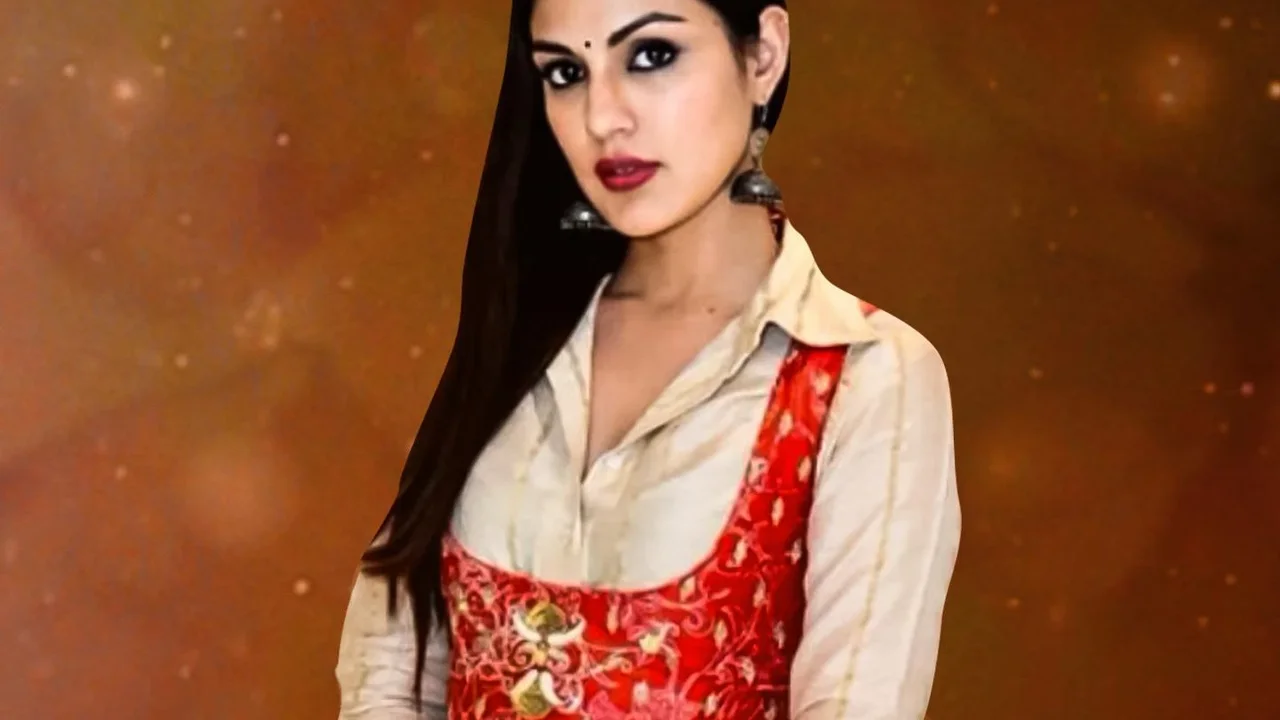
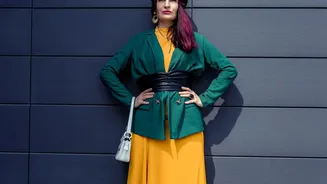
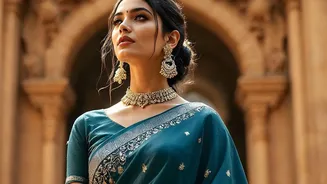
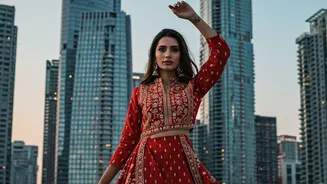
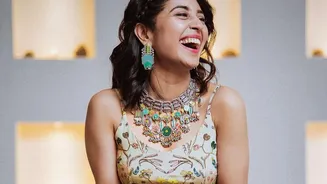
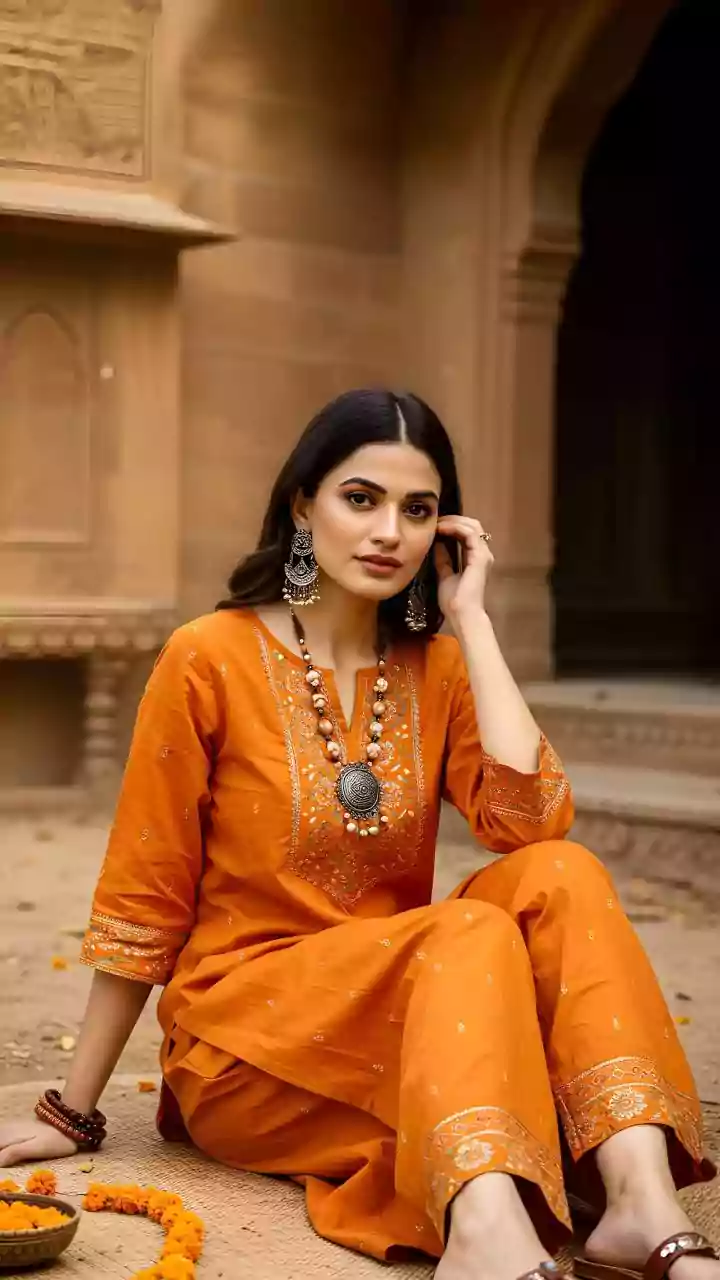
Indo-Western attire is more than just clothing; it is a statement of identity for a generation that is both globally aware and culturally rooted. Pairing a traditional embroidered jacket with jeans, or a handloom dupatta with a Western dress, is a way of saying, 'I am modern, but I haven't forgotten my heritage'. This blend allows young Indians to express their multifaceted identities in a single outfit. Designers are responding by creating garments that are a creative mix of cultures, such as using traditional Indian embroidery techniques like zardozi on Western silhouettes like blazers and gowns. It's a visual representation of a generation that consumes global media while celebrating local festivals with equal enthusiasm.
How Retail is Racing to Adapt
This consumer shift has sent a clear message to the fashion industry: adapt or be left behind. Retailers who once focused solely on traditional ethnic wear are now seeing slower growth in that segment. In response, major brands and department stores are expanding their fusion wear collections, which are now leading sales during peak festive seasons. This includes offering more mix-and-match separates, jacketed lehengas, saree-gowns, and ethnic co-ord sets. The online marketplace, in particular, is booming, with digital discovery playing a huge role in how young shoppers find and purchase these outfits. Brands are innovating with designs like bandhani-printed midi dresses and churidar-inspired joggers to appeal to cosmopolitan shoppers.
The Future is a Stylish Hybrid
The trend towards fusion is not just about aesthetics; it's also influencing a more conscious approach to consumption. The versatility of these garments means they are worn more often, moving away from the 'single-use' nature of some heavy traditional outfits. Many young consumers are also drawn to sustainable, homegrown brands that use quality, eco-friendly fabrics. Looking ahead, this hybrid approach to fashion is set to become even more refined. Expect to see more creative combinations of fabrics, like silk with denim, and innovative silhouettes that continue to challenge the boundaries between 'Indian' and 'Western' wear. The focus will remain on personal expression, comfort, and outfits that tell a story.