






Forget Perfection, Embrace 'Good Enough'
The biggest hurdle for most beginners is the feeling that they need to do everything perfectly from day one. This “all or nothing” mindset leads to paralysis. The goal isn't to execute a flawless, high-intensity workout immediately; it's to simply start.
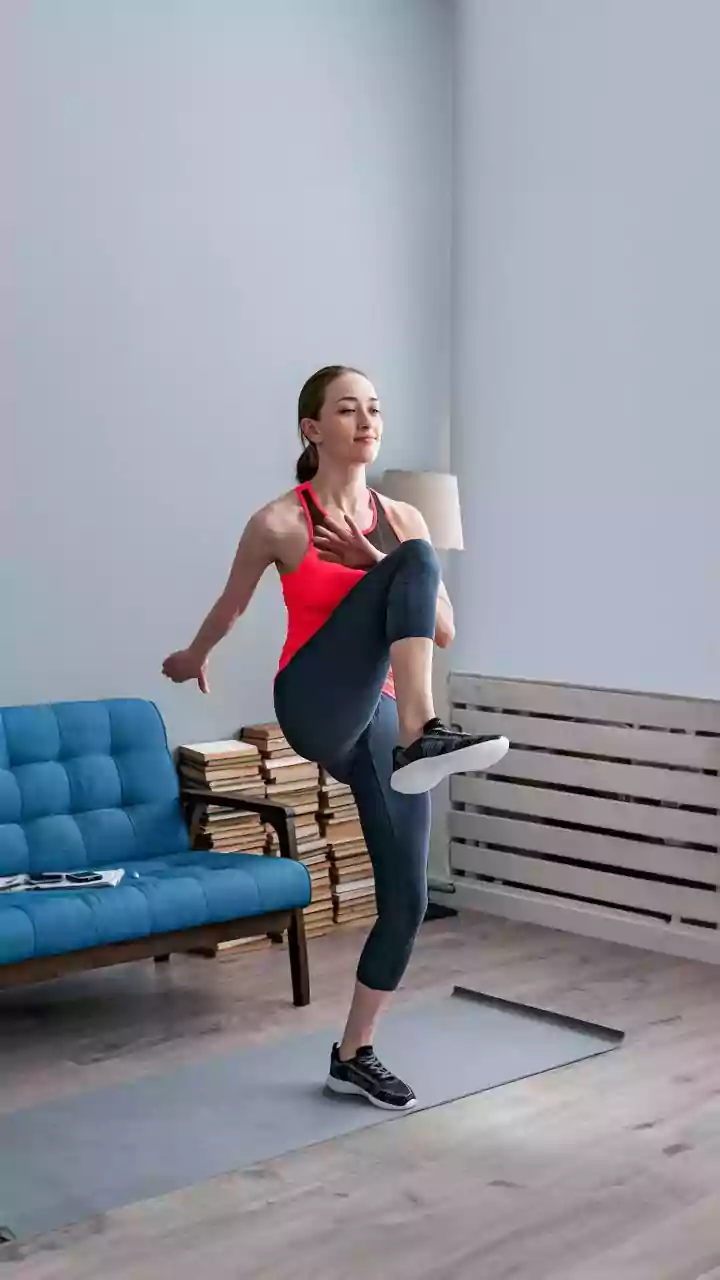
Your first few sessions are about learning movements, not lifting the heaviest weight possible. Many people make the mistake of going too hard, too soon, which increases the risk of injury and burnout. Instead, aim for consistency. A 20-minute session twice a week is far more valuable than one heroic, two-hour workout that leaves you too sore to move for days. The aim is to build a habit that sticks. Remember, you can get a great workout using just your body weight, resistance bands, or household items.
Focus on Foundational Movements
You don't need a dozen complicated exercises to get a good workout. In fact, most effective strength programs are built around a few core movements that work multiple muscle groups at once. This is more efficient and translates better to real-life strength, like carrying groceries or lifting a suitcase. For a beginner, focus on mastering these four types of movements: a squat, a push, a pull, and a hinge. You can do all of these at home with no equipment. For example: Squats (bodyweight), Push-ups (start against a wall or on your knees to make it easier), Rows (using a resistance band), and Planks (a core-stabilizing hinge). Learning the correct form for these basic exercises is crucial for preventing injury and building a solid foundation. Start with light weights or just your bodyweight until your technique improves.
Your Simple Starting Schedule
A common question is how often a beginner should train. To gain the maximum benefit, a beginner should aim to train two to three times per week. This frequency allows your muscles enough time to recover and grow stronger, which is a vital part of the process. A good starting point is to schedule non-consecutive days, such as Monday and Wednesday, or Tuesday and Thursday. A full-body workout is often recommended for beginners because it works all the major muscle groups in a single session. Aim for one to three sets of 10-15 repetitions for each exercise. The weight or resistance should be challenging enough that the last few reps feel difficult, but not so heavy that you compromise your form.
Listen to Your Body and Rest
One of the most important skills in strength training is learning to distinguish between the discomfort of a challenging workout and actual pain. Pushing through pain is a recipe for injury. If an exercise hurts, stop. You might need to adjust your form, reduce the weight, or choose a different exercise. Rest and recovery are just as important as the workout itself. Muscles aren't built during the workout; they're built during the rest periods in between. Aim for at least one full rest day each week and try to get 7-9 hours of quality sleep per night, as this is when your body does most of its repair work. Some muscle soreness, known as Delayed Onset Muscle Soreness (DOMS), is normal when you start a new routine, but it shouldn't be debilitating.
Track Progress Beyond the Weight
Feeling yourself getting stronger is incredibly motivating. But progress isn't just about lifting heavier weights. Other signs that your plan is working include being able to do more repetitions than before, feeling more energetic in your daily life, or noticing that an exercise that used to be hard now feels more manageable. Once you can easily complete your target number of reps and sets with good form, it's time to make things a little harder—a principle called progressive overload. You can do this by gradually increasing the weight, adding another set, or reducing your rest time between sets. This gentle, consistent increase in challenge is the key to long-term strength gains without the panic.