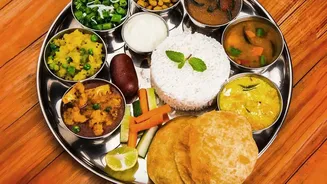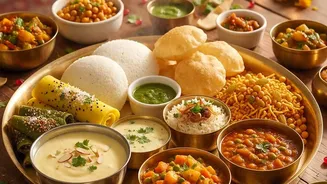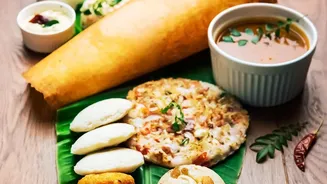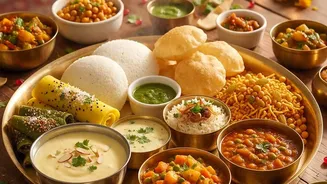

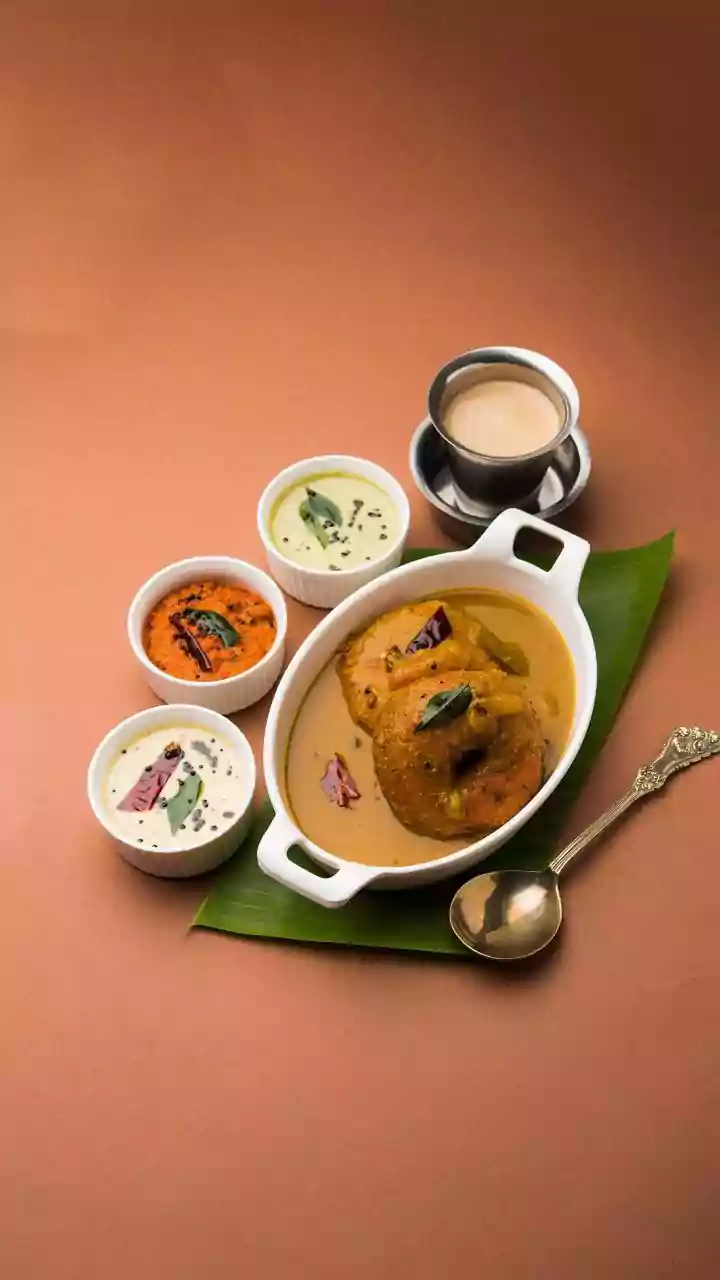

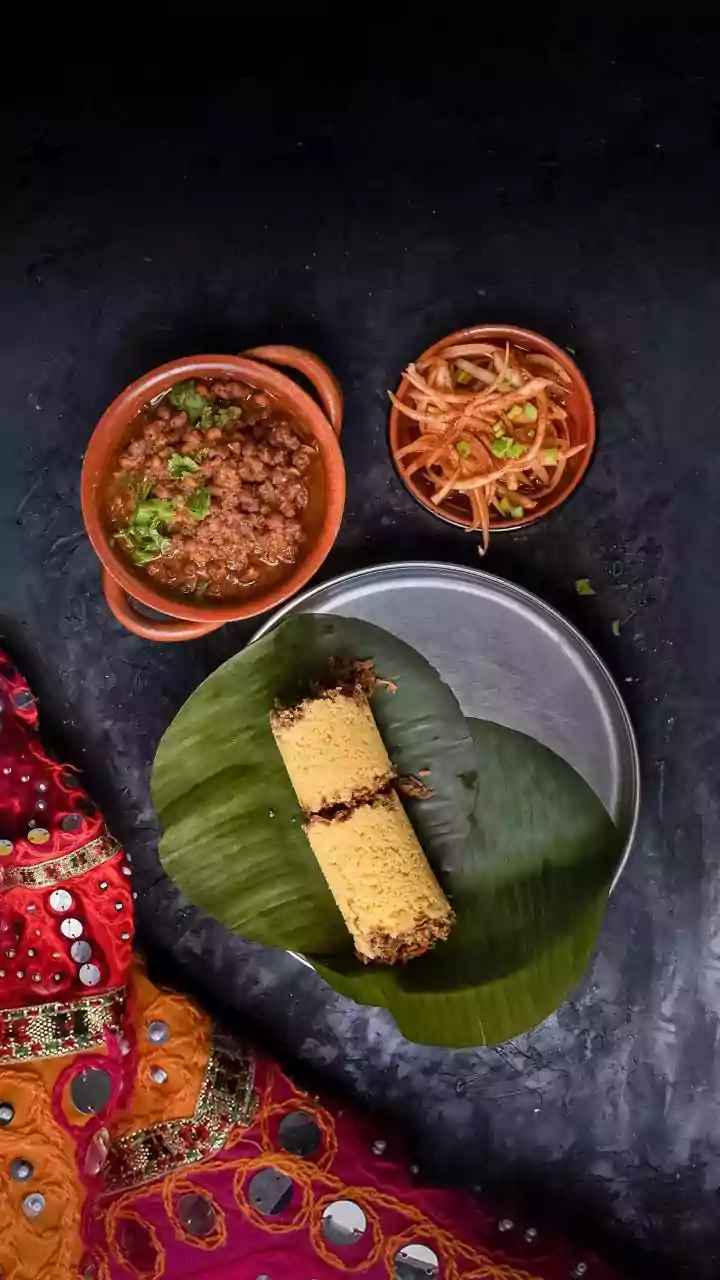


Craving fiery Naga pork, fragrant Donne biryani, or wholesome Litti Chokha? A few years ago, finding these regional gems outside their home states was a challenge. Today, they are just a tap away, thanks to the rise of cloud kitchens.
The Old Restaurant Gamble
For decades, opening
a restaurant dedicated to a lesser-known regional cuisine was a high-stakes gamble. Entrepreneurs faced steep costs for prime real estate, front-of-house staff, and extensive decor, all before a single customer walked in. The financial risk of launching a restaurant centred on, for example, Bihari or Assamese food in a major metro like Mumbai or Delhi was immense. Would enough people appreciate the specific flavours to keep the lights on? This uncertainty kept many unique culinary traditions confined to their native regions, leaving urban foodies with a standardised rotation of North Indian, South Indian, and Chinese fare.
Enter the Cloud Kitchen Model
Cloud kitchens, also known as ghost or dark kitchens, have fundamentally changed this equation. These are commercial cooking facilities built exclusively for delivery, with no dine-in space. By shedding the expenses of a physical storefront, seating areas, and customer-facing staff, the startup and operational costs are dramatically lower than a traditional restaurant. This lean, efficient model, which relies on food aggregators like Zomato and Swiggy for orders and delivery, provides a low-risk environment for culinary experimentation. The Indian cloud kitchen market, valued at over USD 1.3 billion in 2026, has become a fertile ground for food entrepreneurs.
A Perfect Recipe for Regional Food
The low-overhead model is a perfect match for chefs passionate about their local heritage. It allows them to test the market for niche dishes without the fear of financial ruin. A chef can launch a brand dedicated to Malvani seafood or Kathiyawadi thalis from a shared kitchen space, reaching thousands of potential customers digitally. This agility allows food entrepreneurs to focus on what matters most: authenticity and quality. Successful ventures like RNR Donne Biryani, which started in a small 200 sqft cloud kitchen, prove that a unique, well-executed regional dish can build a loyal following purely through delivery.
From Niche to Nationwide
This isn't just about individual kitchens; large cloud kitchen companies are also seeing the value in regional flavours. Major players like Rebel Foods and Curefoods operate multiple 'virtual brands' from a single kitchen, allowing them to offer diverse cuisines from one location. Some are now strategically acquiring popular local food brands and using their existing kitchen infrastructure to scale them across the country. This takes a beloved local dish and gives it a national platform, diversifying India's mainstream palate and introducing diners to a richer culinary tapestry. This expansion is increasingly reaching Tier-2 and Tier_3 cities, further spreading culinary diversity.
Challenges in the Crowded Cloud
Despite the opportunities, the path is not without obstacles. The market is intensely competitive, and standing out on crowded food delivery apps is a major challenge. High commissions, sometimes reaching 25–35%, charged by delivery platforms can severely squeeze profit margins, making it difficult for standalone kitchens to survive. Building brand loyalty without a physical space for customer interaction requires savvy digital marketing and, most importantly, consistent food quality. Many kitchens that fail often do so because of poor unit economics, expanding too quickly, or becoming overly dependent on aggregator–led discounts.