







Defining the Craft
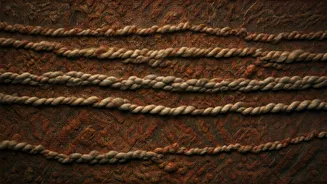
Nupe embroidery is a traditional textile art form originating from the Nupe people of Nigeria's North Central region. Centered in cities like Bida, this craft is known for its intricate hand-stitched designs, which adorn everything from ceremonial robes
to everyday wear. It is a practice deeply woven into the cultural fabric of the Nupe, who are renowned for their craftsmanship in various arts, including weaving, pottery, and leatherwork. The embroidery is not merely decorative; it's a visual language, expressing identity, status, and history through complex patterns and stitches.
A Rich History
The roots of Nupe embroidery are connected to the region's history as a major hub on trans-Saharan trade routes. The arrival of Islam around the 18th century and the subsequent influence of the Fulani-led Sokoto Caliphate in the 19th century introduced a new style of dress, including large, flowing robes suitable for horseback riding. These garments, known as 'Agbada' (Yoruba) or 'Riga' (Hausa and Nupe), became prestigious symbols of office for rulers and court officials. An elaborate trade network developed, with skilled Nupe weavers and embroiderers creating these sought-after robes for emirs and kings, solidifying their reputation as master artisans. Over time, these magnificent embroidered robes became treasured family heirlooms passed down through generations.
Signature Styles and Motifs
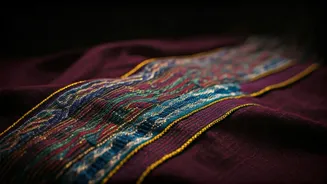
Nupe embroidery is immediately recognizable for its bold, often symmetrical geometric patterns. Traditional designs are steeped in cultural and symbolic meaning. One of the most famous patterns is the 'aska takwas' or "eight knives," which features eight blade-like shapes often combined with spirals and other geometric forms. This motif was believed to offer good fortune and even magical protection to the wearer. The spiral, another common element, can represent the spiritual path. These designs are typically executed using chain stitch and buttonhole stitches, meticulously applied to hand-woven cotton or silk fabrics, often dyed with indigo.
The Art of Creation
Creating a traditional Nupe embroidered garment is a labor-intensive process that showcases immense skill. It begins with the fabric, traditionally hand-woven from locally sourced cotton or wild silk. The base cloth is often made of narrow strips of fabric stitched together. The embroidery itself was historically done by men, though women are also known to practice the craft now. Using threads of cotton or silk in vibrant colors like red, blue, and green, artisans meticulously apply the stitches by hand. The density and complexity of the embroidery on a garment, like the grand Agbada robes, signifies the wealth and status of its owner.
Cultural Significance
Far more than simple decoration, Nupe embroidery is a cornerstone of cultural identity. The grand robes, or 'Riga', are worn by prominent men for important ceremonial occasions, including weddings, funerals, and festivals. They function as powerful statements of prestige, authority, and connection to tradition. In Nupe culture, where respect for elders and heritage is paramount, wearing these garments is a display of pride. The embroidery itself is seen as a way of strengthening the garment, not just physically but also symbolically, with certain patterns believed to hold protective qualities for the wearer.
Nupe Embroidery Today
While the tradition of painstaking hand embroidery for everyday wear has declined, Nupe artistry is finding new life. The craft is experiencing a revival, gaining attention on the global fashion scene. Designers are increasingly collaborating with Nupe artisans, blending traditional craftsmanship with contemporary styles to create unique collections. This renewed interest helps preserve the invaluable skills of the artisans while introducing their rich cultural heritage to a wider audience. Furthermore, the emphasis on handmade techniques and locally sourced materials aligns with the growing movement towards sustainable and ethical fashion.