





Embrace the Art of Layering
Layering is the single most effective strategy for multi-climate travel. Instead of packing bulky, single-use items, think in terms of a three-part system that you can adapt on the go. Start with a base layer of lightweight, moisture-wicking tops like
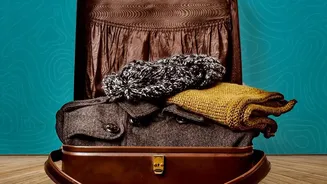
tanks or t-shirts. For your mid-layer, pack items like long-sleeved tops, a fleece jacket, or a cashmere sweater that provide warmth. Your outer layer should be a wind and waterproof jacket that can be worn over everything else in cold, rainy, or windy conditions. This system allows you to add or remove clothes as the temperature changes, ensuring you are comfortable whether you are on a sunny beach or a chilly mountain pass.
Choose Your Fabrics Wisely
The material of your clothes is just as important as the style. For humid, coastal weather, prioritise lightweight, breathable fabrics like cotton and linen that keep you cool. However, for your base and mid-layers, consider performance fabrics like merino wool or modern synthetics. Merino wool is a travel favourite because it regulates body temperature, wicks away moisture, and naturally resists odour, meaning you can wear it more and wash it less. Quick-drying synthetic fabrics are also excellent choices. Avoid bringing too much cotton for your cold-weather gear, as it loses its insulating properties when damp and takes a long time to dry.
Curate a Versatile Capsule Wardrobe
A capsule wardrobe is a small collection of essential items that can be easily mixed and matched. Stick to a neutral colour palette (like black, navy, grey, or beige) for your main items such as trousers, jackets, and shoes. Then, add pops of colour with a few tops, scarves, or accessories. A good rule of thumb for a week-long trip is the 5-4-3-2-1 method: five tops, four bottoms, three pairs of shoes, two accessories (like a scarf or belt), and one jacket. For instance, a pair of dark, comfortable trousers can be used for trekking during the day and dressed up for dinner in the evening. A large, colourful scarf can add warmth, serve as a beach cover-up, or be used to cover your head when visiting religious sites.
Rethink Your Outerwear
Your jacket is often the bulkiest item, so choose it carefully. Instead of a single heavy winter coat, opt for two key pieces: a packable puffer or down jacket for warmth and a thin, waterproof rain shell. The puffer jacket provides excellent insulation but can be compressed into a small bag when not in use. The rain shell protects you from wind and unexpected showers. On extremely cold days, you can wear both together for maximum protection. Always wear your bulkiest jacket on the plane to save precious luggage space.
Strategise Your Footwear
Shoes take up significant space, so limit yourself to a maximum of three pairs. First, a comfortable pair of walking shoes or trail-ready sneakers that can handle city streets and light hikes. Second, a pair of sandals or floaters for the coast and casual wear. Finally, a slightly more formal pair, like loafers or ballet flats, that can be worn for evenings out. If you need heavier trekking boots for serious mountain trails, wear them during your flights to free up space and weight in your checked bag.
Master Space-Saving Packing Techniques
How you pack is as important as what you pack. Rolling your clothes instead of folding them is a classic technique that saves space and can help reduce wrinkles in casual fabrics. For organising your bag, packing cubes are a game-changer. You can use different cubes to separate your warm-weather and cold-weather clothes, making it easy to find what you need without unpacking everything. Another trick is to utilise every inch of space by stuffing smaller items like socks and underwear inside your shoes.