







Understanding Gym Burnout
You start strong. The motivation is high, the playlist is perfect, and you're hitting the gym consistently. But after a few months, the enthusiasm wanes. Your muscles feel perpetually sore, progress stalls, and the thought of another set of squats fills
you with dread. This is gym burnout. It’s a state of physical and mental exhaustion caused by excessive, monotonous training without adequate recovery. It’s your body and mind signalling that your current approach isn’t sustainable. For many, the answer seems to be pushing harder, but often, the solution is to pivot and work smarter. Instead of just chasing heavier weights or faster times, we need to build a more resilient foundation.
Flexibility vs. Mobility: What’s the Difference?
The terms are often used interchangeably, but they describe two different, yet related, concepts. Understanding the distinction is key to unlocking their benefits.
Flexibility is the ability of your muscles to lengthen passively. Think of the classic 'touch your toes' stretch. It's about the range of motion in a muscle or group of muscles. While important, being extremely flexible doesn't necessarily mean you can move well.
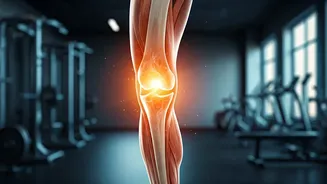
Mobility, on the other hand, is about your joints. It’s your ability to actively move a joint through its full, intended range of motion with control and stability. It combines flexibility with strength. A mobile shoulder, for instance, allows you to reach overhead smoothly and without pain, not just because the muscles are pliable, but because the joint is stable and strong throughout the movement. Mobility is functional; it’s flexibility in action.
Why This Shift Fights Burnout
Switching your focus from purely high-intensity workouts to incorporating mobility and flexibility work offers profound benefits that directly counteract burnout. Firstly, it reduces the risk of injury. Many gym injuries stem from poor movement patterns and loading unstable joints. By improving your mobility, you build a more robust 'chassis' for your body, allowing you to lift and move with better form. Secondly, it actively aids recovery. Gentle mobility flows and stretching increase blood flow to your muscles, helping to flush out metabolic waste and reduce soreness. Instead of feeling broken down after every session, you feel refreshed and restored. Finally, it breaks the monotony. Introducing new movement patterns, like deep squats or spinal rotations, challenges your body and mind in a novel way, making fitness feel less like a chore and more like a practice of self-care.
Three Simple Moves to Start Today
You don’t need any special equipment to begin. You can do these simple movements at home, as a warm-up, or on your recovery days.
1. Cat-Cow: Start on all fours with your wrists under your shoulders and knees under your hips. As you inhale, drop your belly, lift your chest, and look forward (Cow). As you exhale, round your spine toward the ceiling, tucking your chin to your chest (Cat). This is fantastic for spinal mobility and relieving back tension.
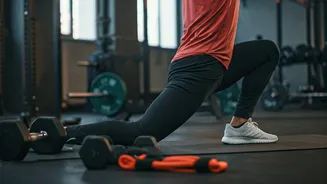
2. World's Greatest Stretch: From a plank position, step your right foot outside your right hand. Keep your back leg straight and engaged. Lower your hips and feel the stretch in your left hip flexor. For an added twist, lift your right hand toward the ceiling, following it with your gaze. This single move targets hip, thoracic spine, and hamstring mobility.
3. 90/90 Hip Rotations: Sit on the floor with both knees bent at 90 degrees. Your front shin should be parallel to your body, and your back shin perpendicular. Without using your hands, try to lean forward over your front shin, then rotate your torso and hips to switch to the other side. This is a powerful exercise for improving internal and external hip rotation, crucial for healthy knees and a strong lower back.
Integrating Mobility into Your Routine
This isn't about abandoning your strength or cardio goals. It's about integration. Start by dedicating 10-15 minutes before every workout to a dynamic mobility warm-up. Use your rest days not for complete inactivity, but for a longer, 20-30 minute flexibility and mobility session. You can even 'sprinkle' mobility work throughout your day. Do a few Cat-Cows after a long meeting or practice deep squats while waiting for your chai to brew. By making these small, consistent deposits into your 'movement bank', you'll find that your main workouts become more effective, more enjoyable, and far more sustainable.