


More Than Just a Condiment
Often relegated to the side of the plate, the chutney is one of Indian cuisine’s unsung heroes. Its origins are ancient, with mentions in Ayurvedic texts dating back thousands of years where herb and spice pastes were used as digestive aids. Tamarind
was used to cool the body, while ginger blends provided warmth. The arrival of the Mughals introduced new ingredients like dried fruits and nuts, transforming these medicinal pastes into more complex, flavourful creations. Today, chutneys serve a vital role in balancing a meal, adding sweet, sour, spicy, or tangy notes that cut through richness and enhance flavour. From fresh, raw preparations to cooked jams and dry powders, their forms are as varied as the subcontinent itself.
A Taste of the Mountains
In the Himalayan regions of Uttarakhand and Himachal Pradesh, chutneys are a reflection of the rugged terrain and cold climate. They rely on foraged ingredients and local seeds. One of the most unique is bhaang ki chutney, made from roasted hemp seeds, which impart a nutty flavour. Another is the Chamba Chukh from Himachal, a fiery relish made from sun-dried red chillies and local citrus. In Kashmir, chutneys feature the region's bountiful produce, with walnuts (doon chetin), apples, and sour cherries being common bases, providing a sweet and earthy counterpoint to rich meat dishes. These preparations are pungent, warming, and deeply connected to the local landscape.
Echoes from the Coasts and Plains
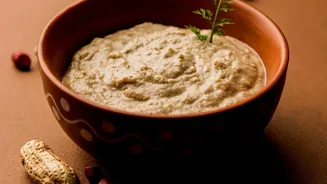
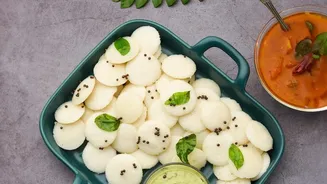
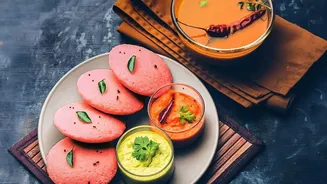
Travel south and west, and the chutney profile changes dramatically. Along the coasts of Tamil Nadu, Kerala, and Karnataka, fresh coconut is king. The classic white coconut chutney, tempered with mustard seeds and curry leaves, is the ubiquitous partner to idli and dosa. Peanuts, lentils, and tomatoes also feature prominently, often ground into coarse pastes that are both creamy and spicy. In Maharashtra, a dry garlic chutney known as thecha is a fiery staple, pounded with green chillies, while dry powders made from peanuts or flaxseed are sprinkled over meals for added texture and protein.
Stories from the East
Eastern India offers its own distinct chutney traditions. In Bengal, chutneys are often sweet and tangy, served at the end of a meal as a palate cleanser before dessert. Varieties like aam-er chaatni (mango chutney) and tetul-er chaatni (tamarind chutney with dates) are cooked down into a jam-like consistency. Further east, in Nagaland, you'll find akhuni, or axone, a pungent chutney made from fermented soybeans. With a strong, unique aroma, it’s a beloved staple in Naga cuisine, often paired with smoked meats and rice, showcasing a tradition of preservation and bold flavours.
The Forager's Ultimate Find
Perhaps no chutney tells a story of its environment more vividly than Kai Chutney from Odisha and Chhattisgarh. Made from red weaver ants and their eggs, this condiment recently earned a Geographical Indication (GI) tag. Tribal communities have consumed this fiery and tangy paste for centuries as a vital source of protein and for its medicinal properties, believed to help with coughs and colds. The ants, which have a naturally sour taste due to formic acid, are ground with ginger, garlic, and chillies. Kai Chutney is a powerful example of how chutneys can represent a deep-rooted connection between a community and its ecosystem, turning foraged ingredients into a celebrated delicacy.